Europe's Thermal Spas: Healing Waters Without Hype
Europe's finest thermal spas and hot springs: From Iceland's Blue Lagoon to Hungary's elegant thermal baths to Italy's natural pools. Your guide to the best wellness destinations.
TravelFeelings Editorial Team
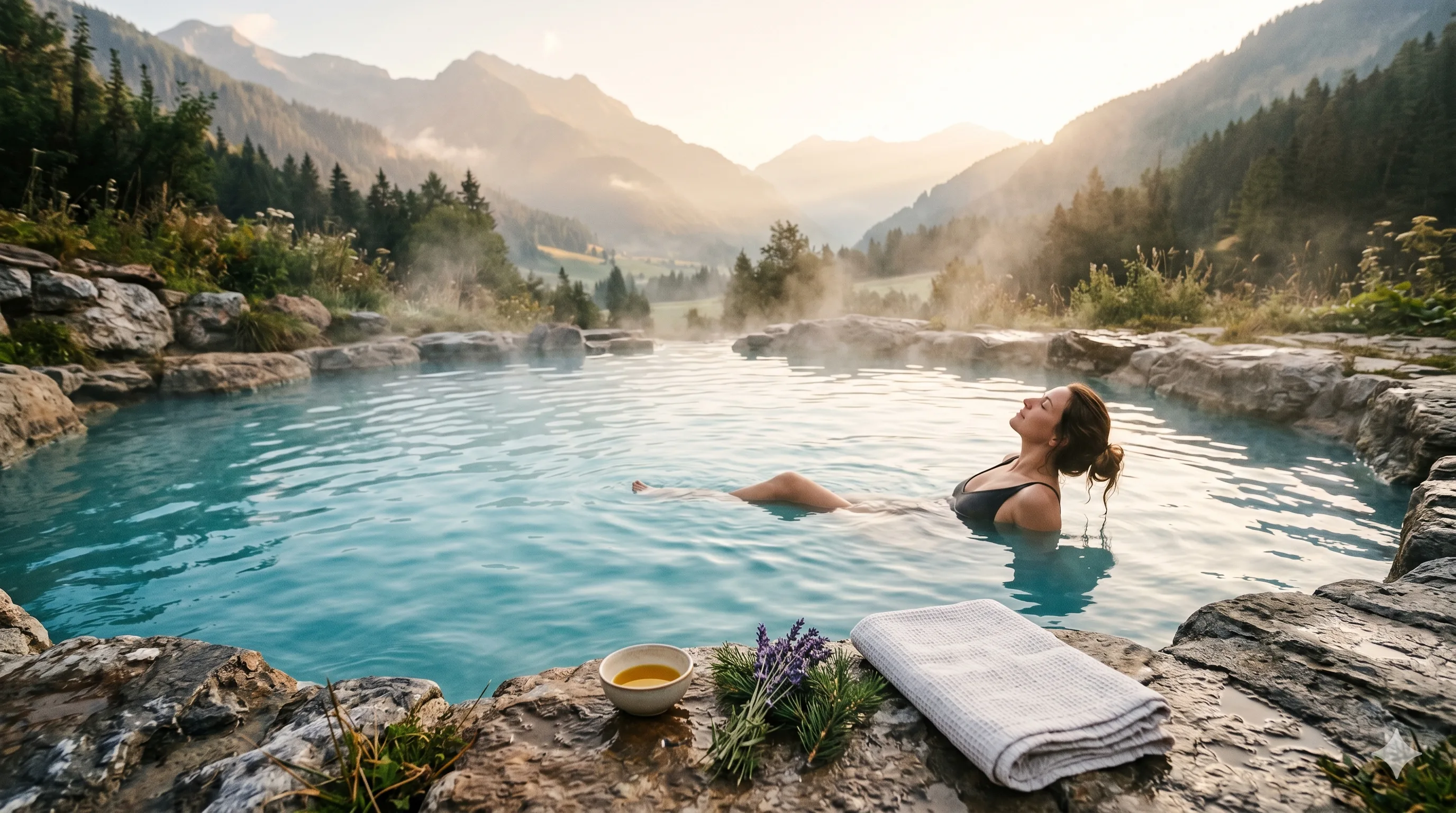
Thermal spas represent some of Europe’s most timeless wellness experiences. Whether in Iceland’s dramatic lava fields, Hungary’s grand bathing complexes, or Italy’s natural thermal pools—they offer rest, healing, and a slice of luxury in everyday life. These places are far more than mere bathing facilities: they are cultural institutions, healing sources, and windows into geological phenomena that have fascinated humanity for thousands of years.
Global wellness tourism is experiencing explosive growth. Industry projections indicate wellness travel will reach approximately $1.2 trillion by 2025, with annual growth rates of up to 18% in the thermal spa segment. Europe leads the world—thanks to its geological diversity and well-established spa cultures.
1. Blue Lagoon, Iceland
Iceland’s most famous geothermal spa sits on the Reykjanes Peninsula, approximately 20 minutes from Keflavik Airport. The milky-blue waters result from silica deposits and maintain consistent temperatures between 37 and 39 degrees Celsius (99–102°F). The remarkable aspect: an active geothermal power plant continuously renews the water supply.
The mineral-rich composition—abundant in silica and sulfur—proves particularly effective for skin conditions like psoriasis. Visitors report noticeably improved skin after just a few days of bathing. The facility operates year-round and attracts over 500,000 visitors annually. Day tickets range from approximately $54–86 USD (ca. 7.200–11.500 ISK), depending on season.
2. Széchenyi Thermal Bath, Budapest
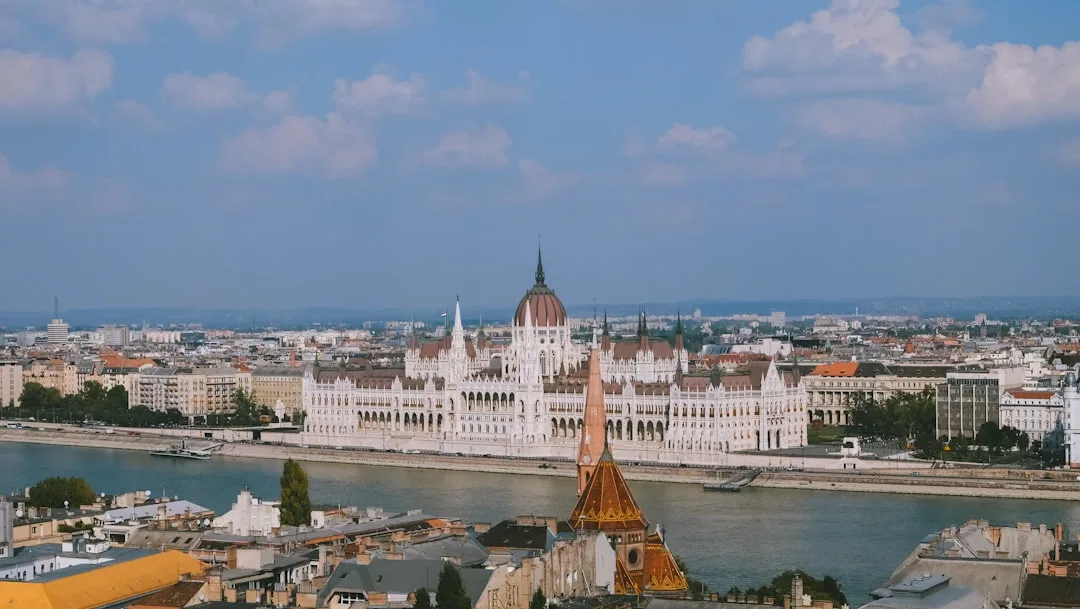
Over 120 thermal springs flow beneath Budapest. The Széchenyi Thermal Bath in City Park combines everyday bathing with grand architecture. This Neo-Baroque palace, built in 1913, contains 18 pools—15 indoors and three expansive outdoor pools.
The iconic image: steaming outdoor pools where locals play chess while snow falls around them. Water temperatures range from comfortable 25 to intense 40 degrees Celsius (77–104°F). A day ticket costs approximately $21 USD (ca. 7.100 HUF). The bath operates daily from 6 a.m. to 10 p.m. and ranks as Europe’s largest thermal complex.
3. Hévíz Lake, Hungary
The world’s largest biologically active thermal lake lies approximately 200 kilometers west of Budapest. Spanning roughly 47,500 square meters with temperatures between 26 and 34 degrees Celsius (79–93°F), the lake offers a unique experience: year-round bathing surrounded by water lilies and forest.
The water undergoes daily renewal by approximately 40 million liters through natural mineral springs—a self-filtering system. High mineral content and warm humid air support healing processes for rheumatism, arthritis, and stress-related conditions. Day admission costs approximately $19 USD (ca. 6.400 HUF).
4. Terme di Saturnia, Tuscany, Italy
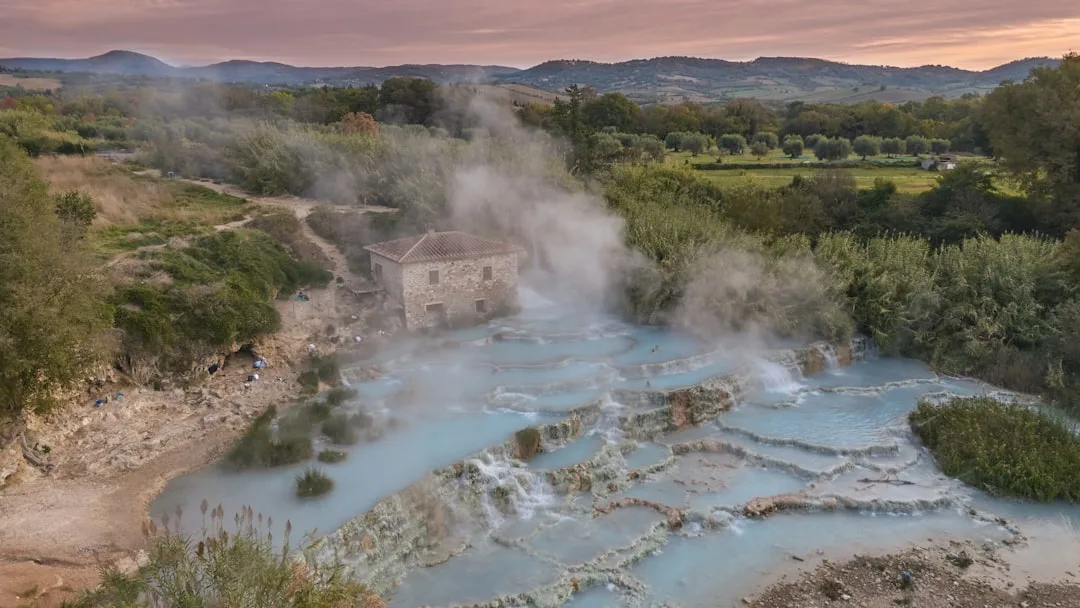
Terme di Saturnia sits in southern Tuscany, away from the main tourist routes. Volcanic mineral water emerges at constant 37.5 degrees Celsius (99.5°F)—nature’s heating system. The resort’s main pool receives complete renewal every four hours from a new volcanic spring.
The setting proves equally remarkable: green hills, medieval villages, vineyards. The water contains sulfur dioxide, therapeutically effective for skin conditions. Day admission costs approximately $32 USD (approx. €30). In the surrounding area, free natural thermal springs offer a budget traveler’s secret.
5. Caldea, Andorra
Caldea’s superlative is spectacular: with over 6,000 square meters of thermal water surface, it represents Europe’s largest spa complex. Set in the heart of the Pyrenees, Caldea combines modern architecture with wellness. The design recalls mountainous landscapes and glass halls with expansive views.
The facility features 27 different pools with temperatures ranging from 18 to 38 degrees Celsius (64–100°F), plus saunas, steam baths, and relaxation areas. Overnight packages start at approximately $86 USD (approx. €80) per person nightly, including entry. Caldea operates daily and suits multi-day wellness retreats.
6. Pamukkale, Turkey
The “Cotton Castle” represents one of Earth’s most spectacular natural phenomena. Limestone-rich thermal springs form white travertine terraces cascading down a mountainside—resembling frozen waterfalls. This UNESCO World Heritage site attracts approximately 2 million visitors annually.
The pools maintain temperatures between 35 and 100 degrees Celsius (95–212°F). The water abounds with calcium, magnesium, and other minerals. Swimmers can bathe directly in the historic “limestone pools”—an experience balancing wellness and archaeology. Entry costs approximately $27 USD (ca. 400 TRY). Best visiting season: April through October.
7. Leukerbad Therme, Switzerland
The Alps’ largest thermal facility sits at 1,411 meters elevation in Swiss mountain terrain. Leukerbad draws from 65 natural springs and maintains 30 different pools and basins. The architecture blends Alpine elegance with contemporary wellness.
Water temperatures: 28 to 43 degrees Celsius (82–109°F). Saunas offer panoramic views of snow-capped peaks. Day admission costs approximately $48 USD (ca. 41 CHF). The resort suits multi-day stays with overnight accommodations starting at approximately $129 USD (ca. 110 CHF) nightly. Specialty: The village of Leukerbad is car-free—all transportation uses electric power.
8. Rudas Bath, Budapest
While Széchenyi represents modernity and scale, Rudas Bath embodies history. Built by Ottoman Sultan Suleiman the Magnificent over 500 years ago, the facility still features the original octagonal pool beneath a ten-meter-diameter dome.
The water originates from Budapest’s same 120 thermal springs and carries identical healing properties. The octagonal pool itself maintains 42 degrees Celsius (108°F). A Rudas visit journeys through 500 years of architecture. Admission: approximately $19 USD (ca. 6.400 HUF).
9. Caldey Island Spa, Wales
Welsh Caldey Island remains less celebrated and unusual: a Benedictine monastery meets modern wellness. The island off Tenby’s coast offers traditional thermal baths in a timeless, meditation-friendly setting.
The baths utilize local mineral springs and sit surrounded by monastic livestock and fields. The spa remains intimate—maximum 20 guests per session. A visit blends spiritual experience with physical relaxation. Cost: approximately $38 USD (ca. 30 GBP) for 90 minutes.
10. Uniejów Thermal Bath, Poland
Poland’s largest spa facility offers 20 different pools with selenium-rich geothermal waters. The exceptional location: directly beside a medieval castle. Visitors can wander medieval ramparts in the morning and soak in 38-degree water by afternoon.
Water undergoes complete renewal every 45 minutes. Selenium possesses anti-inflammatory properties and supports modern therapies for rheumatic conditions. Day admission costs approximately $13 USD (ca. 48 PLN). Multi-day passes and hotel packages begin at approximately $54 USD (ca. 200 PLN).
Why Thermal Spas Are Wellness
Thermal spas function on multiple levels. Heat itself relaxes muscles and promotes circulation. Minerals—sulfur, silica, selenium, calcium—act specifically on various conditions. Yet rituals matter equally: conscious immersion, relaxation’s deliberate pace, daily-life escape.
Across Europe, numerous cultures have integrated thermal baths into wellness traditions. Hungarian locals use their baths daily. Icelanders view the Blue Lagoon as essential recovery, like fitness studios elsewhere. Swiss and Italians understand thermal baths as cultural institutions.
Best Visiting Season
Most thermal spas operate year-round. Iceland’s Blue Lagoon and Hungary’s Széchenyi prove particularly striking in winter—the contrast between steaming water and falling snow is indescribable. Pamukkale and Terme di Saturnia benefit from spring and autumn when temperatures remain pleasant. Swiss and Alpine facilities peak in summer popularity.
High season runs June through August, with proportionally higher prices. Budget-conscious travelers: April–May or September–October offer comparable experiences with fewer crowds.
Tips for Your Thermal Holiday
Preparation: Research water temperatures beforehand and bring waterproof sunscreen. UV rays reflect even in cooler baths.
Hydration: Heat causes fluid loss. Water and electrolyte beverages should accompany you throughout.
Timing: Plan extended sessions—two to three hours. Brief visits cannot fully access mineral benefits.
Local customs: Learn facility rules. Some European baths feature nude bathing; others require swimwear.
Combination: Many thermal spas occupy beautiful regions. Use time for hiking or cultural exploration—wellness extends beyond water.
Recovery: If you combine several spas in one trip, build in recovery days. Hours of bathing at 38 to 42 degrees over several days tax your circulation more than expected—especially at altitude, as in Leukerbad or Caldea.