List
Bakeries & Coffeehouse Culture: 7 Places Worldwide
From Viennese coffeehouse to Bangkok specialty coffee – seven places where desserts and beverages are cultural continuity, not consumption.
TravelFeelings Editorial Team8 min.
Regional cuisines, street food and wine regions – food as a primary travel motive, not an afterthought.
Food is the most immediate form of cultural access. A morning at a covered market, lunch at a no-menu trattoria, an afternoon at a small winery that does not appear in any guidebook – these experiences reveal a place in ways that monuments and museums often cannot.
Regional cuisines follow their own logic: ingredients, preparation methods, and meal times are not interchangeable. What began as peasant food in one region has become a delicacy elsewhere – and the reverse is equally common.
From Viennese coffeehouse to Bangkok specialty coffee – seven places where desserts and beverages are cultural continuity, not consumption.
From Marrakech to Bangkok – the culinary heartlands of the world where craft, continuity, and authentic food culture reveal themselves.
Cooking classes with local housewives and professional chefs transform travel into authentic cultural experiences. Discover the best destinations and why these courses are the ultimate travel souvenir.
France, Italy, Japan, and Thailand. Four destinations, four culinary philosophies. A report on continuity, craft, and the truth that food reveals about a place.
A practical guide for travelers who want to dine at Michelin star restaurants — from early bookings through etiquette to affordable alternatives.
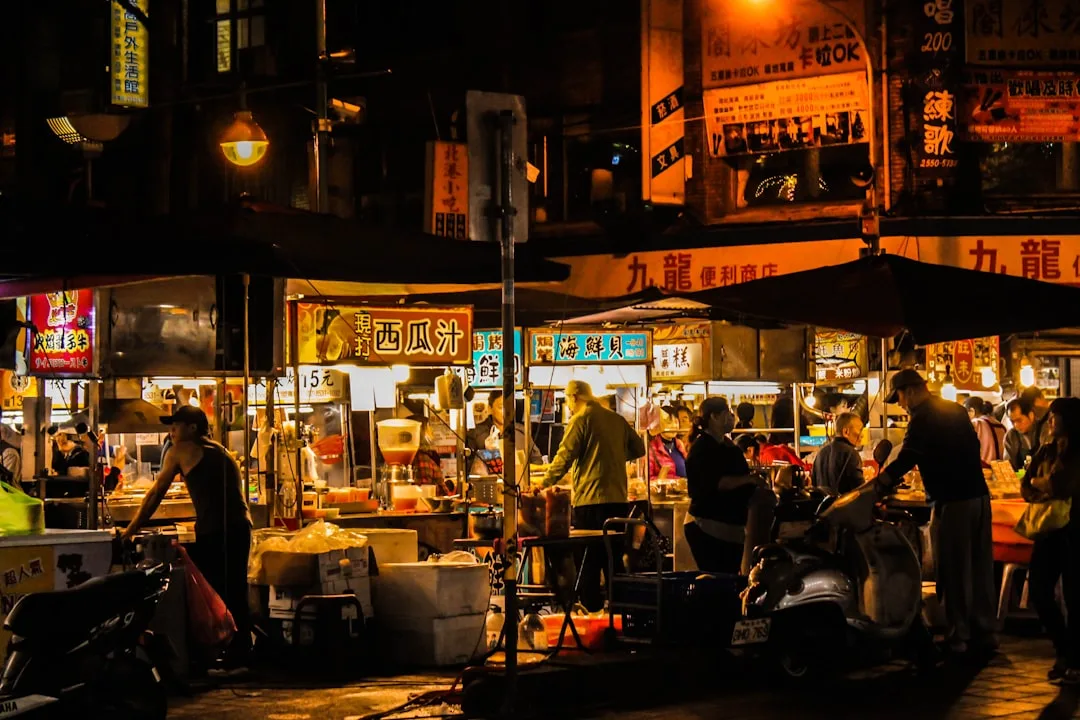
To truly understand a city, spend time in its markets. Street-food cultures reveal urban history, local identity, and social structures in immediate ways.
In wine regions, visits to small producers without a tasting-room programme often yield more than scheduled tours. Many smaller wineries welcome visitors without an appointment, and the conversation tends to be more informative than any guided tasting.