Cooking Classes on Vacation: Learning from Local Chefs
Cooking classes with local housewives and professional chefs transform travel into authentic cultural experiences. Discover the best destinations and why these courses are the ultimate travel souvenir.
TravelFeelings Editorial Team
Why Cooking Classes Are the Best Thing You Can Do on Vacation
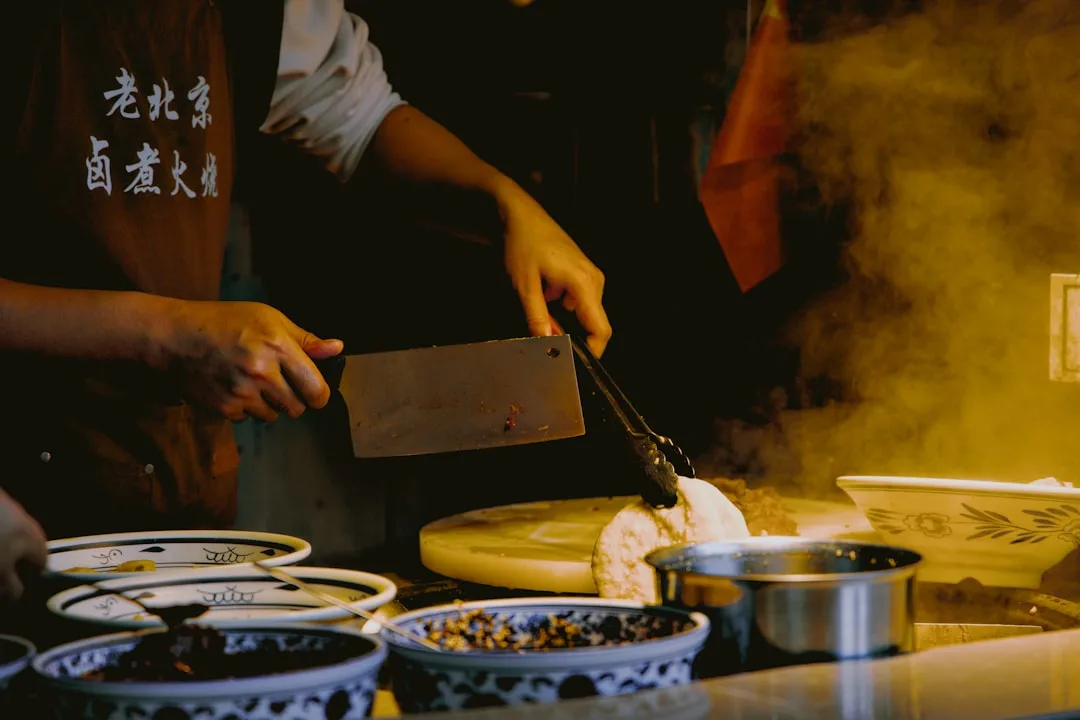
The deepest travel memories rarely come from checking off monuments and museums. They form when you’re standing in a warm kitchen with a local chef, the aroma of fresh herbs and indigenous spices filling the air, learning how to prepare a dish that’s been passed down through generations in a single family. A cooking class on vacation is cultural immersion at its truest.
Most tourists visit museums, photograph iconic landmarks, and eat in tourist restaurants. But when you sit in a private kitchen or in a small class with a dozen curious souls, learning from someone who’s been cooking for years or decades, something different happens. You get access to real knowledge, to the stories behind every dish, to techniques no textbook teaches. This is central to authentic culinary travel that goes beyond tourist meals.
A cooking class becomes a travel souvenir you bring home: lasting knowledge you’ll use again and again, and it never gathers dust the way a souvenir on a shelf does. Every time you prepare the dish you learned, you’ll remember the person who taught it, the place where you learned it, and the people you met.
The Best Time to Book a Cooking Course
The world’s favorite cooking class destinations have different peak seasons. Thailand and Southeast Asia offer ideal weather from November through March, while Mediterranean Europe shines in spring (April–May) and autumn (September–October).
Most programs last between 3 and 12 nights, with 5 to 6 days being the standard duration — enough time to build real confidence in the kitchen. Shorter classes of 3 to 4 hours are available if your vacation is limited, but they only scratch the surface compared to a full multi-day program.
If you have flexibility in timing, avoid the absolute high season when classes fill up and personal attention diminishes. Shoulder seasons offer the best balance between pleasant weather and smaller groups.
Five of the Best Destinations for Authentic Cooking Classes
1. Thailand: The Balance of Flavors
Bangkok and Chiang Mai are teaching hubs, but the best classes often happen beyond the big cities. The Samui Institute of Thai Culinary Arts on Koh Samui teaches the balance between hot, sweet, sour, and salty — principles that have anchored Thai cuisine for centuries.
A typical class begins with a market visit, where an experienced local chef shows you how to distinguish ripe Thai chilies from unripe ones, why certain varieties command premium prices at certain times of year, and how to select the freshest ingredients. Back in the kitchen, you start with mortar and pestle — no food processor, no modern shortcuts. These manual techniques genuinely shape the flavor profile.
Prices: starting from $54 (approx. 900 THB) for single half-day classes to $3,620 (approx. 57,600 THB) for multi-day intensive programs (as of June 2026).
2. Sicily, Italy: Generations of Knowledge
There’s something special about the moment an Italian grandmother lets a stranger into her kitchen. In Sicily, programs can connect you with a local family who’ll show you how pasta is hand-rolled, how pesto is traditionally pounded in a mortar, and how regional variations change everything.
The same operator runs an equivalent week in Sicily ($7,070) or, alternatively, in Greece (around $3,640), combined with market tours, winery visits, and shared meals with other guests. Connecting with fellow travelers over meals enhances the experience beyond the cooking itself.
3. Vietnam: The Art of Balance
Hanoi and Hoi An are centers for Vietnamese cooking classes. A local chef shows you how to roll spring rolls (a technique that’s harder than it looks), how to balance a perfect pho broth, and how regional differences across the country shape what appears on the plate.
Vietnamese markets are sensory explosions — vivid colors, intense aromas, vendors negotiating. A cooking class always includes a market portion, where you learn not just what to buy, but what’s best today, what’s in season, and why. This mirrors the experience of street food and authentic local markets, only with deeper learning focus.
Programs cost roughly $54 (approx. 900,000 VND) to $2,800 (approx. 45 million VND) for multi-day tours.
4. Argentina: The Passion of Asado
Near Buenos Aires, estancias (traditional Argentine ranches) offer asado cooking classes where you learn grilling mastery. A course teaches fire management, meat selection, and timing — equal parts science and art.
The experience is often informal, with gauchos sharing their craft and entire families coming together to grill what you’ve prepared. The informality makes it feel genuinely unscripted.
5. Turkey: Craftsmanship in Istanbul
Cooking Alaturka in Istanbul teaches traditional Turkish dishes in a modern cooking school, but with a focus on craft and history. A class might include Imam Bayildi (stuffed eggplant), a dish with a story about an imam who fainted with joy.
The atmosphere combines small groups (typically 8–10 people), a local chef, and usually a visit to a local market. After class, you eat what you’ve made together.
What You Actually Learn
A cooking class is more than recipes. You learn techniques that are local and often generations old. A Thai chef shows you how to work with mortar and pestle because it releases flavors in ways that modern blenders can’t achieve. An Italian grandmother shows you how to knead pasta — pressure points, moisture levels, texture.
You also learn the stories. Why does this family use this particular brand of fish sauce? Which spices came to the region through which trade routes? Which techniques are tied to specific holidays or seasons?
This knowledge layer becomes part of your muscle memory. Your hands remember. And your palate gets trained to recognize genuine quality.
Friendships Form Around the Table
Many cooking classes are designed in small groups — typically 8 to 12 participants. This means you’re working alongside strangers who might quickly become friends. These informal moments — where you show someone a mixing technique or they teach you a shortcut — often matter more than formal instruction.
Most cooking classes include communal meals. You eat together what you’ve just learned to prepare. The shared table turns into conversation, story exchange, and the beginning of friendships that often outlast the trip itself.
Solo travelers frequently report that a cooking class is their favorite way to meet people. You’re meeting people who love food — a natural starting point for connection. This is especially true for city breaks to cultural hubs, where cooking classes often anchor broader cultural experiences.
How to Choose Your Class
Consider whether you want a private experience (usually pricier, often in a family home) or a small group setting. Think about whether you want just a half-day class or whether you’re ready to commit to a multi-day or week-long program.
Websites like Traveling Spoon, The International Kitchen, and Tripaneer help you filter through hundreds of options. Look for authentic reviews. Ensure the class includes a market component — that’s usually more valuable than classroom-only instruction.
Also consider group size. A class with twenty people is different from one with six. Smaller is often better for genuine learning.
Practical Considerations
Most cooking classes require no prior experience. You don’t need to be a skilled cook to start. In fact, many instructors say beginners often learn better because they have fewer preconceptions.
Physical demands are usually low. You’ll spend hours on your feet in the kitchen, but it’s not athletically strenuous.
Some programs offer vegetarian or special dietary options — ask beforehand. However, authentic local classes sometimes aren’t as flexible. If your diet is restricted, be clear in your advance booking.
Language barriers may exist, but most programs arrange translation, or the chef speaks enough English that you understand what’s happening.
Prices range from about $54 for a half-day class to $7,070 for a week including accommodation, meals, and excursions. Most multi-day programs fall between $2,500 and $4,560 per person. Those seeking premium experiences view these as luxury travel that combines craftsmanship with authentic cultural exchange.
The Experience That Stays With You
Two years later, you might not remember every skill a class taught you. But you’ll remember the feeling. The smell of chilies in that Thai kitchen. The sound of the pan. The faces of the people around you. The laughter while eating what you’d prepared together.
And that memory will come alive every time you try to recreate the dish at home. The class becomes a connection between you, a place, and the people who live there.
That’s what makes a cooking class a long-term investment in happiness.