Authentic Food Tours in Europe's Culinary Centers
A handbook for authentic culinary food tours in Europe's gastronomic centers – from Roman suppli to Naples' street food culture.
TravelFeelings Editorial Team
Why Food Tours Matter Beyond Simple Eating
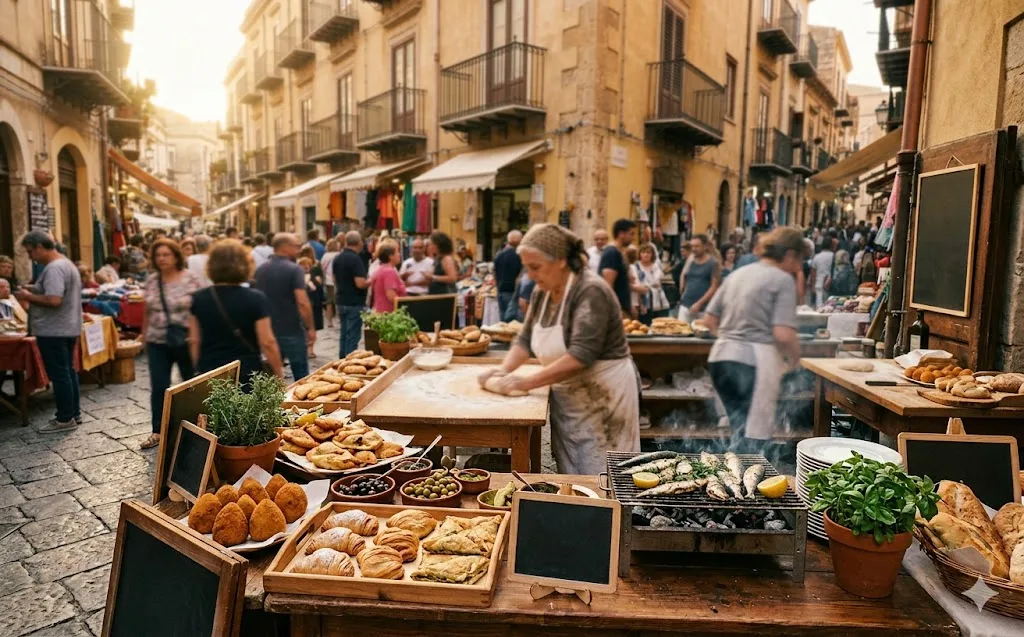
The first time you step into a market in Naples — the Ballarò or Vucciria covered market in the heart of the city — you understand that food here is not merely sustenance. It is continuity. In every alley where vendors have filled their arancini for generations, where the fishmonger holds the same stall his father held, history, local identity, and craft converge. This is food culture in its working, necessary form.
Food tours are not tourist adventures in the conventional sense. They are a methodical approach to understanding a region through its ingredients, its markets, and the hands that prepare food. The distinction between superficial “street food hopping” and genuine culinary travel lies in inquiry. You do not simply eat; you ask why — why this ingredient grows here, why this preparation method has survived three centuries, what continuity means in a place where tradition is not nostalgia but living practice.
Rome: Trastevere and the Logic of Working Kitchens
Rome is not only temples and palaces. Rome is also the working-class Trastevere, where family-run trattorias occupy the same squares where people have always gathered to eat.
A genuine Trastevere food tour does not begin at the grand restaurants. It begins at the suppli stalls — those fried rice balls called suppli al ragù or suppli al telefono, named for the mozzarella that stretches like telephone wires. The craft is evident in the ritual: rice is cooked, mixed with ragù while still warm, filled, and then breaded and fried. When the vendor slides the suppli into hot oil, the color tells you whether he has maintained the same temperature for forty years or whether something has shifted. This is continuity, not recipe.
The Rioni Market at Campo di Fiori is best visited early, before tourists arrive. Vegetable vendors have occupied the same stalls for decades. Cheese stands display Pecorino Romano from Latium. The Mercato di Testaccio is a living market, not a stage set — fish from the Tyrrhenian Sea and meat for Coda alla Vaccinara (braised oxtail). For workers’ pizza, go to Pizzeria ai Marmi in Testaccio: buffalo mozzarella from Campania, tomato, salt. Eaten standing, two euros.
The best time to visit is April through June or September through November. July and August are crowded and hot. Keep groups to no more than 8–10 people — larger groups filter out the connection you need with market vendors.
Naples: Europe’s Street Food Capital
Naples is loud, chaotic, obsessive about food — that’s its strength. Naples is loud, chaotic, and obsessive about food. That is its strength.
Pizza fritta exemplifies this perfectly: dough folded and fried instead of baked — invented because in narrow neighborhoods, a traditional oven consumed space that was needed elsewhere. Today, pizza fritta is no less valid than Pizza Margherita. It simply demonstrates how necessity breeds craft.
The covered markets — Ballarò and Vucciria are the most vital — have maintained their ecology for generations. Arancini are filled and fried at the counter. Panelle (chickpea fritters) are baked in hot oil. Scagliozze (fried polenta) smell of salt and seaweed.
Visit Ballarò Market early in the morning. Watch how vendors set up their stalls. Speak with the arancini woman — she will explain why today she uses ragù instead of meat. Vucciria Market is larger and more frenetic. Panelle and crocchè (potato balls) are everywhere. For understanding beyond food alone, walk Via San Gregorio Armeno, where artisanal nativity scene sculptors work with the same reverence for craft visible in the kitchen.
The specialties to taste are Sfogliatella — a pastry made of crispy layers and filled with ricotta and candied fruit, originating in a 17th-century convent, brittle on the outside and creamy within — and pizza fritta, two euros, stuffed with sausage or cheese, eaten standing like the workers do.
The best time to visit is October through May. June through September are too hot and crowded. Safety note: Do not walk alone through certain neighborhoods after dark. Naples is safe when you remain respectful and stay among people during the day.
Lisbon: The Renaissance of Portuguese Gastronomy
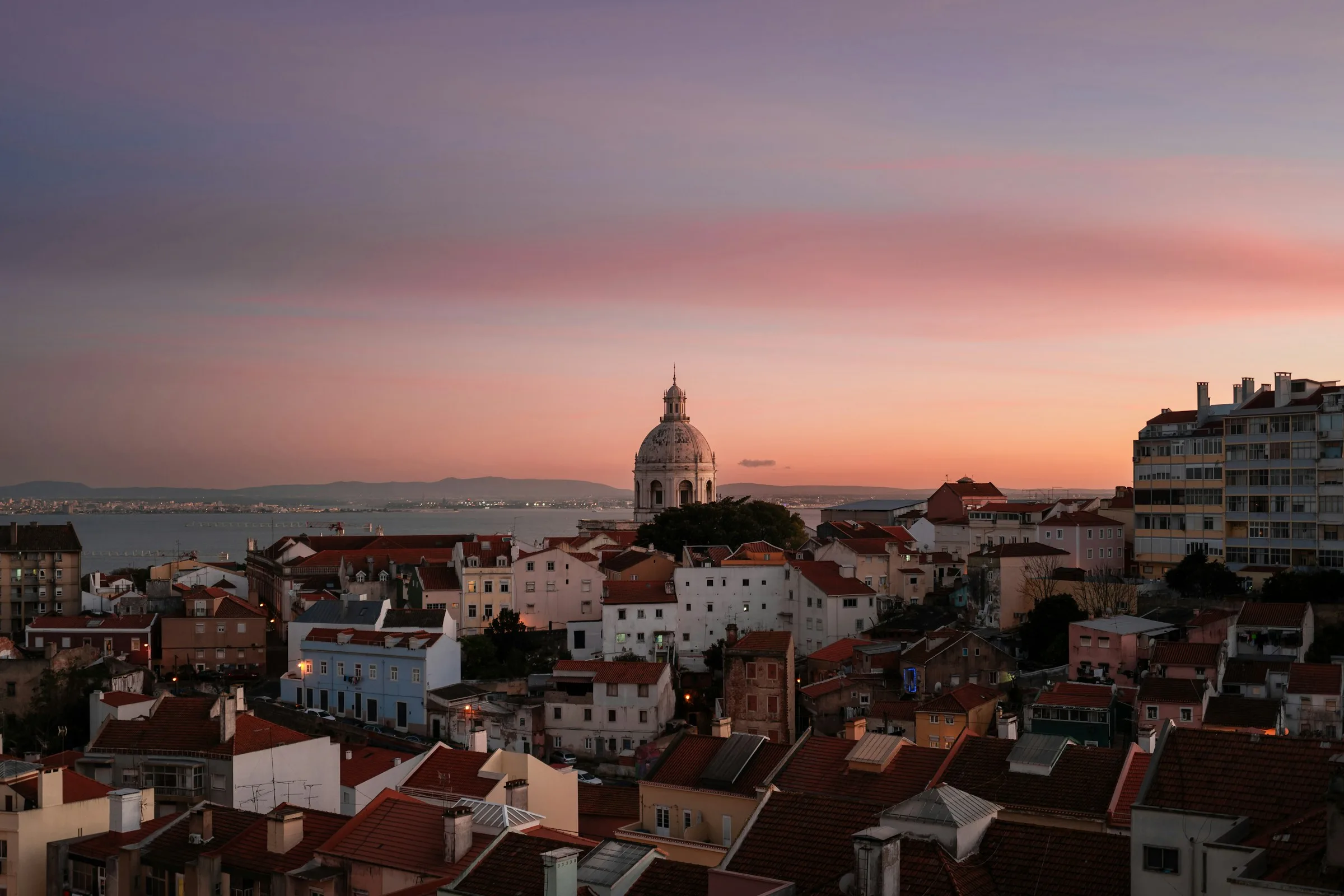
Lisbon was long a footnote in European food guides. This has changed fundamentally. Not because restaurants suddenly look Instagram-worthy, but because young chefs are reinvesting in traditional Portuguese cuisine — not as nostalgia, but as living continuity.
The Time Out Market Lisbon is a place you need to understand rather than avoid. It is not a backdrop for photographs but a concentration of thirty regionally rooted chefs under one roof. Here you see the new Lisbon food culture: modern craft instead of fine dining posture.
Mercado da Ribeira is a traditional market with fish, vegetables, and cheese. Grilled sardines are sold directly at market stalls — July through September, fresh from the boat, two euros per sardine. Within Time Out Market itself, you can sample different chefs at different stalls — pastéis de nata, grilled octopus, traditional caldeirada (fish stew). In the Tascas (traditional taverns), older men drink ginjinha (sour cherry liqueur), and the food there is simple and authentic.
Pastéis de Nata are essential — pastry with vanilla cream and cinnamon, eaten warm with strong coffee. Grilled sardines should be tasted fresh from the boat, with salt and lemon.
The best time to visit is April through June or September through November. July and August are crowded.
Barcelona and the World of Tapas
Barcelona is the opposite of Naples — orderly, elegant, design-conscious. Yet its food culture is no less powerful.
La Boqueria is a theater of the senses. Fruit and vegetable stalls in colors that seem almost unreal. Butchers where craft is visible in every cut. Cheese vendors slicing Jamón Ibérico into translucent sheets. This is not just shopping; this is understanding — where the ingredient comes from, when it is ripe, how to prepare it.
Tapas culture is not a culture of small bites. It is a culture of sharing and exploration. In the pintxos bars of San Sebastián (just over the border, worth the trip), small compositions — fish, cream, vegetables — are arranged on bread. Every pincho is a lesson in balance and composition.
Visit La Boqueria early and eat at the counter stalls. Taste Jamón Ibérico at the source — here you see the craftsmanship in every slice. Tapas bars in El Gotico are not always the most expensive, but they are genuine; ask for local recommendations. Or sit down in Mercat de la Boqueria and eat like a local.
Patatas Bravas are potatoes with spicy and mild sauces — simple, but the craftsmanship is in the details. Jamón Ibérico is the king of cured hams; inhale before you taste.
The best time to visit is April through June or September through November.
Copenhagen and Nordic Craft
Copenhagen understands craft differently than the south — more precisely, more minimalist, but no less profound.
Torvehallerne is not a market in the southern European sense. It is a design object and a functioning craft center simultaneously. Small producers — cheese makers, bakers, fish smokers — present their wares directly. Smørrebrød (open-faced sandwiches) are composed by chefs, not assembled carelessly.
Torvehallerne has two market halls; sample smørrebrød at different stalls. Reffen Streetfood Market is a former shipyard turned streetfood center, smells of smoke, spices, and sea. If you have time, take a trip to Kauppatori in Helsinki — fresh Finnish cuisine with harbor views.
Smørrebrød are rye breads topped with herring, roast beef, shrimp, and cream; the art is in the balance. Rye Bread is dark, dense, slightly sweet — it reflects Nordic understanding of fermentation and flavor depth.
The best time to visit is May through September. Winter is dark and cold.
How to Book Authentic Tours
Quality depends on three factors: group size, the guide’s locality, and the tour’s intention.
Group size should not exceed 10–12 people. Larger and you become a tourist group; smaller and you lose the infrastructure for genuine market experience. A good guide was born in the city or has lived there at least fifteen years. They know the vendors personally, understand the market’s history, know what is seasonal. Ask before you book.
Avoid “Instagram Food Tours” and “7 Stops in 4 Hours” offerings. Genuine tours concentrate on 3–4 locations with time to speak, to understand, not just to consume and move on.
Book through local agencies, not large international platforms. You get better guides and fairer prices for the vendors. Arrive hungry, not starving. Wear comfortable shoes — markets are crowded and have rough floors. Bring small change; not all vendors have card terminals.
Budgets and Realism
A 3-4-hour group tour costs approximately $75–100 USD per person in Rome, Naples, and Lisbon, and $85–130 USD in Barcelona and Copenhagen. Food during the tour is included in these prices. You should leave completely satisfied, not hungry.
For independent market visits: A suppli in Rome costs $1–2 USD. One kilogram of Jamón Ibérico in Barcelona costs approximately $45–70 USD. A glass of wine in Lisbon costs $4–8 USD. These prices are current as of June 2026 and may vary seasonally.
Eating with Purpose
A genuine culinary journey differs from tourism in a fundamental way: you stop checking boxes. You sit longer in one place. You ask the vendor why this tomato comes from that region. You watch a craftsperson knead dough — not to photograph it, but to understand.
None of this is romantic sentiment. Food speaks more truthfully than words about where you are, who lives there, what is valued — and that is the difference between travel and a souvenir.