Gourmet Destinations: France, Italy, Japan and Thailand
France, Italy, Japan, and Thailand. Four destinations, four culinary philosophies. A report on continuity, craft, and the truth that food reveals about a place.
TravelFeelings Editorial Team
Culinary travel is no longer niche. The global travel industry has recognized what eaters have long known: that the surest path to understanding a place runs through the plate. The numbers confirm it — the food tourism market grows at 14 to 21 percent annually and will exceed $80 billion by 2033. Yet statistics are not experience. To truly understand four culinary destinations, you must sit there, ask questions, taste, and above all listen to what food reveals about a region.
France: The Depth of Continuity
France is the obvious first choice, but the depth lies far from the grand names. Not Paris with its Michelin stars — that is another writer’s territory. But Burgundy, where the question has not changed for generations: How do we make Coq au Vin? Instead: How do we make it here, with our ingredients, our water, our understanding of time?
In Lyon, you sit in a Bouchon — a traditional, unpretentious bistro — and understand immediately that French cooking is not elegance but care. The owner did not invent the recipe; he inherited it, tested it, refined it. A liver dish is prepared not because it is fashionable, but because the liver comes from the local butcher and the technique of browning it pink and deglazing with Champagne has worked for decades.
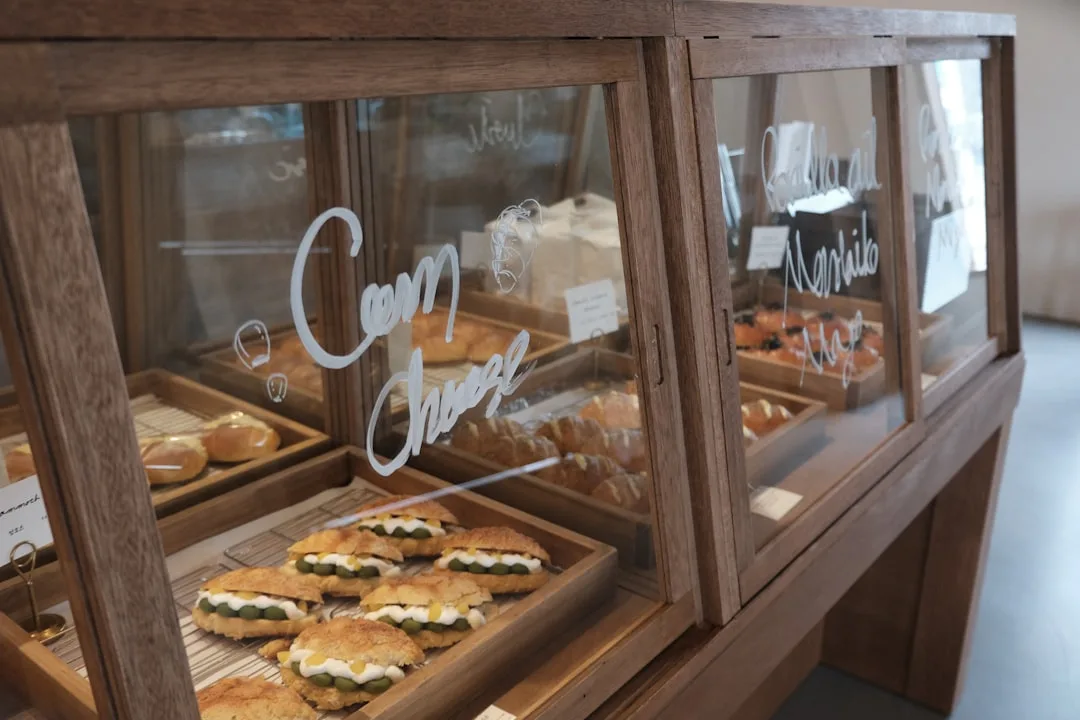
The craft reveals itself through the absence of explanation. A Tarte Tatin, a sourdough bread, a cheese from Château-Chalon — these speak for themselves. Travelers staying in Burgundy should stand in the markets of Beaune at eight in the morning, when grandmothers and vegetable vendors select the finest pieces. That is food culture without the tourist filter.
Italy: Bologna and the Grammar of Craft
Bologna is not Rome, not Florence, not the usual places. Bologna is the capital of pasta, and those who taste fresh Tagliatelle al Ragù there for the first time will understand that Italian cuisine is not an art form but necessity.
Bologna’s Ragù is not tomato sauce — it is a meat stew paired with pasta. Generations of women have calibrated the ratio of meat to fat to wine to milk, and these proportions are protected in Emilia-Romagna like intellectual property. In the Teatro Anatomico in Bologna, an old anatomy theater, cooking happens now — classes with women who teach the recipes of their grandmothers. This is not nostalgia. This is continuity.
Modena, where I have lived, shows another face: Balsamic vinegar aged one hundred years in oak barrels until it turns thick and nearly black. You do not taste a teaspoon of balsamic — you are silent. The distinction lies not in flavor alone but in a family’s decision to invest one hundred years of patience in a bottle. That is craft without irony.
Osteria Francescana in Modena — yes, it holds stars — deserves mention because Massimo Bottura does not discard the local tradition, but rather fragments and reconstructs it. His pasta is traditional; his thinking about pasta is revolutionary. It works in Modena because he knows his home, does not betray it.
Japan: Precision as Philosophy
In Japan, food is not understood as an art form — it is understood as discipline. This is a crucial distinction.
Tokyo holds more stars, more world-renowned restaurants than any other city. But the power lies in the izakayas, in the sushi bars, where a man in his seventies has made the same three cuts for fifty years, and each cut makes him marginally better. His name is not world-famous. His technique is.
Kaiseki is not food theater but a philosophy: work seasonally, waste nothing, let the quality of raw materials surpass the cook. A kaiseki menu may span fifteen courses — not because more is better, but because each course honors a different ingredient, teaches a different cut, tells a different season. Those who experience authentic kaiseki in Kyoto will eat less than usual but understand more.
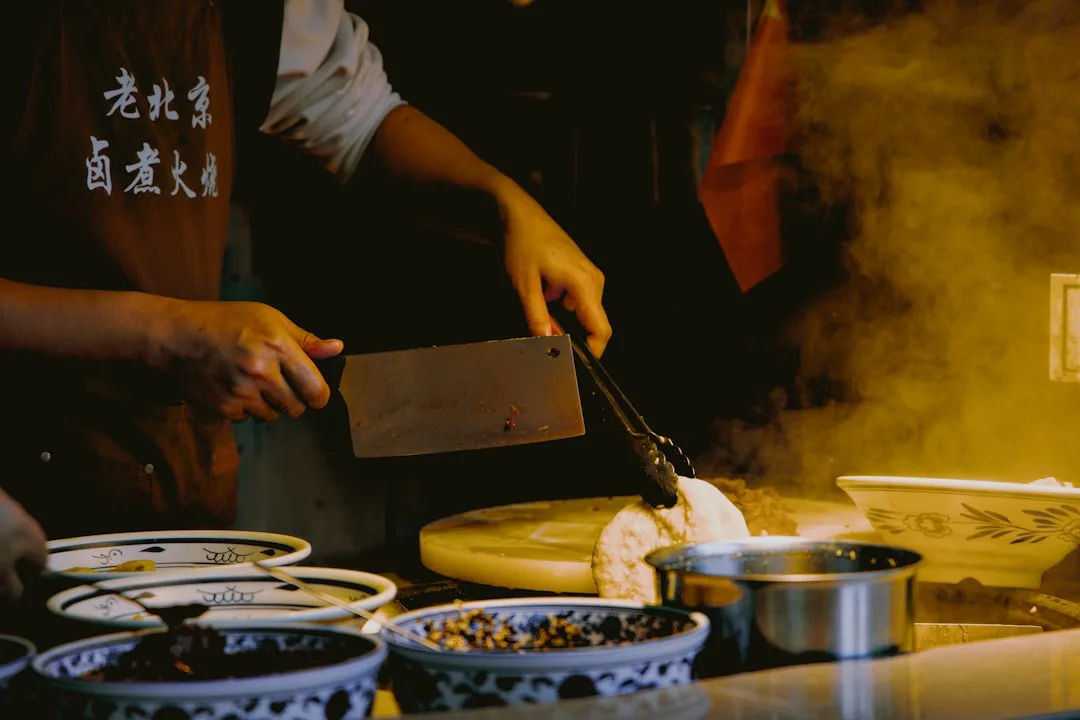
Tokyo is also street food — ramen from a master who has cooked the same broth for thirty years, tempura from someone who adjusts the technique for air humidity each day. This is not simplicity. This is complexity, reduced to essence.
Thailand: The Texture of Handwork and Aliveness
Bangkok is loud, hot, crowded. And the street food there is the finest I have witnessed outside Italy.
Pad Thai from a vendor with thirty years of standing will not follow a recipe — she knows the heat of her wok, the dryness of the noodles on this day, the acidity of the tamarind by harvest. Her handwork is hereditary, not teachable. You sit beside the wok, eat, pay two euros, and understand more about eating, living, and craft than a week of excursions could offer.
Chiang Mai, the countryside, is different — quieter, slower. Here are cooking classes where locals show how to make curry pastes in local markets, how long garlic is pounded in a mortar until cell walls break. This is not tourist theater. This is a craft process in which visitors observe.
Tom Yum is not complicated, but it is precise. A broth of lemongrass, galangal, shrimp, and heat (chili). Therein lies the continuity: that a simple dish has maintained the same quality for one hundred years because the standards do not fall. Those who taste Tom Yum in Bangkok and then in a European restaurant will understand that authenticity is not an ingredient but a choice.
The Architecture of Flavor
What unites these four places: food is not understood as a product but as continuity. The region shapes the dish; the dish shapes the region in return. Those who travel for food do not travel for stars or trends, but to understand how people live, what they have at hand, how patient they are.
UNESCO has listed fifty culinary traditions worldwide as intangible cultural heritage — not restaurants, but crafts: cheesemaking, the art of pasta, the way bread is baked. This is the current: food as cultural patrimony, not consumption.
In France you learn patience. In Italy, quality. In Japan, precision. In Thailand, continuity without romance. These four lessons cannot be captured in restaurants — they reveal themselves in market halls at dawn, with street vendors at midday, in the handwork of a cook whose gesture has been the same for forty years.
That is what culinary travel truly is: not dining experiences, but insight into the truth of a place.