Markets as Urban Texts: Food and Identity
To truly understand a city, spend time in its markets. Street-food cultures reveal urban history, local identity, and social structures in immediate ways.
TravelFeelings Editorial Team

To genuinely comprehend a city, one must abandon the guidebook and camera approach, instead immersing oneself in a market. The informal economy of street food reveals more about urban culture than any travel narrative could convey. Markets are layered texts: stratifications of history, present-day everyday practice, and economic reality. Here, tradition and modernity coexist as lived simultaneity, unstaged.
Markets as Windows into Urban Identity
The world’s most significant street-food cultures did not emerge from tourist considerations. They are expressions of local trade infrastructure, climatic conditions, and historical migrations. Bangkok’s Chatuchak weekend market, for instance, grew from informal settlements. The market has evolved from improvisation into a complex ecosystem where daily urban dwellers and visitors intermingle. Spicy papaya salad and grilled chicken skewers embody regional identity.
The same applies to Marrakech’s Jemaa el-Fnaa. This square has for centuries been the place where urban and rural spheres meet. Tagine steam and cumin aromas rise from stalls operated by families across generations. The recipes are not innovative in a trendy sense—they are continuously transmitted.
Yet the global street-food culture has undergone marked transformation in recent years. Digital payment systems (64 percent of street vendors in major cities now accept contactless payment) have formalized the informal economy. Plant-based options have become standard practice: in Berlin, Los Angeles, and an expanding roster of cities, entire festivals celebrate vegan street food. Approximately 23 percent of global consumers identify as flexitarian—and street vendors respond accordingly.
The Architecture of Informal Spaces
French urban sociologist Marc Augé coined the term “non-places”—spaces lacking cultural identity, functioning only mechanically. Street markets represent the inverse proposition. They possess character, history, an inherent dynamism that resists planning categories.
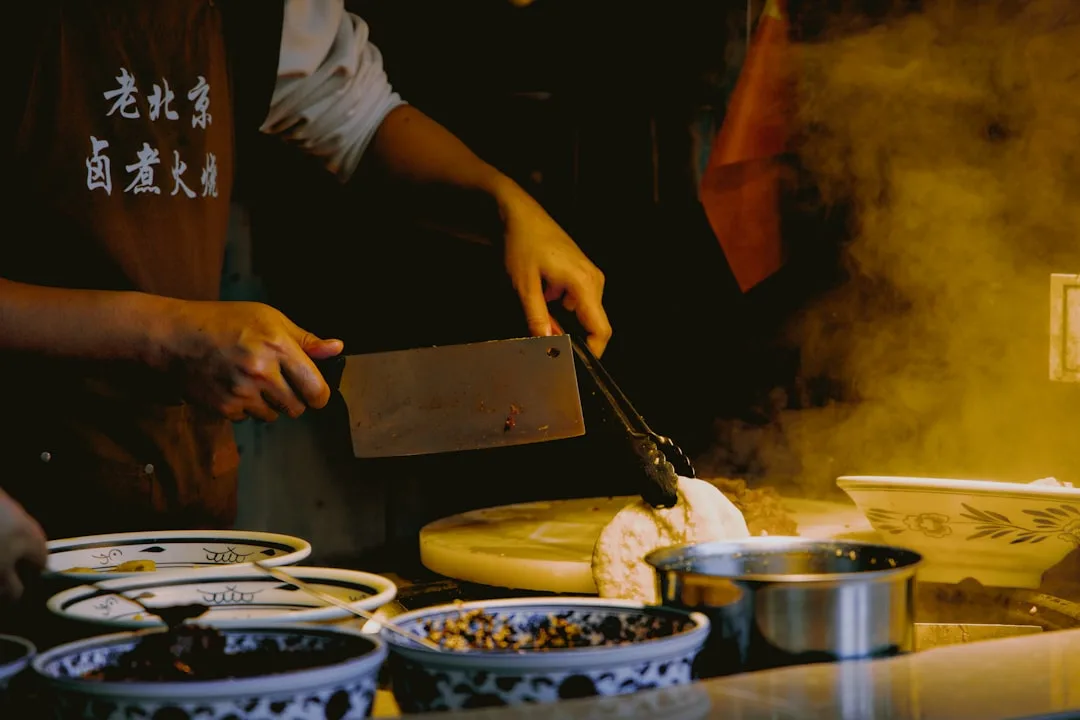
Consider Xi’an’s Muslim Quarter (Huimin Jie) in China. Multiple layers reveal themselves simultaneously. The quarter’s urban form still bears traces of the Tang Dynasty. Yangrou paomo—a mutton and bread stew—is no trendy fusion. It carries within it the history of trade routes, migrations, and local resource availability. Every city you visit can be temporally located through its street-market cuisine.
Palermo’s Ballarò operates similarly. The market inscribes itself into the quarter’s urban anatomy—narrow alleys, acoustic saturation, human density. The arancini (rice balls) and panelle (chickpea fritters) are not marketing inventions. They emerged from quotidian resource scarcity and survival innovation: how to transform inexpensive ingredients into portable, satiating meals?
Practical Lessons from Cultural Observation
Those seeking authentic street markets must liberate themselves from touristic expectations. Several reliable indicators exist:
The presence of local workers—people in business attire eating lunch—signals fairness in pricing and trusted quality. Equally reliable is the presence of families with children. Parents do not feed their children in unsafe environments. A vendor with high throughput, evidenced by queues and rapid preparation, indicates fresh ingredients.
Engage in conversation with local visitors. A single question—“What would you eat today?” or “Where do you prefer to go?”—yields recommendations divergent from guidebook suggestions. Local knowledge is irreplaceable.
An overlooked point: hygiene in informal markets correlates strongly with visibility and turnover. Stalls with clean work surfaces, clear water sources, and frequently changed utensils signal diligence. This is not elitist—it is basic sanitary responsibility.
Markets in Transition: Tradition and Contemporaneity
Shanghai’s Shouning Road exemplifies transitional phenomena. The market serves locals, not tourists. Simultaneously, cutting-edge mobile-payment systems have taken root there. QR codes exist alongside hand-written menu boards. This coexistence characterizes many contemporary markets.
Wuhan’s Hubu Alley, which markets itself as “First Breakfast Lane Under Heaven,” demonstrates another trend: local markets consciously positioning their cultural distinctiveness without inauthenticity. Hot dry noodles with sesame paste are not invented for tourists—they constitute regional everyday food. Yet deliberate market positioning attracts a broader audience.
Sustainability has become a street-level concern. Local sourcing reduces a meal’s carbon footprint by 7 to 10 percent. Plant-based dishes can reduce footprints by 73 percent versus meat alternatives. Several European markets (Berlin, Amsterdam, Barcelona) have established reusable-container systems making informal eating more ecologically sound.
Where to Begin? Geographical Orientations
For initial market exploration, one need not venture far beyond Istanbul or Palermo. Istanbul’s Kadıköy market exemplifies urban anomaly: a major Turkish city with European-inflected market culture. Simit, köfte, mussel-filled bulgur pastries—each dish carries migratory history.
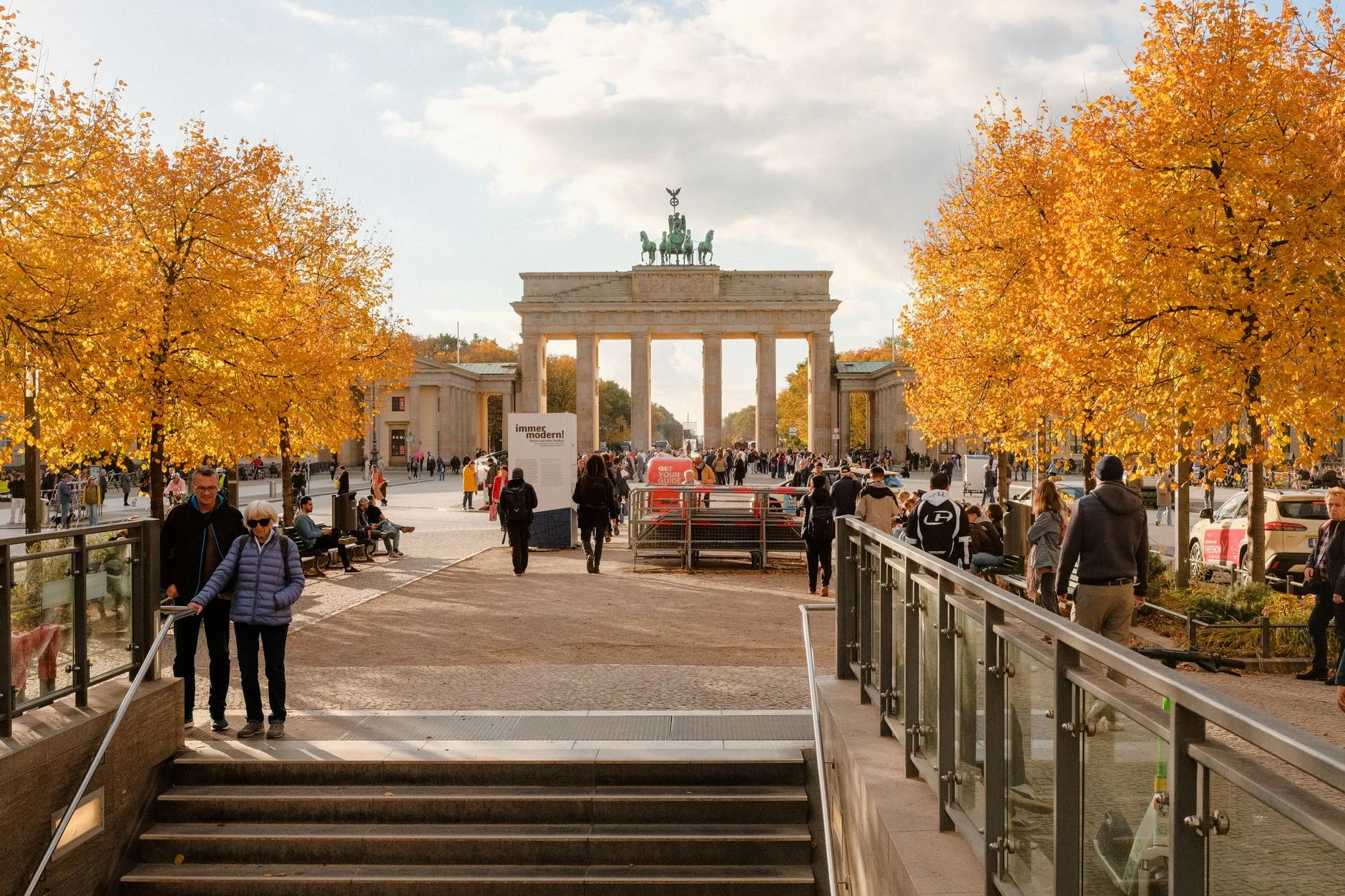
Those preferring shorter flights discover genuine market authenticity in European capitals. Berlin’s street-food scene, despite its trendiness, has retained authentic dimensions. Markthalle Neun functions as a space where established vendors coexist with new entrepreneurs—a laboratory of contemporary urban food culture. Similarly, Paris preserves classical French street food culture—crêpes, sandwiches, café culture—alongside new entrepreneur-driven ventures.
Seoul’s Gwangjang Market notably combines tradition and modernity: bindaetteok (mung bean pancakes) prepared according to century-old formulas exist alongside digital ordering systems. This is simply the present reality of urban culture.
Markets as Access to Urban Truth
Street markets are not a trend. They are an enduring constant of urban civilization. Visiting them—not as Instagram locations but as sites of genuine everyday life—is an act of understanding. In these spaces a city shows its real, unpolished face, and that is worth far more.