Guide
Autumn City Breaks: European Gems Away from the Crowds
Discover Europe's cities in autumn without crowds. Architectural masterpieces and hidden gems for the culturally curious traveler.
TravelFeelings Editorial Team10 min.
Netherlands · Western Europe
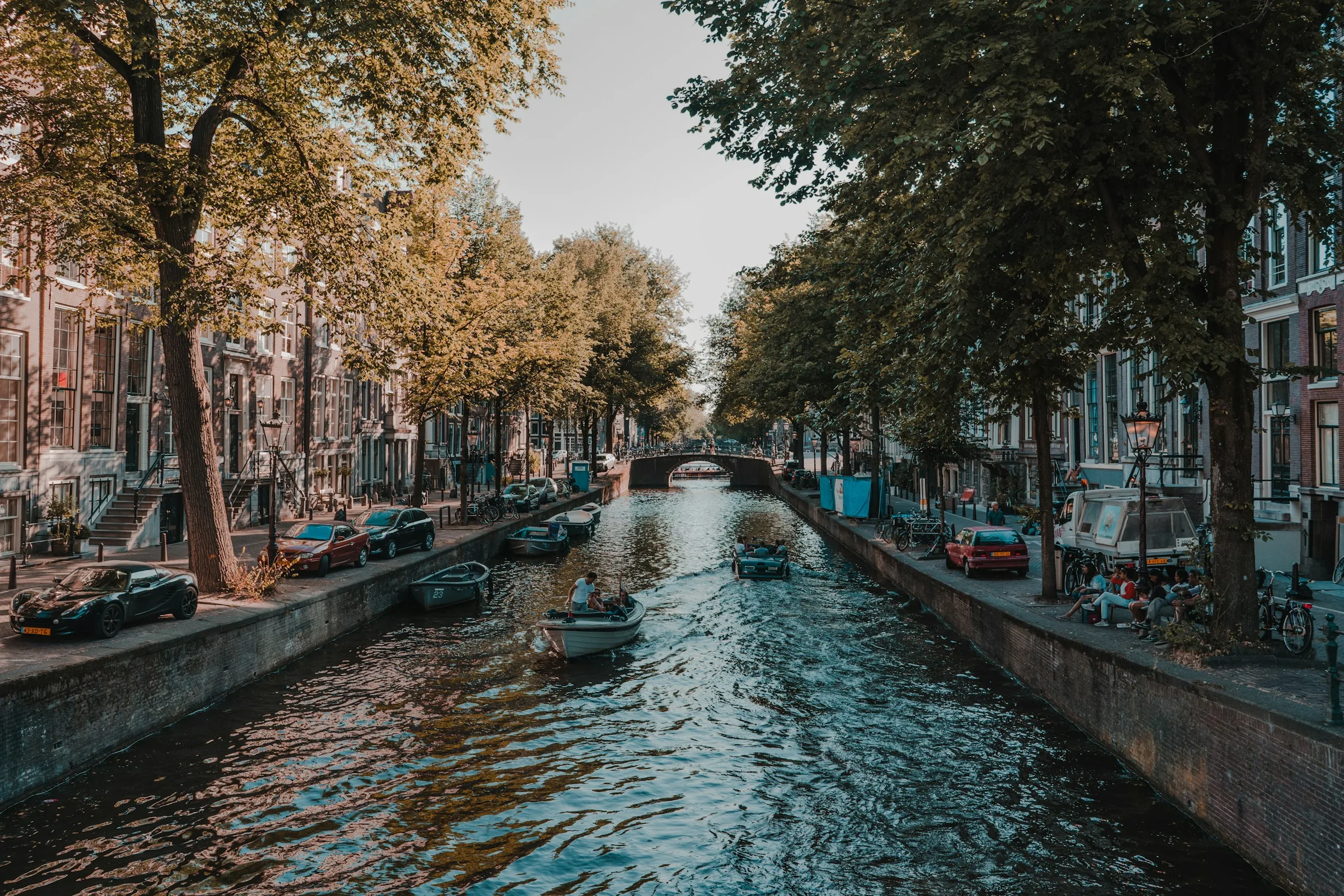
Amsterdam wraps 17th-century canals, world-class museums, and a cycling culture unlike anywhere else into one compact, unmistakably Dutch city.
Amsterdam is a museum city like few others. The Rijksmuseum is the national shrine, home to Rembrandt’s “The Night Watch” and artworks that define the Dutch Golden Age. The Van Gogh Museum draws roughly 1.5 million visitors annually—the world’s largest collection of van Gogh’s works displayed in a modern building that somehow captures his intensity.
The Anne Frank House is not a museum in the traditional sense. This historical hiding place, where the teenager wrote her world-famous diary, is a place of reflection and humility. Plan generous time and book online—slots sell out days in advance.
But Amsterdam is more than museums. The four main canals—Herengracht, Prinsengracht, Keizersgracht, and Singel—form the city’s spine. A canal boat ride reveals the architecture and intimacy of these waterways in a way no map can. The house facades, some tilted and weathered, tell stories spanning four centuries.
Vondelpark is the city’s lungs. Forty-five hectares of green space with museums, summer outdoor cinema, cafés, and enough room that crowds feel manageable. The Jordaan district, just north, is where authentic Amsterdam lives—narrow lanes, small cafés, galleries, and refreshingly few tour groups.
For modern perspectives, A’DAM Lookout offers a 360-degree panorama from 100 meters high. The “Over the Edge” swings are for those unafraid of heights. The Heineken Experience is a pilgrimage for beer lovers—interactive, educational, and built around a brewery that produces more beer than some countries produce water.
The countryside around Amsterdam is worth a day as much as the city itself. Marken and Volendam are traditional fishing villages just 20 kilometers away. You’ll find authentic Dutch architecture, cheese museums, handmade souvenirs, and locals still wearing traditional dress—not for tourists, but because it’s tradition.
Zaanse Schans is an open-air museum featuring historic windmills, traditional crafts, and a window into 17th-century Dutch rural life. It’s 30 minutes away by bus or train and costs significantly less than city attractions.
Keukenhof is open only March through May and is the world’s largest flower park. If you visit in spring, it’s a must. The tulip displays combined with other spring blooms are kitsch enough to feel guilty about, and beautiful enough not to care.
Utrecht is a neighboring city with cathedrals, laid-back canal-side cafés, and its own art scene. A 30-minute train journey away and perfect for a half-day excursion. Haarlem is even closer—just 15 minutes—and feels like Amsterdam’s quieter sibling. Great for photography and peace-seeking.
Brouwerij ‘t IJ is a craft brewery in the east, far from tourist paths. Small, authentic, with a terrace regularly filled with locals. The beer is exceptional, the atmosphere genuine.
NDSM Wharf in Amsterdam-Noord is reachable via free ferries across the river. An artist and design quarter with street art, studios, alternative music venues, and noticeably less touristy than the southern bank. Sunday art markets run regularly.
Café de Jaren hides along the Amstel river with two floors and a terrace overlooking the water. If you want to feel like you’ve stumbled onto a secret local spot, this is it.
The Begijnhof is a medieval courtyard hidden behind street-facing facades—a quiet, green space with a 14th-century chapel. Free to enter and spiritually distinct from the tourist circuit.
Amsterdam has a maritime climate shaped by proximity to the North Sea. Seasons are distinct without extreme temperature swings—the annual average hovers near 50°F (10°C).
Spring (March to May) is the season to aim for. Tulips bloom, temperatures climb from 50 to 66°F (10 to 19°C), and trees turn green. Keukenhof opens. Visitor numbers begin to rise, but not explosively. This is the best season.
Summer (June to August) is warm and long. Temperatures between 72 and 75°F (22 to 24°C), seven to eight hours of daily sunshine. The canals fill with boats and people. Rain comes regularly, and the city becomes undeniably crowded. Also the priciest months. If you must go, expect throngs.
Autumn (September to October) mirrors spring in reverse. Temperatures fall from 66 to 57°F (19 to 14°C), but the light turns clear and golden. Fewer tourists, cultural events, festivals. October especially, with clear air and thinner crowds, stands out. This is the second-best season.
Winter (December to February) is cool (32 to 41°F / 0 to 5°C), days short and dark. Rain is frequent. But if snow falls, Amsterdam becomes a postcard. December’s Christmas atmosphere is unbeatable, and the city is quiet. For the right person, wonderful.
| Jan | Feb | Mar | Apr | May | Jun | Jul | Aug | Sep | Oct | Nov | Dec |
|---|---|---|---|---|---|---|---|---|---|---|---|
| Low | Low | Low | Sweet Spot | Peak | Peak | Peak | Peak | Sweet Spot | Sweet Spot | Low | Low |
5° 0° | 7° 1° | 10° 2° | 15° 6° | 19° 10° | 22° 13° | 24° 15° | 23° 14° | 19° 11° | 14° 7° | 9° 4° | 5° 1° |
The Dutch are direct. This isn’t rudeness—it’s blunt honesty. Expect no circumlocution or polite hedging. Eye contact matters. What you don’t ask in the first sentence, you’ll learn through follow-up questions.
Amsterdam is a cycling city. 2.5 million bikes for 870,000 residents. Respect the red bike lanes. Don’t ride in them if you’re on foot, don’t park in them. Cyclists have absolute priority. You won’t win against a bicycle, and cyclists know this too.
Tipping is customary (5–10 percent) but not mandatory—unlike America. Rounding up is standard. Many modern cafés don’t even have tipping options, and that’s fine.
Amsterdam is liberal regarding cannabis and drugs. Coffeeshops are legal, tolerated establishments for cannabis use. This doesn’t mean anything goes. Rules exist, enforcement happens, and police won’t follow you, but they won’t ignore you either. Don’t confuse tolerance with anarchy.
The city is proud of its LGBTQ+ acceptance. Amsterdam Pride in August is the city’s largest event. LGBTQ+ travelers will feel welcome.
Don’t urinate on bridges or in the canals. The city has enforcement officers working at night, and the fine for public urination is around $110 (approx. €100). Use the toilets.
The bike lanes are not a parking area and not a sidewalk. A bicycle will hit people in those lanes faster than you can react. Stay out.
Don’t be disrespectful to police. Directness is acceptable, disrespect is not. Complaining legitimately is civic duty. Insults cost money.
No photos of people in coffeeshops or in red-light windows. This isn’t a zoo. Privacy matters. The windows are lit, but the people behind them aren’t exhibits.
Don’t consume everything a stranger offers you. Amsterdam is safe, but grifters exist. Substances sold in coffeeshops are regulated, but outside substances are not.
Amsterdam Airport Schiphol is one of Europe’s largest, roughly 10 miles (15 km) west of the city. Three main options reach downtown:
The train is the classic choice. A regional train runs every ten minutes between the airport and Amsterdam Central Station. The ride takes 17–18 minutes and costs around $6.40. Fastest and most reliable.
The Airport Express bus departs every eight minutes. The journey takes roughly 30 minutes depending on traffic. Tickets cost $7.50–11. Cheaper but slower.
Taxi or Uber cost around $50–65 and only make sense for groups or heavy luggage.
Don’t rent a car. Amsterdam isn’t built for cars. Parking costs $20–30 daily, streets are narrow, and bicycles have priority. Public transit is superior.
Within the city, trams (17 lines), metros (4 lines), and buses are your friends. A single ticket costs about $3 and works on all systems. Buy an OV-chipkaart (transit card) at a machine. Multi-day passes ($7–16/day) save money with frequent use.
Renting a bike is quintessentially Dutch. Around $11–17 daily for a basic bicycle. Ensure a good lock is included—bike theft happens often. Many rental shops provide them already.
The city center is very walkable. Most tourist attractions lie within a 20-minute walk of each other.
Ferries are free and a great way to reach Amsterdam-Noord, an artist quarter with galleries, museums, and alternative culture.
German and other EU citizens need no visa for Amsterdam or the Netherlands—EU freedom of movement applies within the Schengen zone. A valid passport or a national ID card (Personalausweis) is sufficient for entry; you don’t need both. Just check that whichever document you bring is still valid before booking.
Your travel document must be valid for your entire stay. You don’t need an additional buffer beyond your visit, but validity can’t expire during your time there.
For stays longer than 90 days, registration with the local municipality (gemeente-kantoor) is required. It’s not complicated, but it’s necessary.
EU travelers face no customs restrictions on personal goods. If you carry over $11,000 (approx. €10,000) in cash, you must declare it. It’s not unusual for longer trips, but the rule matters.
Insurance: The European Health Insurance Card (EHIC) is valid in the Netherlands and accepted by Dutch doctors. But private travel insurance is still recommended, especially for longer trips or special activities.
There are no mandatory vaccinations for the Netherlands. However, the Robert Koch Institute recommends refreshing standard vaccinations (measles, tetanus, diphtheria, polio). Additional recommendations include hepatitis A and B, rabies, and meningococcal vaccines, particularly if you plan close contact with animals or locals.
Tap water in Amsterdam is safe to drink without concern. Quality standards exceed WHO recommendations. Drink straight from the tap anywhere—in restaurants, hotels, homes. It’s one of the Netherlands’ luxury standards.
Amsterdam is generally safe. It’s a major European capital with European-standard safety. Minor pickpocketing occasionally occurs in tourist-heavy areas—train stations, major museums, canal-side spots. Be alert, not paranoid. Police presence at the airport and central station is increased due to anti-terrorism measures.
Nights are safe in most areas, but exercise standard caution. Don’t walk alone through parks at 2 a.m.
A common scam: Grifters claim to have been robbed and ask tourists for money. Simply ignore and move on.
Medical care is high-quality, similar to Germany. Pharmacies (apotheek) are common. Emergencies: Dial 112 (the European emergency number).
Discover Europe's cities in autumn without crowds. Architectural masterpieces and hidden gems for the culturally curious traveler.
Discover Europe's best cultural museums and galleries beyond the Louvre. Essential institutions and hidden gems across London, Vienna, Amsterdam, and more.
A short trip need not be superficial. With deliberate route planning, you discover the cultural and architectural substance of Europe in three days — not merely the facades.
To truly understand a city, spend time in its markets. Street-food cultures reveal urban history, local identity, and social structures in immediate ways.