Autumn City Breaks: European Gems Away from the Crowds
Discover Europe's cities in autumn without crowds. Architectural masterpieces and hidden gems for the culturally curious traveler.
TravelFeelings Editorial Team
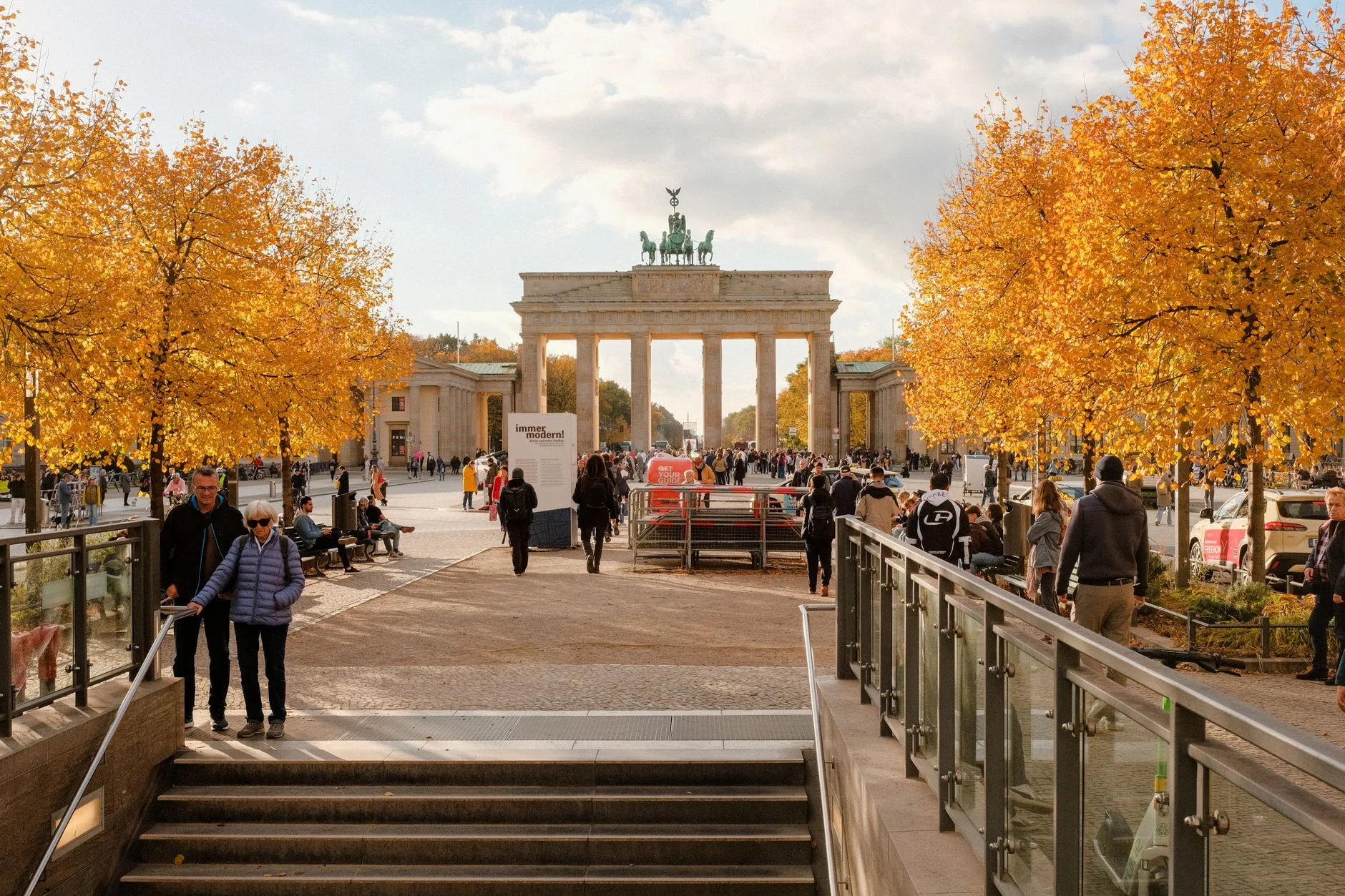
Autumn marks a threshold in European travel culture. As summer tourist flows subside, a different understanding of urban space emerges — one defined less by visitor volume and more by architectural presence. The drier air, lower sun angle, and diffused light permit the observer to perceive facades and proportions differently. This shift is not merely aesthetic; it changes how we read cities.
Why Autumn Is Ideal for City Travel
September through November offers the culturally minded traveler a series of advantages that transcend sentimental notions of autumn romance. Average temperatures between 50 and 68 degrees Fahrenheit allow for extended urban exploration without the physical toll of summer heat. Museum visits cease to be logistical challenges; visitor numbers measurably decline.
From an economic standpoint, a clear pattern emerges: flight prices and accommodation costs fall 20 to 40 percent compared to peak season. This applies especially to luxury properties, which command premium rates during school holiday periods. This opens the possibility of staying in protected heritage hotels and intimate boutique properties that would otherwise exceed budget constraints in other seasons.
The lower humidity presents another advantage: cities reveal their surfaces more candidly. Humidity obscures architectural detail; autumn clarifies it.
Second-Tier Cities: Graz, Bolzano, Nuremberg
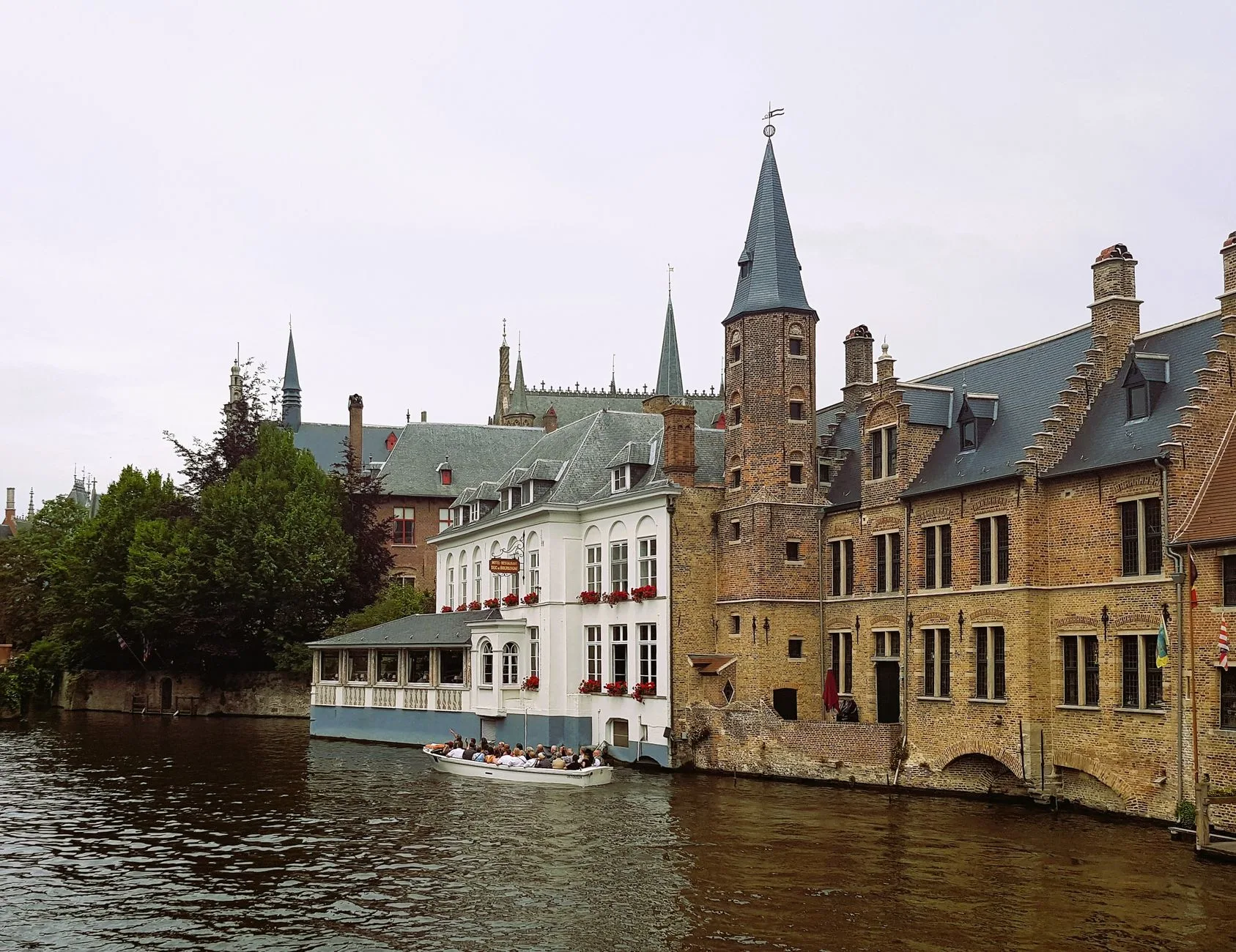
The tendency to visit the same metropolitan centers — Paris, Rome, Barcelona — masks another Europe entirely. Cities like Graz, Bolzano, and Nuremberg possess historic cores whose architectural coherence rivals the larger capitals, yet without the visitor pressure.
Graz
Graz (Austria) reveals itself in autumn as a city of palimpsests. The castle presides over an old town whose layered composition runs from the Renaissance to the contemporary. Those interested in Austrian cultural cities will also find remarkable architectural stratification in Vienna, yet Graz offers this with considerably less visitor pressure. The Murinsel, an artificial island featuring the undulating architecture of designer Vito Acconci (completed 2003), demonstrates how this city reinterprets its cultural past through contemporary intervention. The parks turn gold in October. Visitor numbers are roughly one-tenth those of Venice, with comparable cultural density.
Bolzano
Bolzano (South Tyrol) sits at the intersection of German-speaking Alpine culture and Italian Renaissance tradition. The Altstadt, centered on Walther Square, manifests this duality in every lane: Germanic-Gothic gable houses face Italian-style loggias and arcades. The city’s museum collections span from medieval periods to contemporary practice, documenting this cultural crossroads. Sitting in Castel Rundelstein’s grounds while observing October’s coloring of the fruit orchards to the south reveals why this region attracted European artists and craftspeople across centuries.
Nuremberg
Nuremberg (Germany) stands as a textbook example of medieval urban planning. The Pegnitz meanders, the city walls, the concentric arrangement of craft guilds — all speak to spatial logic. The timber-framed housing belt and the Imperial Castle reveal how power and commerce once manifested themselves in urban form. In autumn, when school groups depart, this order finally becomes legible without the pressure of crowds.
Established Centers with Breathing Room: Barcelona, Prague, Budapest
These three cities do not lose significance in autumn; they gain accessibility. Barcelona’s Venetian-influenced architecture — Gaudí’s Sagrada Familia included — permits concentrated observation without queue fatigue for the first time. Prague’s Gothic-Baroque Old Town, particularly when October colors illuminate the Vltava’s banks, presents a sight that summer months cannot match. Budapest’s thermal baths acquire new qualities of contrast when exterior temperatures drop to 59 degrees.
Practical Considerations
Timing: September offers the lowest flight prices; October provides optimal autumn foliage. November is most economical but brings abbreviated museum hours and daylight below 9 hours.
Accommodation: Short-term rentals cost approximately one-third less than comparable hotels. For culture-focused travelers, seek lodgings within historic palaces or neoclassical civic buildings. The architectural quality of the sleeping quarters constitutes part of the experience.
Clothing: Lightweight wool coats, scarves in natural fibers, sturdy footwear for cobblestone streets. Rain showers occur frequently; a compact umbrella suffices.
Museum Visits: Reservations are unnecessary in autumn. Many institutions (Vienna’s Kunsthistorisches Museum, Florence’s Uffizi) offer reduced admission during off-peak hours. Note that Mondays often bring closures — factor this into route planning.
Architecture and Autumn Perception
This point warrants deeper consideration. The low autumn sun creates shadow plays on facades that render surface structure — rustication, fenestration patterns, cornices — more legible. A Gothic town hall that appears smooth in bright summer light suddenly reveals the depth of its masonry in October. This is not sentimentality but optical fact. Those interested in architecture travel in autumn not from romanticism but from a drive to understand construction logic more precisely.
Closing Thought
Autumn poses a different question to European cities: not “What is most spectacular here?” but “How is this community actually built?” Under this lens, even small towns become compelling. A walk through Dinant’s lanes (Belgium) or Varaždin’s baroque streets (Croatia) reveals urban planning in detail as the summer pressure would not permit. For further inspiration on European city travel, a growing number of architectural itineraries cover lesser-known stops across the continent.
The economic dimension — lower costs — is welcome but not decisive. What matters is the space for careful observation.