Sustainable Luxury – Stylish Hotels Without Compromise
How to find genuine luxury hotels with sustainability certification — and not just greenwashing.
TravelFeelings Editorial Team
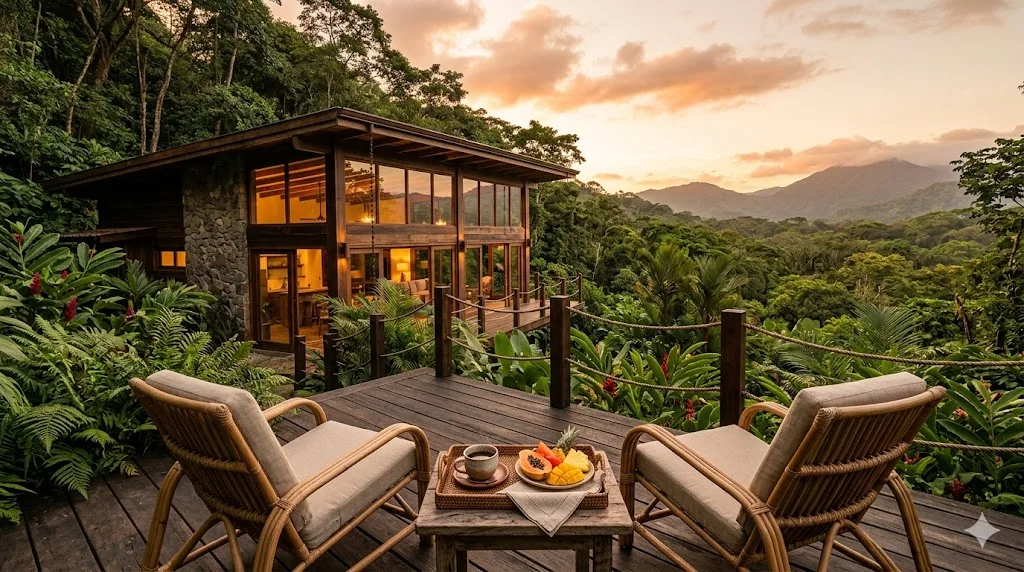
The assumption that luxury and sustainability contradict each other has long been outdated. What has taken hold is a more differentiated understanding: slow luxury means sacrificing superficiality — comfort stays intact. Longer stays at fewer places, carefully crafted hotels instead of mass tourism, higher quality instead of higher quantity.
83 percent of travelers say that sustainable travel matters to them. The problem: many confuse marketing with substance. A hotel that appears “green” because it hung a poster in the lobby is not the same as a property that has measured and reduced its energy footprint over years.
The Problem with Greenwashing
Greenwashing in the luxury segment is more sophisticated than elsewhere. A hotel can claim to be “sustainable” without anyone investigating. Even without genuine certification, the websites look impressive. In practice, things look different.
The red flags: vague statements without metrics (“we are climate-conscious”), a single logo from an obscure association, no clear data on energy consumption or waste management. A genuine property will give you concrete figures on request. You should be able to find out what percentage of energy demand comes from renewable sources, what the waste ratios look like, which local partners are in the supply chain.
How to Recognize Genuine Certifications
There are now more than a dozen established certifications for sustainable hotels. Not all are equivalent, but some carry real weight:
Green Globe uses 380 compliance indicators and is reviewed by independent auditors. This is demanding and costly — hotels that earn it have invested genuine effort.
EarthCheck has been operating since 1987 and focuses on measurable factors: energy efficiency, waste management, greenhouse gas emissions. Annual re-audits are mandatory.
LEED certification focuses on the building fabric — whether the property was sustainably constructed from the ground up. Hotel Terra Jackson Hole, for example, uses 39.2 percent less energy than a conventionally built hotel of the same size. These numbers come from independent measurement.
Rainforest Alliance and Travelife evaluate working conditions and community impact alongside environmental factors — important when booking in vulnerable regions.
Slow Luxury in Practice: Costa Rica and Norway
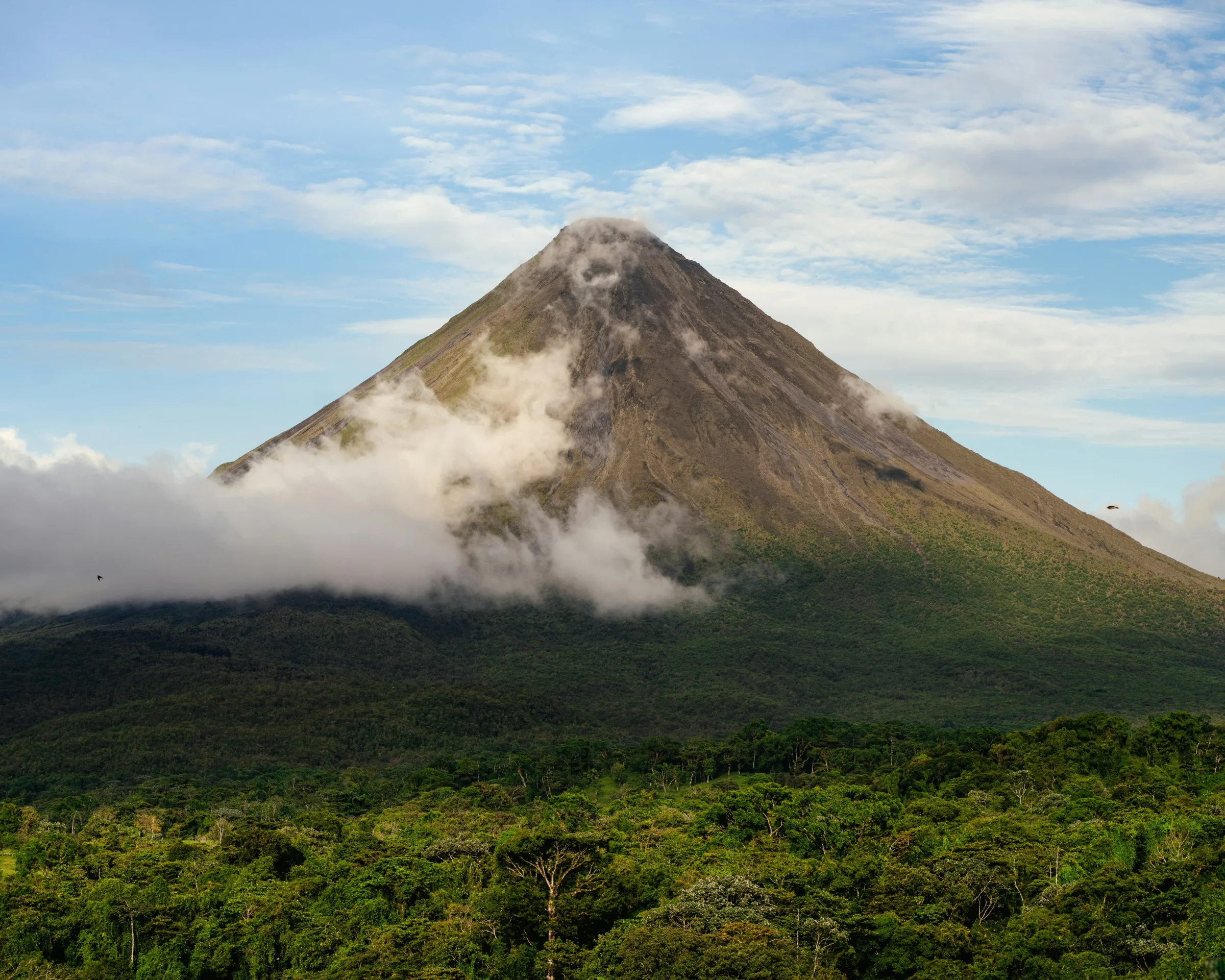
Costa Rica is no longer just a backpacker destination. A new generation of boutique hotels has recognized that luxury and environmental protection can coexist — and must, given that biodiversity is the greatest asset.
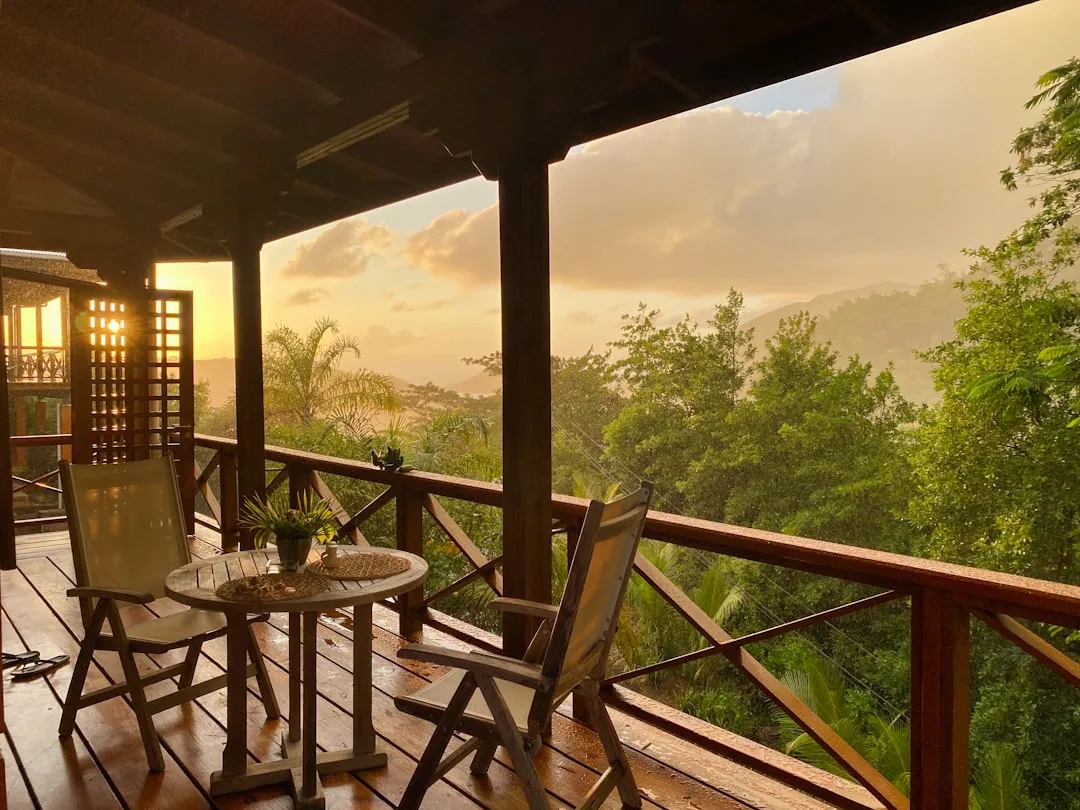
Bosque del Cabo sits on the Osa Peninsula, on a 1,850-acre private reserve. The highest CST certification in Costa Rica corresponds globally to the Green Key standard. The 17 bungalows run on solar and micro-hydro energy; the guides are natural scientists. A stay costs $160–$270 per night, but it is a fundamentally different experience from an all-inclusive resort with 500 guests. You know which birds you will see, where the water comes from, why the building looks the way it does.
Finca Rosa Blanca in the Central Valley shows a different model: a functioning organic coffee plantation with guest accommodation. Farm-to-table dining is literal here — the coffee at breakfast grows on the same parcel. Rainwater harvesting, Elite certification, minimal plastic.
In Norway, sustainable luxury becomes an architectural statement. Hotel Svart at Svartisen will be the first genuinely zero-emission hotel — solar panels on the roof, heat pumps for heating, storage batteries for overnight use. The notable thing: it avoids the ascetic concrete-bunker look. Architecture remains a craft, even when it must be sustainable.
Britannia Hotel in Oslo is an older property that has been completely renovated to passive house standard. The energy balance: 25 percent of normal consumption. Miljøfyrtårn-certified, working with local farmers and fishermen. The price is around $194–$270 per night (€180–250). It costs about the same as a conventional four-star and spends the money more honestly.
The Central Question: Stay Longer, Travel Less
Slow luxury only works with a different travel philosophy. Whoever has a week and wants to see five countries will not benefit from it. Whoever spends four or five days in one place discovers local restaurants, picks up a little of the language, and respects the midday quiet — that person notices the difference.
This also has consequences for getting there. A longer train journey instead of several short flights is more climate-friendly. Compared to air travel alternatives such as train and car, aviation loses decisively on CO2 emissions per kilometer. Sustainable travel starts with the traveler’s mindset.
This also applies to the choice of country. Costa Rica and Norway are deliberately expensive — they do not want mass tourism. That is paradoxical but honest. A country like Bali or Thailand with the same sustainability rhetoric but lower prices cannot manage the volumes — and fractures under the weight of visitors. Countries with higher prices have fewer of these capacity problems.
The Checklist for Genuine Sustainability
Do not trust buzzwords. Here is a checklist for research before booking:
Call the hotel and ask for concrete figures: percentage of renewable energy, waste ratio, local sourcing for food, working conditions of staff. A good hotel will not find these questions uncomfortable. A property that responds vaguely or deflects with “we take care of it” has no real strategy.
Look for certification logos and verify them. Green Globe maintains a public list of certified hotels. So does EarthCheck. Websites displaying self-issued certificates are suspicious.
Read reviews from guests who stayed for longer periods — not weekend visitors. Genuine sustainability reveals itself in the details: are the windows well-insulated (saves energy)? Is the air conditioning selectively deployable or running everywhere? Do the ingredients really come from local sources?
Ask about the carbon footprint of your stay. Credible hotels can provide this figure. Better still: they offer carbon offsets — as an honest accounting of impact.
What Realistic Sustainability Looks Like
No hotel is perfectly sustainable. That is a realistic expectation. A hotel with 80 rooms drawing 80 percent of its energy from renewable sources and transparently offsetting the rest is better than one claiming 100 percent but never audited.
Sustainable luxury travel is honest at its core: the willingness to pay higher prices for genuine craft. More time at fewer places, real certifications, measurable data, local economies that actually benefit.
Whoever understands this no longer needs to feel guilty. You simply travel more deliberately.