Cruise Ship Etiquette - The Unwritten Rules Aboard
Cruise ship etiquette is rarely spelled out, yet the unwritten rules aboard decide whether thousands of passengers share a smooth voyage or constant friction.
TravelFeelings Editorial Team
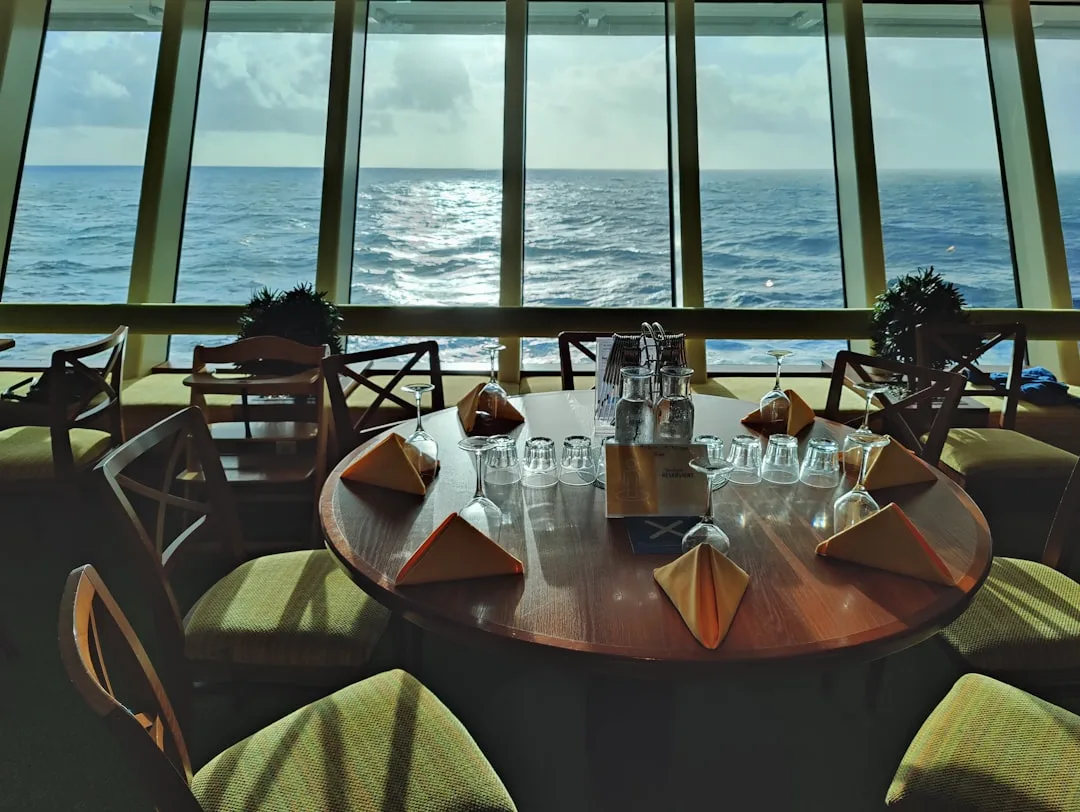
When you first book a cruise, you imagine relaxation, buffets, and sunsets. What often gets overlooked: When 3,000 to 5,000 people live in close quarters on a ship, unwritten rules determine whether the voyage feels harmonious or constantly tense. These codes are rarely documented in your cruise documents, yet violating them sparks conflict, frustration, and sometimes crew intervention.
Anyone who has spent considerable time aboard cruise ships notices the same thing: The culture of respect between passengers is what truly makes or breaks a voyage. These unwritten rules aren’t punishment. They are practical agreements born from the reality of communal living at sea.
The Sun Lounger - The Oldest Deck Dispute
Pool decks are contested territory. Some passengers drop a towel on the prime lounger at 7:00 AM and vanish for breakfast or a shore excursion, gone for hours. It is the classic behavior that infuriates fellow passengers. It feels unfair because it is unfair. If you are not using the lounger, you should not block it.
Cruise lines have begun enforcing this strictly. Most now have an unofficial 30-minute threshold. Beyond that window, crew can remove abandoned towels. Some ships even use a system where loungers can only be reserved with a cabin card. The principle remains: a lounger is for active use, not advance reservation.
On smaller expedition vessels, where space is even tighter, this rule is enforced far more rigorously.
Balconies - A Private Space with Public Boundaries
Your balcony feels like your own retreat, a private sanctuary at sea. But it is not isolated. Balconies are often separated by thin panels. You can frequently see and hear your neighbors clearly.
The cardinal rule: control your volume. Quiet conversation or soft background music is fine. A speaker blasting at full volume at 11:00 PM is not. This especially applies to late nights and early mornings when others are sleeping. Smoking and vaping are prohibited on most balconies, though passengers attempt it regularly. Crew enforces this when spotted.
Small details matter: close doors gently, not with a slam. Looking into neighboring balconies or leaning over the rail feels invasive. And never throw anything overboard. Neither trash nor miscellaneous items. It is not just rude; it is illegal and can result in substantial fines.
The Buffet - Where Hygiene Meets Courtesy
The buffet is both a drawcard and a flashpoint. Thousands of people use the same serving stations. Hygiene is critical.
First unwritten rule: wash your hands before eating. Hand sanitizer stations sit at the buffet entrance. Many passengers skip them. It is careless. Germs spread faster in confined spaces than almost anywhere else.
Second: use the serving utensils. Reaching directly into dishes with your bare hands is unacceptable. Every station provides serving utensils. Use them.
Third: take a fresh plate. Your old plate with sauce residue and food scraps belongs on your table, where crew will collect it. The stack at the buffet is for clean plates. Carrying your soiled plate through the buffet creates unnecessary problems.
And finally: do not cut the line. The natural queue forms quickly. Honor it. Suddenly weaving in from the side saves you seconds but generates immediate frustration from those behind you.
In the main dining room, formal dress codes apply. Usually Smart Casual in the evening. Swimwear, swim trunks, and flip-flops are off-limits. It sounds obvious, but crew members redirect guests daily for inappropriate attire. These standards are not arbitrary. They also protect your dining experience from wet chairs and sand on the cushions.
Common Spaces - From Elevators to Laundry
The elevator is a classic lesson. The unwritten rule: let people exit before you enter. Many passengers crowd the doors and rush in the moment they open, blocking those trying to leave. It is disrespectful. A two-second wait creates far more harmony than you would expect.
The laundry room is often overused or monopolized. If you leave your load in a machine for hours, you become the person everyone dislikes. The rule: one load per day, remove it promptly, transfer to the dryer or back to your cabin. Laundry bottlenecks form when individual passengers hog machines.
Similarly, hot tubs are popular but limited. If you occupy one for two hours, you are denying others a chance. Thirty to forty-five minutes is the fair standard.
The Crew - An Unwritten Pact
The crew deserves its own discussion. Ship personnel work under punishing conditions: long hours, few days off, relentless service demands. A simple “Good morning,” a genuine “Thank you,” a name you remember and use. It transforms everything.
Tipping is the backbone of crew income in the cruise industry. Automatic gratuity charges are now standard, but the principle remains: you pay for quality service. Crew members who sense you value their work often exceed minimum expectations.
The unwritten rule is straightforward: mutual respect. Politeness is not optional. Becoming rude because service is not perfect is unacceptable. Equally, crew should treat you respectfully.
Safety - The One Rule That Is Not Unwritten
The muster drill is not unwritten. It is maritime law. Yet many passengers skip it because they are tired or cannot see why it is necessary. The answer is simple: safety.
In an emergency, every person must know where to go, how to proceed, and the total number aboard. A passenger who skipped the muster drill is a safety liability. To themselves and others. The ship will not sail until all passengers participate. Those who refuse risk being denied ship departure or facing substantial fines.
Similarly, take shore excursion return times seriously. Crew cannot wait for tardy passengers. The next ports and ship safety take precedence. Late passengers simply miss the ship.
Alcohol and Behavior - The Delicate Balance
Many cruises offer beverage packages. All-inclusive alcohol. It is convenient but seductive. Drink too much and you become loud, careless, and sometimes aggressive. Crew has protocols for intoxicated passengers. Often restricting them to their cabins or, in severe cases, removing them at the next port.
The unwritten rule: know your limits. One or two poolside drinks are relaxing. But if you drink to the point of stumbling or shouting, you jeopardize not just your holiday but everyone else’s.
The Takeaway
Cruises only work when everyone recognizes they are sharing tight quarters with thousands of others. The unwritten rules are not petty. They are the foundation of a relaxing, safe, and enjoyable voyage. Courtesy is not negotiable. Consideration is not negotiable. Acknowledging that crew members work hard is not negotiable.
Those who honor these unwritten laws will discover that cruises deliver what they promise: genuine relaxation, adventure, and the opportunity to meet people from around the world. Without constant friction and conflict.