Shore Excursions on Cruises: 7 Expert Planning Tips
Master shore excursion planning: time management, booking strategies, safety, and cost savings. Practical tips for stress-free port days.
TravelFeelings Editorial Team
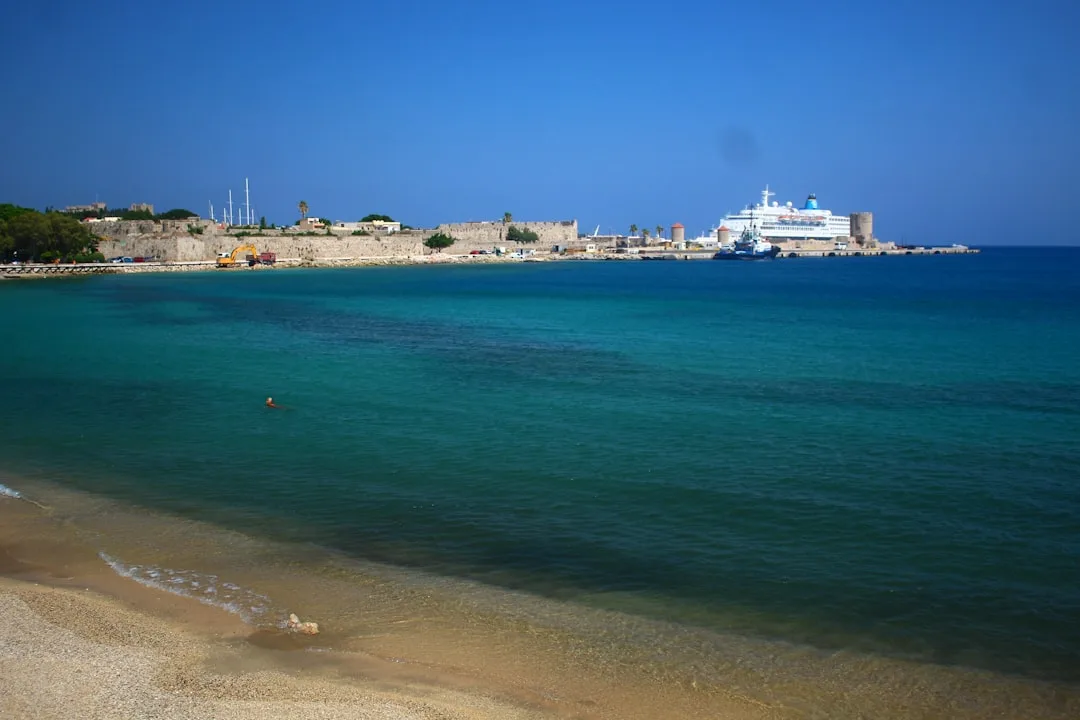
A port day during a cruise — for many, it’s the highlight of the entire trip. Yet without proper planning, excitement quickly turns into stress. Across dozens of ports, the same beginner mistakes show up again and again, and most are easy to avoid. Shore excursions aren’t left to chance — they’re the result of smart preparation.
1. The 60-90-Minute Rule Is Non-Negotiable
This is the golden rule: Be back on board at least 60 to 90 minutes before the scheduled departure time. Not 30 minutes, not 45. A full hour minimum. Why? Because transportation can be delayed, attractions can be unexpectedly crowded, and the journey back to the port always takes longer than you think.
A simple rule of thumb: If your ship departs at 5 p.m., plan to be back in the harbor by 3:30 p.m. It sounds conservative, but it prevents scenarios where you’re snorkeling during the last excursion and realize the return journey takes 45 minutes.
2. Book Attractions and Tickets Online Well in Advance
Popular attractions sell out quickly, especially during peak season. A museum with availability in the morning might be fully booked by noon. Platforms like GetYourGuide, Viator, or Klook let you secure entry tickets weeks ahead — often at better prices than at the gate.
Recommended: Book critical attractions in the first two weeks after booking your cruise. This saves both time at the port and often 15 to 25 percent of the cost. A Uffizi Gallery reservation in Florence, for example, costs $28 (approx. 26 euros) online but $42 (approx. 39 euros) at the counter.
3. Choose Deliberately: Cruise Line vs. Third-Party Operators
Cruise lines offer shore excursions — convenient, but expensive. A four-hour city tour easily costs $85 (approx. 78 euros) per person. The same tour on GetYourGuide costs $38 (approx. 35 euros). The difference lies in what you’re paying for.
Cruise line excursions make sense if you’re uncertain or visiting new countries where you don’t speak the language. They pick you up directly at the ship, guarantee on-time return, and provide English-speaking guides. For experienced travelers or ports close to city centers (Barcelona, Lisbon, Palma), third-party booking is worth it.
A sensible strategy: Book 1–2 cruise line excursions as a safety net, then try external operators for straightforward destinations.
4. Exploring On Your Own: Structure, Not Chaos
“On your own” doesn’t mean wandering aimlessly with a backpack. It means structured independence. Download offline maps (Google Maps, MAPS.ME) — data abroad is expensive and slow. Research available transportation beforehand: taxis, public transit, bike rentals, hop-on-hop-off buses.
In Barcelona, you can take the metro directly from the port to downtown (20 minutes). In smaller ports like Civitavecchia (Rome), it takes 90 minutes by train. The difference is massive — only avoidable through advance research.
5. Understanding Port Typologies
Ports function differently. Large metropolitan ports (Barcelona, Lisbon, Hamburg) have infrastructure — metro systems, buses, car rentals. Solo exploration works great here. Smaller resort ports (Portorose, Sochi) typically have only taxis and local operators; cruise line excursions often make sense. Remote destinations like Norwegian or Alaska ports require longer transfers — cruise line guarantees are worth their weight in gold.
For each port, analyze: How far is the nearest attraction? Can I reach it without a car? Do people speak English? Your answers determine whether to go independently or with the cruise line.
6. Currency Exchange and Going Cashless
Some ports are cashless (Scandinavia, Benelux); others run entirely on cash (parts of Turkey, Egypt). ATM exchange rates at the port are often poor — exchanging $50 (approx. 46 euros) without comparing rates first rarely pays off.
A better approach: Exchange money before the trip through your bank or use an ATM (often cheaper than money changers). Credit cards as backup, cash for small purchases. This typically costs 1–2 percent in fees rather than 5–8 percent.
7. Safety and Insurance Shouldn’t Be Overlooked
Not every excursion includes built-in protection. Cruise line excursions provide their liability coverage. With third-party operators, clarify what’s covered in case of damage. More importantly: travel insurance. If an attraction closes unexpectedly due to weather or your rental operator goes bankrupt, a solid travel insurance policy protects you.
Optional trip protection covering activities and excursions is worth considering. It costs an extra $30–$55 (approx. 28–51 euros) per cruise but can save far more when an activity provider shuts down unexpectedly.
8. Document Pickup and Return Times Clearly
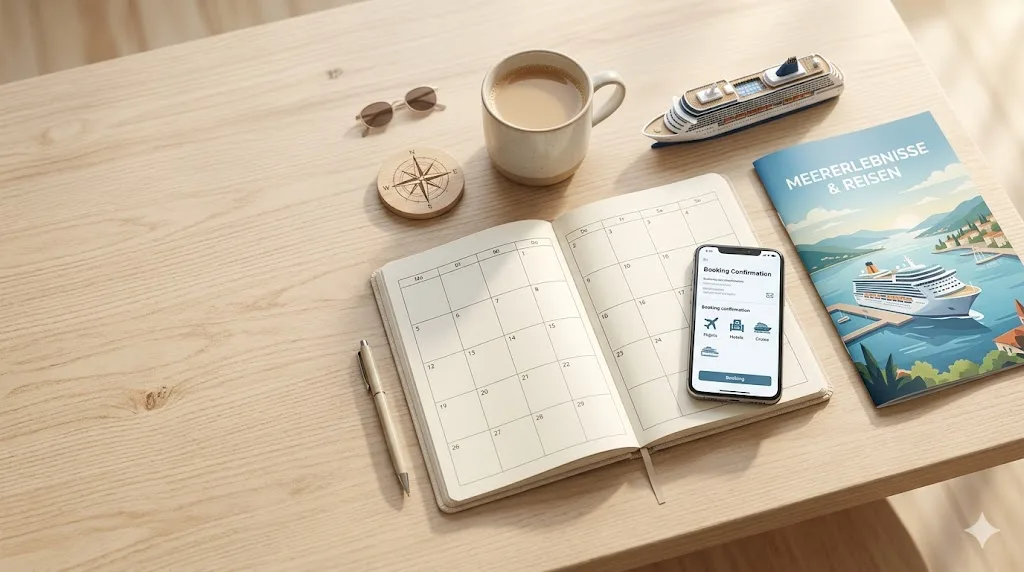
Many cruise passengers underestimate the logistical side. When you book a cruise line excursion, you receive an exact pickup time at the port — write it down. The same applies to third-party operators: GetYourGuide and Viator display the meeting point and time; save this on your phone. Photograph the booking confirmation and screenshot Google Maps with the meeting point — that way you can ask someone for directions if you get lost.
An additional safety measure: Tell someone on the ship about your day plan. Note which excursion you’ve booked, roughly where you’ll be, and when you should return. It takes two minutes but pays off if your return bus runs late and the ship’s front desk needs to know you’re still ashore.
9. Know Your Alternative Routes Back
What’s Plan B if your return transport falls through? If you’re with the cruise line, they handle it. With external operators, you should know how else to get back to the port. An Uber, a regular taxi, or public transport — research these options beforehand. In Barcelona, an Uber back to the port costs roughly $20 (approx. 18 euros); in Civitavecchia, about $38 (approx. 35 euros). Knowing these figures in advance prevents panicked decisions.
Be cautious of taxi drivers who approach you at the port or attractions offering inflated rates. Use a taxi app instead or call for a regular cab. Costs are then predictable.
From Chaos to Strategy
The seven to nine tips work together. Time management plus advance booking plus right excursion choice plus backup plan equals stress-free port days. The best memory of a port isn’t shaped by panic but by deliberate planning. Whether you visit the Sagrada Familia in Barcelona or spend the day at a Palma beach — plan it actively, not reactively. With these strategies, your next port days will be pure enjoyment.