Save on Transport: Trains & Buses Over Flights
How backpackers can cut travel transport costs by up to 80% using trains, buses, and local transport. Practical tips for Southeast Asia and beyond.
TravelFeelings Editorial Team
Early trips through Southeast Asia often turn expensive—not because of hostels or food, but because of internal flights. Bangkok to Phuket, Phuket to the islands, eventually up to Koh Samui. Each flight seems cheap at booking—$32, $43—but together they add up to more than accommodation. The obvious lesson comes fast: trains and buses cut those costs by up to 80 percent. Here’s how it works.
Trains and buses aren’t romantic. They’re economical.
Buses are the backbone of Southeast Asia’s long-distance transport. A ticket from Bangkok to Chiang Mai on the VIP line costs $5–7 (180–250 THB). The same trip by plane starts at $22, plus airport transfers. It’s not philosophy. It’s math.
The downside: bus rides take longer. Bangkok to the islands is 12–15 hours by bus via ferry; by plane it’s 1.5 hours plus 2 hours of airport hassle. But if you’re drifting through anyway with no rigid schedule, the extra hours aren’t a burden—you sleep and wake up 200 km further along.
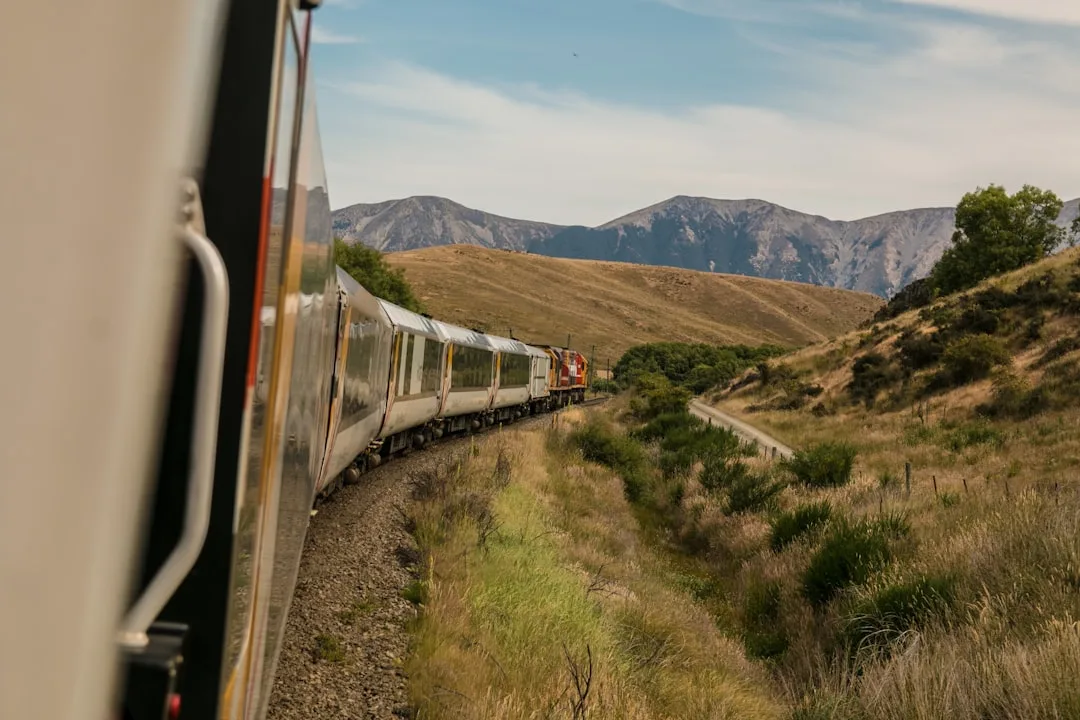
Trains are more comfortable and only marginally pricier. A sleeper cabin Bangkok–Chiang Mai costs roughly $16–21 (600–800 THB). You get a bed instead of a bus seat, a shower, easier journey. Thailand and Vietnam’s national railways run overnight sleeper routes calibrated exactly for backpacker budgets.
The best booking platform is bigger than any single country
12Go Asia is the standard for Southeast Asia (Cambodia, Laos, Thailand, Vietnam, Indonesia, Philippines, Malaysia, Myanmar). The site is in English, has real traveler reviews, and booking works even if you’ve got creative backpacker payment methods. Commissions are low, failure rates are minimal.
In Europe, Omio (formerly GoEuro) and BusBud work similarly. Omio connects German transit systems, FlixBus, and smaller operators. BusBud covers North America. Both are reliable.
What you shouldn’t do: book directly with bus companies if you don’t know whether they actually exist. The tiny price saving (2–5%) isn’t worth the risk—tickets rejected because the company went bankrupt last month.
Timing: When ticket prices are actually low
The common advice says: “Book 6 weeks ahead!” For backpackers that’s nonsense. Bus prices don’t fluctuate like flight prices; they’re relatively stable.
What actually works:
- Book 1–2 weeks ahead. Early enough for selection, not so early you’re locking down a 45-day schedule.
- Avoid peak seasons (December–January in Thailand). If your trip is flexible, squeeze in early November or February—prices drop 10–30%.
- Don’t travel weekends. Monday, Tuesday, Wednesday are cheaper than Friday/Saturday because holiday-takers aren’t traveling.
- Night buses and trains cost more than daytime options—that’s the only real price secret. If budget is primary: day journeys are cheaper. But if you save on accommodation, the math flips.
Motorbikes and local transport: The next savings level
For $11 (about 400 THB) a day you can rent a scooter in Thailand—for day trips or exploring provincial towns. The risk is real (accident insurance, traffic police, theft), but it’s calculable for backpacker standards. Local transport options make Thailand especially attractive for budget travelers.
Local minivans (“Songthaew” in Thailand) cost $0.60–1.50 (20–50 THB) per seat. They run day routes, departure times are flexible (“we leave when full”), and you meet actual travelers instead of just hostel backpackers.
Island ferries are cheap ($1–5 for standard passenger ferries), and many are genuinely better experience than transport alone. The ferries through Phang-Nga’s archipelago are pocket-friendly and prettier than any paid “island-hopping tour.”
Sample math: Realistic costs
Bangkok to South Korea. Direct flight: minimum $65 (Asia AirAsia), often $85–110.
Alternative route over land + sea + rail:
- Bangkok to Thai islands (bus + ferry, 12Go): $9
- South Thailand ferry to Malaysia (Penang): $16
- Penang to Kuala Lumpur (train or bus): $9
- Kuala Lumpur to Busan via cargo ship: $43–86 (some take passengers)
- Busan to Seoul (train): $38
Total: $115. Not cheaper than the flight, but takes 8–10 days instead of 12 hours. Only worth it if you’re stopping anyway.
The real savings isn’t “avoiding all flights”—that’s utopian on long trips. It’s replacing regional flights with buses and trains. A budget backpacker flies to Thailand once, then uses bus/train/ship for the next 2–3 months. That saves the $215–325 those “hopper flights” would cost.
The psychological part
Long bus rides aren’t for everyone. Some people get worn down by sitting. Some get nauseous. Here’s the real part: after three overnight journeys your body becomes boredom-resistant. The fourth night drive is like a day at the hostel—you sleep, wake up, the route changed.
The actual problem-zone is bad buses. A VIP bus has reclining seats, AC, toilets—still “boring sitting,” but it’s tolerable. A budget bus has normal seats, no AC in summer, and your seatmate wants conversation. That’s not relaxing.
The trick: spend $3–4 more and take VIP/First-Class. The comfort jump is wild, the cost difference negligible. From “$13 standard bus” to “$17 VIP bus” isn’t “going broke,” it’s rational.
What works in Southeast Asian transport zones, what doesn’t
What works:
- 12Go for all Southeast Asian buses and trains—reliable, fast, local payment methods
- Night buses if you’ve solved the sleep problem
- Local ferries (small boats)—cheap, safer than they look, authentic
- Motorbike rentals for day exploration
- Sleeper trains in Thailand and Vietnam
What doesn’t work:
- Booking directly with bus companies via badly-translated websites (“Hi Sir, here car for u?”)—scam signal
- Spontaneous booking at counters in tourist zones (Khao San Road)—you pay 50% tourism markup
- Expecting first-world comfort—it sets you up for disappointment because it won’t happen
The unglamorous truth: buses are cold and loud and monotonous. But they’re cheap and legal and relatively safe. Whoever stops romanticizing buses after the fifth “it’s just a train to Chiang Mai” and just sleeps has learned the core skill of long-term budget travel.
Checklist for your next trip
- Sign up on 12Go.asia or Omio (whichever fits your continent)
- Write down route ideas but lock dates only 1–2 weeks ahead
- Avoid peak seasons or negotiate with them: December–January, Easter—double prices, full buses
- Book an overnight if it costs less than a hostel bed + fits your timeline
- Don’t buy “mega luxury sleeper” if you’re staring at the same window every night—monotony is monotony
- Accept that a Bangkok train takes 5 hours and WiFi drops sometimes—both are normal
- Calculate beforehand: how much money do you really save if this trip takes 8 hours instead of 2?
The answer is usually: not as much as you think. But enough that it adds up.