Altitude Acclimatization: Safe Alpine Trekking Strategy
Master altitude acclimatization, prevent mountain sickness, and safely summit alpine peaks with proven strategies.
TravelFeelings Editorial Team
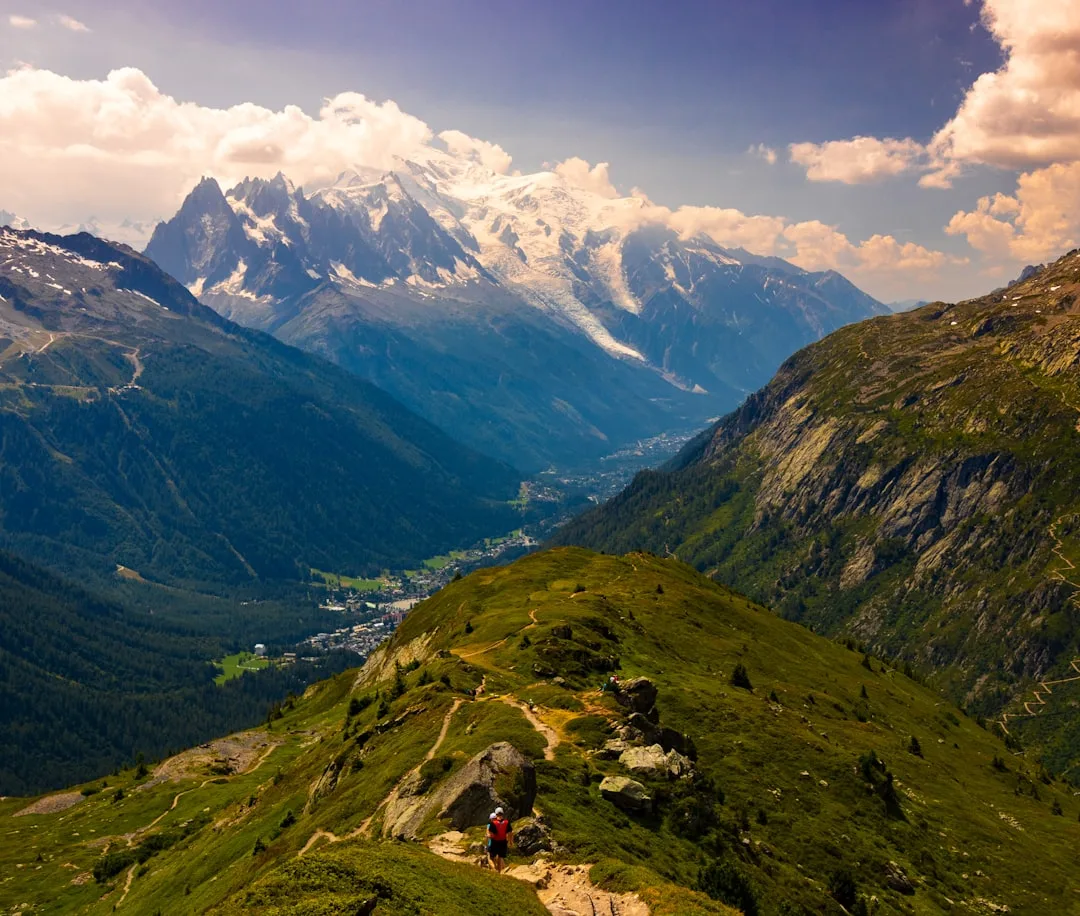
Trekking above 8,000 feet in the Alps brings you into territory where the rules change. The oxygen percentage in the air stays the same, but the barometric pressure drops. Your lungs work harder. Your body doesn’t adapt in hours — it adapts in days. That’s acclimatization, and it’s non-negotiable if you want to summit safely.
Why Altitude Affects Everyone
Altitude sickness doesn’t care about your fitness level. Marathon runners get it. Weekend hikers get it. The deciding factor is time.
Above 8,000 feet, especially above 10,000 feet, acute mountain sickness (AMS) starts showing up: headaches, nausea, sleep disruption, fatigue out of proportion to the effort. Your body is telling you it doesn’t have enough oxygen. Symptoms can begin as low as 8,200 feet, though 10,000 feet is the typical threshold.
The mechanism is simple: Your red blood cells carry oxygen. At sea level, they’re saturated. At altitude, they work overtime. Your body responds by producing more red blood cells — but that takes days, not hours.
Sleep Altitude Trumps Everything
Here’s the counterintuitive part: The biggest problems happen at night in the mountain hut, not during the day on the trail. Your body adapts during sleep. If you sleep too high too fast, sleep quality suffers, and adaptation stalls.
The golden rule: Increase your sleeping elevation by no more than 1,000 feet per night. If you must go higher than that, stay two nights at the same elevation. It sounds slow. It’s the most effective defense against mountain sickness.
The tactic called “climb high, sleep low” works because daylight hours at altitude train your body, but sleeping lower gives you recovery. That’s basic physiology.
Pre-Trip Training
One to two weeks before departure, train at elevation if you can. In North America, spend nights at 7,500–8,000 feet (Colorado, Rocky Mountains) and hike to 10,000 feet by day. The adaptation holds for about two weeks, then fades.
Timing matters: train three weeks before departure and the adaptation fades by the time you leave; train one week before, and it’s still active. That’s your window.
If pre-trip elevation training isn’t possible, arrive 2–3 days before your trek starts, not the morning of. Use those days for easier 10,000-foot peaks. Mountain climbers who do this have statistically higher summit success than those arriving on tour day.
Recognizing Acute Mountain Sickness
AMS sneaks up. You might have a headache that doesn’t respond to ibuprofen. Or unusual fatigue, or nausea. Sleep becomes weird — you’re tired but can’t sleep properly.
Red flags:
- Headache that intensifies despite pain relief
- Loss of appetite
- Shortness of breath on easy terrain
- Dizziness or confusion
- Difficulty with coordination
One test: Can you walk and talk at the same pace? That’s baseline. If talking becomes hard, consider descending.
Critical insight: Many trekkers hide symptoms to stay with the group. That’s dangerous. Open communication about how you’re feeling is the foundation of safe alpinism.
If symptoms don’t improve within 24 hours, you must descend. Altitude sickness can worsen rapidly, and descent is the only reliable cure.
Practical Tactics During the Trek
Hydration is your first lever. Your body loses water faster at altitude. Drink significantly more than sea level — roughly 4–5 liters per day. Your urine should be colorless. Add electrolyte powder to water; plain water alone isn’t enough.
Carbohydrates are your fuel. Your body uses carbs more efficiently at altitude than fats. Eat frequently and light rather than heavy meals.
Skip alcohol and sleeping pills. Both suppress your respiratory drive, which is the opposite of what you need.
Pace is central. Slow ascent is acclimatization. Move at a speed where you can speak without gasping. “Pole, pole” as they say in East Africa — slowly, slowly.
Premier Alpine Treks
For your first alpine season, three classics stand out. The Tour du Mont Blanc is the entry point, roughly 105 miles over two weeks, relatively beginner-friendly. The Walker’s Haute Route from Chamonix to Zermatt is more demanding: 70 miles, 11 alpine passes, over 40,000 feet of ascent. The Alta Via 1 in the Dolomites sits between them: 46 miles over 11 days, excellent for altitude training.
Each teaches your body how to work in thin air.
Acclimatization Is Respect
Altitude acclimatization is respect for what the mountains actually require. The mountain doesn’t care about your resume. It responds to your timing, your hydration, your pace, your honesty about how you feel.
Give yourself and your body time. Take symptoms seriously. Communicate openly. Do that, and the Alps become a partnership between you and one of Earth’s greatest landscapes.