List
Family-Friendly Hidden Gems: Europe's Alternatives
Discover underrated European family destinations away from tourist crowds—with practical tips for school holidays, budgets, and mixed ages.
TravelFeelings Editorial Team13 min.
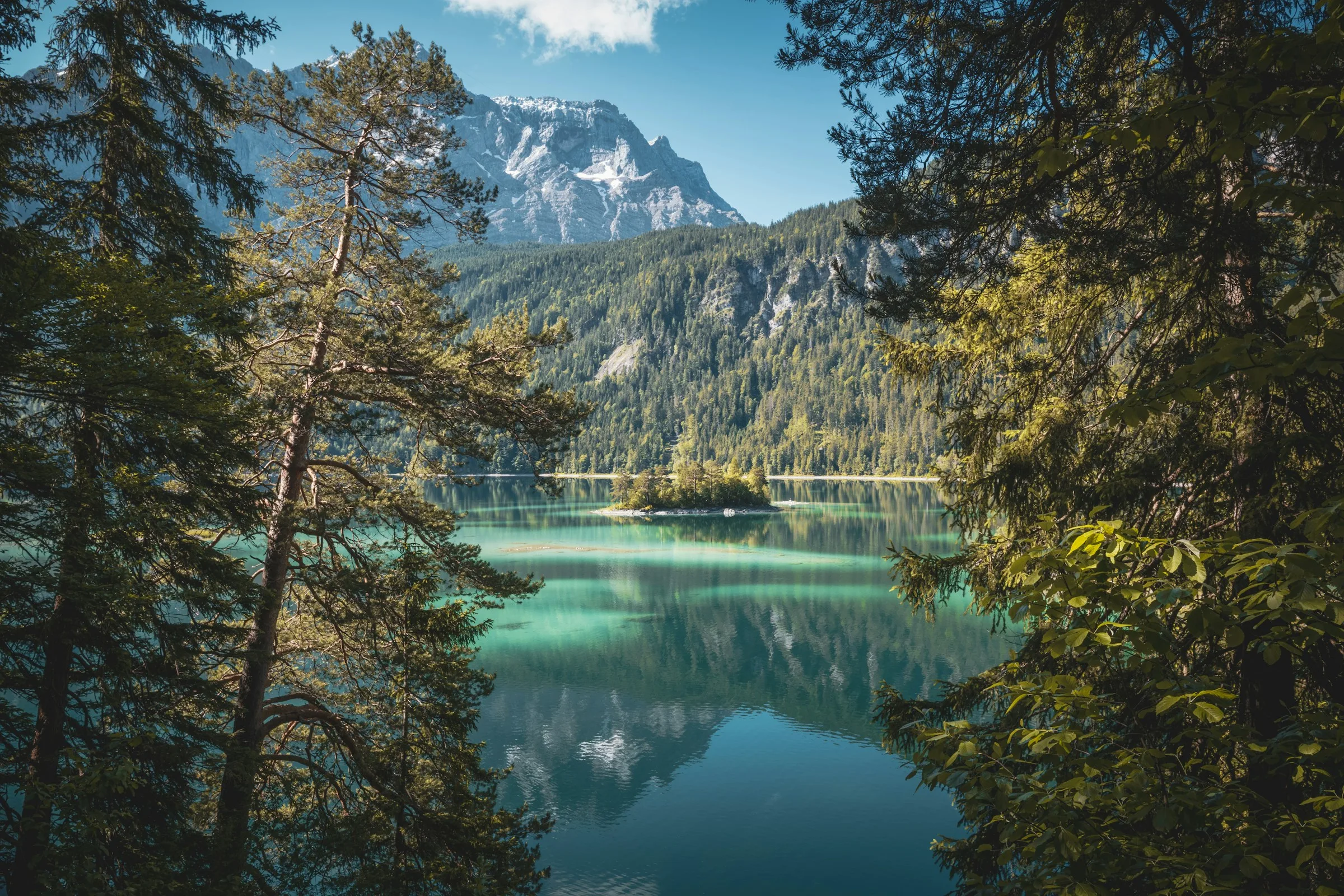
Germany · Alpine Foothills / Alps
Bavaria blends Alpine drama with castle-studded valleys. A year-round family destination: hiking and lakes in summer, skiing in winter, culture year-round.
Bavaria’s appeal lies in the contrast between architectural monuments and rugged natural landscapes. Neuschwanstein Castle near Schwangau is Germany’s most-visited fortress — Walt Disney drew inspiration from it for his fairy-tale castle. The white limestone walls photograph well at any hour, though the crowds are substantial. Tickets must be reserved online in advance (12–20 euros per person); the 90-minute tour fills quickly in summer.
Zugspitze (2,962 m) is Germany’s highest mountain and accessible by cog railway from Garmisch-Partenkirchen. The 75-minute ride offers panoramic views across to Austria and the Allgäu Alps on clear days. Round-trip costs approximately 65–80 euros. For families with young children, note that the last downward train departs at 5 PM; summit trails are only suitable for experienced mountaineers.
Munich is Bavaria’s cultural anchor. The Deutsches Museum on Museum Island documents science and technology across multiple buildings — one of the world’s largest technical museums, unavoidable for science-minded families (admission about 14 euros). Hellabrunn Zoo shows big cats, primates, and birds in enclosures that feel less artificial than many European zoos (around 17 euros per person). Frauenkirche and Marienplatz are architecturally significant but heavily touristed; arrive before 9 AM for better photographs.
Lake Chiemsee, Bavaria’s largest freshwater lake, lies 90 km east of Munich. The highlight is Herrenchiemsee Palace, King Ludwig II’s Versailles interpretation on an island (ferry included, roughly 15 euros round-trip). Summer crowds cluster at the lakeshore; autumn is quieter. Swimmers who skip the palace visit find cheaper beach access at Übersee or Chieming.
Lake Königssee near Berchtesgaden is famous for its vertical cliffs and crystalline water. Electric passenger boats run hourly (7 euros one-way). The catch: parking fills by 8 AM in summer. Stay overnight in Berchtesgaden and swim in the early morning instead.
Linderhof Palace, King Ludwig II’s favorite residence, sits in a valley near Ettal — less monumental than Neuschwanstein but mercifully less crowded. The landscaped grounds include an ornate Venus Grotto. Admission is about 15 euros; guided tours (mandatory, roughly 1 hour) run regularly.
Mittenwald is a village in the Isar valley decorated with Lüftlmalerei — 18th-century painted frescoes covering house facades. Heavily touristed in summer with camera-wielding crowds, yet visually coherent and worth the detour. Parking is tight; for hikers, nearby mountain huts offer quieter experiences.
Rothenburg ob der Tauber is a medieval walled town with cobblestone streets and souvenir shops — heavily commercialized but architecturally unified. The town-wall walk (roughly 2 hours) is free. Overnight stays are recommended to experience the quiet after day-trippers leave.
Berchtesgaden functions as a spa town (famous for salt) with Kneipp water-therapy offerings. The surrounding Salzburg region offers hiking into the Untersberg massif. Day trips to Salzburg, Austria, are short (40 km).
The Dachau Memorial Site (45 km, 45 minutes) documents Nazi-era history and the concentration camp remains. Visiting is free; audioguide rental costs about 5 euros. Emotionally demanding but historically necessary.
Lake Starnberg (40 km south, 1 hour by S-train) is Munich’s favorite recreational lake. Swimming areas exist but are crowded in peak season. Cultural note: King Ludwig II drowned here in 1886; a memorial marks the location. Autumn visits are markedly less crowded.
Chiemsee (80 km, 1.5 hours) was mentioned above — Herrenchiemsee Palace is the main draw. Alternatively, visit the beach towns of Übersee or Chieming for swimming without palace entrance fees.
Zugspitze via Garmisch-Partenkirchen (100 km, 1.5 hours) serves as both a day-trip destination and a hiking base. The town itself is a mountain resort with extensive trail networks. Cable car tours into the Karwendel massif often suit families better than ascending the peak.
Mittenwald (100 km, 1.5 hours) and the Lüftlmalerei villages in the Ötztal (bordering Austria) appeal to photographers and hikers. Those interested in exploring Austria find the Zillertal only 30 km further.
Reit im Winkl is a traditional ski resort less overrun than Garmisch or Mittenwald. Summer brings hiking to alpine pastures; winter offers family-friendly skiing at reasonable rates.
The Altmühl Valley north of Ingolstadt is paradise for fossil hunters — a river cuts through Jurassic and Triassic layers. Canoe trips are possible with children. Lodging is simple and affordable.
Föhn windows — a meteorological phenomenon — see warm southern winds in winter raise temperatures by 10 degrees and dissolve valley fog. When forecasts show Föhn conditions, seize the opportunity.
Small mountain villages like Schlehdorf, Benediktbeuern, or Murnau offer hiking without extreme altitude — ideal for families with younger children. Nearby monasteries, lakes, and cafés add variety.
| January | February | March | April | May | June | July | August | September | October | November | December |
|---|---|---|---|---|---|---|---|---|---|---|---|
| Low | Low | Sweet Spot | Sweet Spot | Peak | Peak | Peak | Peak | Sweet Spot | Sweet Spot | Low | Low |
3° -3° | 5° -3° | 10° 0° | 14° 4° | 19° 9° | 22° 12° | 24° 14° | 23° 13° | 20° 10° | 14° 5° | 8° 1° | 4° -2° |
Bavaria’s climate is decidedly seasonal. Summer (June–September) is the preferred window: hiking is practical, mountain lakes are swimmable (though cold, roughly 15–18 °C), beer gardens are full, and nights stay light. School holidays in July–August coincide with peak prices and crowds.
Spring (April–May) brings flowers and fewer tourists but wet weather. May registers the highest rainfall; snow is rare but possible.
Autumn (September–October) is underrated: foliage, fewer crowds, pleasant hiking temperatures. Oktoberfest (mid-September through early October) draws 6 million visitors annually; beer and traditional dress enthusiasts book early, while those seeking peace avoid September entirely.
Winter (December–February) splits Bavaria into two zones: rain in Munich and lower elevations, snow in the Alps and Allgäu mountains. Zugspitze and small ski areas operate then. December and January peak for skiers. February brings first glimpses of Föhn wind and spring thaw.
For families: June–September requires no special equipment (warm days, cold lakes for cooling off). December–February demands mountain experience and proper gear but rewards with nearly empty ski facilities.
Oktoberfest is Bavaria’s cultural export: over 6 million visitors annually, traditional dress everywhere, beer tents, live music. Contrary to its name, it runs from mid-September through early October (in 2026: September 19–October 4). Reality: loud, overpriced, but culturally authentic. Families manage until 4 PM; after that, alcohol dominates the atmosphere.
Weißwurst is a ritualized breakfast: a mild veal-and-pork sausage served with sweet mustard and a pretzel, accompanied by beer. Traditionally, Weißwurst is never eaten after noon — an unwritten rule actually followed. The sausage tastes delicate and lightly seasoned.
Tracht (Bavarian costume) — leather trousers for men, dirndl for women — is not purely touristic. Rural areas and folk festivals see people wear it genuinely. Tourist-shop purchases exist but ring hollow.
Beer garden culture differs from ordinary pubs: large outdoor spaces, communal tables, self-service beer (Maß = 1-liter mug, roughly 8–12 euros), and patrons eating their own brought food is standard. English Garden in Munich is Europe’s largest beer garden (capacity 7,000 concurrent guests).
Bavarian dialect is notoriously difficult for non-Bavarians to follow (phonetic shifts, grammar variations). Taxi drivers, restaurant staff, and tourism personnel speak standard German; locals converse in dialect among themselves.
Bringing young children to Oktoberfest: The festival is inhospitable to families. Loud, crowded, alcohol-saturated, late nights, limited family menus. Families with kids should skip September entirely.
Parking in Munich: Expensive (15–25 euros per day), tight, time-consuming. Public transport (MVV network) is reliable; rental cars make sense only for Alpine excursions.
Underestimating peak-season prices: Neuschwanstein tickets require online reservation and cost 12–20 euros per person. Herrenchiemsee similar. July–August hotels surge in price. Research attraction fees before arrival.
Ticks: June through October, tick risk is high in grassy and wooded areas. After every hike, inspect your entire body (ticks are small, pea-sized). FSME vaccination is recommended (zoonotic disease risk in Bavaria is moderate to high). Removal: use tweezers to grasp the tick directly at the skin, pull slowly, do not squeeze (risk of pathogen transfer).
High altitude at Zugspitze: Zugspitze’s 2,962 m elevation rarely causes acute mountain sickness in healthy adults, but mild headache and shortness of breath are normal. Children under 10 should ascend slowly. Pre-existing lung disease (asthma) is contraindicated. Descent is faster than ascent; the railway offers a bail-out option.
Mountain weather shifts rapidly: Summer thunderstorms can develop without warning. Start hikes before 2 PM; plan to descend by 5 PM.
Arrival: From Germany, the A9 (Berlin–Munich Autobahn) or A8 (Stuttgart–Munich) connect major cities. From Switzerland and Austria, Alpine pass roads (Brenner, Ötztal) provide routes. Trains: ICE and EC services connect Munich to major European hubs daily; direct international service from Austria, Switzerland, Czechia, and Poland.
In Munich: The MVV network (Munich Public Transport Association) comprises 8 U-Bahn (subway) lines, 13 tram lines, 69 bus routes, and 8 S-Bahn (commuter rail) lines. Single tickets cost 3–4 euros; a 4-ticket day card runs about 30 euros. MVV covers central Munich and suburbs; for day trips to Chiemsee or Ammersee, the Bayern-Ticket is more economical.
Bayern-Ticket (Bavaria Pass) cost approximately 45 euros in 2025 (valid Monday–Friday) or 32 euros (Saturday–Sunday) per person, or one shared ticket for groups up to 5 people. It covers all regional trains (RE, RB) and S-Bahn throughout Bavaria plus the MVV system in Munich. Perfect for day trips to Dachau, Lake Starnberg, or Chiemsee.
Rental cars make sense if exploring the Alps (Garmisch, Berchtesgaden, Mittenwald) independently. Car rental firms (Avis, Hertz, Sixt) offer compact cars from 35 euros per day. Fuel costs roughly 1.60–1.80 euros per liter (as of 2026). Maut (road toll) is free in Germany — no vignette required as in Austria or Switzerland.
Mountain cable cars: Zugspitze railway, Karwendel cable car, and various ski lifts access hiking areas. Zugspitze round-trip costs approximately 65–80 euros. Smaller lifts run 10–20 euros.
EU citizens need no visa. A valid national ID card or passport suffices. The document must be valid at entry (no expired dates); validity duration after entry is irrelevant — a common misunderstanding with Schengen rules.
Non-EU citizens (Australia, USA, Canada, New Zealand) may enter the Schengen zone visa-free for 90 days. The Schengen permit is not a Germany-specific visa; it is the European Union’s free-movement rule.
Customs: Standard EU rules apply. Personal quantities of alcohol and tobacco are duty-free; examples: 1 liter spirits, 4 liters wine, 16 liters beer per person. Meat and dairy products from non-EU countries are prohibited (e.g., from UK or Australia). Souvenirs face no restrictions.
Travel insurance: Not mandatory but recommended. EU citizens hold statutory coverage via the EHIC (European Health Insurance Card); dental treatment is excluded. Private insurees should verify coverage before departure.
Vaccinations: No mandatory vaccinations for Germany. FSME vaccination (early summer meningoencephalitis) is recommended if hiking in grassy or forested areas June–October — tick-borne disease risk in Bavaria is moderate to high. The full series requires 3 doses over 12 months (or accelerated schedule: 2 doses in 2 weeks, then a booster). Cost: roughly 50–100 euros per dose (some insurance reimburses partially).
Tap water: Safe throughout Bavaria. Village fountains are potable. Mineral water is available in restaurants and shops (typically 2–3 euros for 750 ml).
Altitude sickness: Zugspitze (2,962 m) sits below the threshold where acute mountain sickness commonly strikes healthy adults. Mild headache and breathlessness are normal. Descent is the best remedy. Children should not ascend too quickly.
Mountain weather: Summer thunderstorms develop suddenly. Begin hikes before 2 PM, descend by 5 PM. Warm layers are advisable even in July (peaks are cold).
General safety: Bavaria ranks among the world’s safest destinations. Petty crime (pickpocketing) is possible in Munich but rare. No travel warnings from the German Foreign Office. Emergency number: 110 (police) or 112 (ambulance/fire).
Updated June 2026. Visa rules and exchange rates change regularly. Consult the German Foreign Office (auswaertiges-amt.de) for current travel warnings.
Discover underrated European family destinations away from tourist crowds—with practical tips for school holidays, budgets, and mixed ages.
How to travel with teenagers without everyone hitting the breaking point – strategies for shared moments and necessary independence.
Practical tips for calm flights with kids — from seat selection strategies to proven entertainment and snacks.
Jet lag doesn't have to derail family trips. With the right strategies for flight timing, light exposure, and sleep routines, families can manage time zone changes smoothly.