Italy with a Toddler: Best Sandy Beaches for Family Trips
Beach vacation in Italy with toddlers is relaxing when planned. Practical tips, family regions, and realistic expectations for sandy beach travel.
TravelFeelings Editorial Team
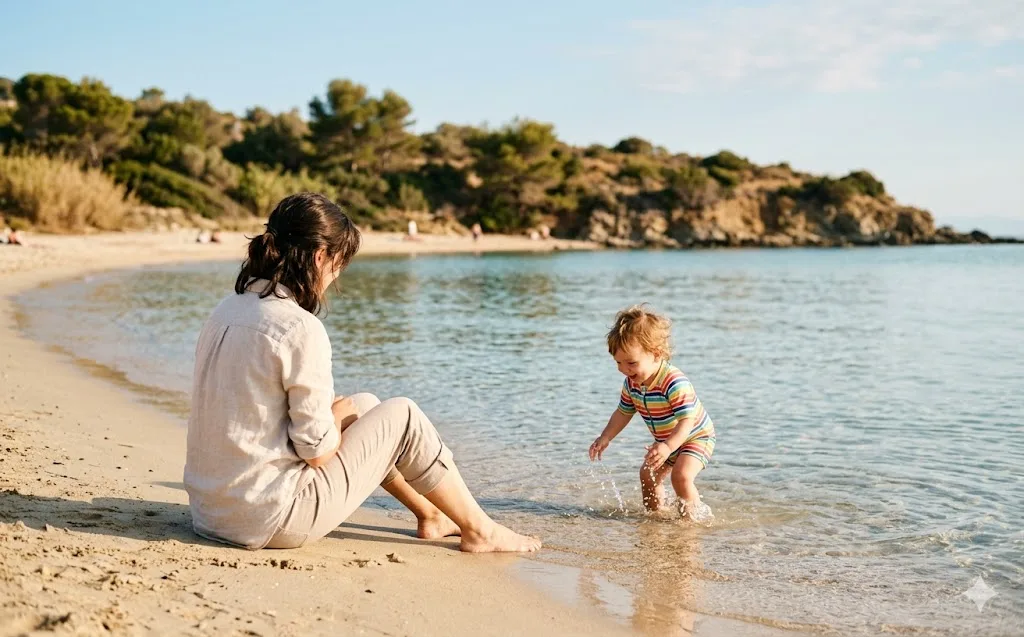
Why Italy Works with Toddlers
Many parents assume a beach vacation with children under three is inherently stressful. That’s incomplete thinking. What’s true: traveling to Italy with a toddler follows different rhythms than pre-child vacations — you won’t be diving into the water at dawn, staying all day, or hitting restaurants at night. That simply doesn’t work anymore. What’s also true: if you accept and plan for these new rhythms, the vacation becomes genuinely relaxing for everyone.
This holds true in practice. What makes Italy particularly suitable? The Mediterranean climate with moderate temperatures during the right months, the shallow water in many regions, and crucially: established infrastructure for families. With toddlers, Italy delivers on the basics, because the underlying conditions are genuinely good.
Which Italian Regions Are Best for Toddlers?
Italy doesn’t offer one family coast but several distinct profiles. Which region suits your family depends on your priorities: do you want reliable infrastructure and proven safety, or spectacular water and nature with fewer crowds?
| Region | Water Depth | Best Season | Infrastructure | Character | Drive from Munich |
|---|---|---|---|---|---|
| Adriatic (Emilia-Romagna) | Very shallow (ideal) | May–June, Sept–Oct | Excellent | Classic, touristy, reliable | ~8–10 h |
| Lake Garda | Shallow (ideal) | June–August | Very good | Lake, theme park, mountains | ~7–8 h |
| Sardinia | Shallow to moderate | June–Sept | Good | Spectacular, fewer crowds | ~12 h + flight |
| Sicily | Moderate, warm | June–Sept | Good | Southern, warm, historic | ~13 h + flight |
| Tuscany | Moderate, surf | June–Sept | Very good (upscale) | Golden sand, upscale | ~9–10 h |
The Adriatic: The Proven Classic
The Italian Adriatic in Emilia-Romagna in the north has been the first choice for German and Austrian families for decades — and justifiably so. Places like Lignano Sabbiadoro, Bibione, and Caorle offer broad, fine sandy beaches with water that slopes so gently a one-year-old wades knee-deep for 30 minutes before it gets deeper. Infrastructure is abundant: showers, toilets, deck chairs, ice cream cafés everywhere. Lifeguards are present. Parking exists.
The downside: these places are packed. Very packed. In July and August, you don’t stroll the beach, you navigate between beach towels.
Better to visit in May, June, or September — you get warm water (72–75°F), sunshine, but not the complete occupation of the sand.
Lake Garda: Lake, Not Sea
Lake Garda isn’t the sea, but for small children it’s often superior. The water is pleasantly warm, the southeast shore (Lazise, Bardolino) is shallow and grass-lined. Biggest advantage: Gardaland Theme Park is nearby — your older child has entertainment while your toddler plays on the beach. Downside: it’s freshwater. Some kids prefer saltwater.
Sardinia: Spectacular Water, Higher Logistics
Sardinia has the beaches of childhood dreams: La Cinta near San Teodoro with water so clear you see the bottom at 13 feet. Cala Brandinchi (“Little Tahiti”). Costa Rei with eight kilometers of consistently shallow sand. The water slopes everywhere gradually — perfect for toddlers learning to walk safely.
The catch: getting there. You fly to Olbia or Cagliari, need a rental car, drive 1–2 hours. Then: fewer tourists than the Adriatic, less noise, more nature. Worth the effort.
Sicily: The South, Warm and Historic
San Vito lo Capo on Sicily’s northwest tip deserves recognition: it’s a Green Flag Beach. That means pediatricians have verified the water, sand, and safety as optimal for children under three. Three kilometers of beach, turquoise, current-free. Still warmer than northern regions in September and October.
Getting there: fly to Palermo, then two hours driving. Longest arrival, but southernmost water.
Tuscany: More Upscale Family Travel
Forte dei Marmi is upscale family travel, not the classic budget destination. Golden sand, stabilimenti (beach clubs) with entertainment, expensive hotels. Shallow enough for toddlers, but you pay two to three times the Adriatic price point.
Specific Town Recommendations for Toddlers
Now to practicality. Which towns should you seriously consider?
If safety and infrastructure come first: Lignano Sabbiadoro (Adriatic). Massive offerings: Aquasplash Waterpark for the whole family, playgrounds, beach animation directly at the shore, doctors and pharmacies everywhere. The water is thigh-deep-flat, the sand white and fine. Beach clubs rent umbrellas, and you sit next to hundreds of other families — some love it, some don’t.
If you want fewer crowds but solid infrastructure: Roseto degli Abruzzi (Abruzzo, northern Adriatic). Underrated. The water is as shallow as Lignano but beaches are less crowded. Behind the beach a pine forest with playgrounds and shade — that’s gold with toddlers. Less animation, but genuine rest.
If you want spectacular water and nature combined: La Cinta near San Teodoro, Sardinia. The water here is the clearest shallow water you’ll ever see. Beach is large, less packed, infrastructure exists (parking, restaurant, showers) but not intrusive. A compromise between wilderness and comfort.
If you want south and warm but no long flight: Pescoluse, Puglia (the heel). Five kilometers of white sand, gradually shallow water, milder tourist streams than the Adriatic but still Italian-organized — bars, deck chairs, doctors. July and August hit 86°F+ (too hot for babies under 18 months), but May, June, and September are golden.
If you prefer lakes: Lazise, Lake Garda. Large sandy beach with grass areas, water so shallow two-year-olds can wade 20 minutes. Gardaland is 10 minutes by car — perfect if you need to entertain an older sibling simultaneously.
Italy’s Most Beautiful Sandy Beaches for Families
Beyond towns — here are specific beaches worth seeking out:
-
La Cinta (San Teodoro, Sardinia). Fine golden sand, pool-like water, eight kilometers long, large parking area. Restaurants right at the shore, showers, toilets for toddler emergencies. The water stays shallow for 100+ meters.
-
Pescoluse (Lecce, Puglia). The “Maldives of the Adriatic” — five kilometers of white sand, extremely shallow. Less crowded than the northern Adriatic but not wild. Lifeguards, beach clubs, full infrastructure.
-
Spiaggia di Roseto (Roseto degli Abruzzi, Abruzzo). Wide beach, dense pine forest behind it, very shallow, less touristy than Lignano. Ideal if you want quiet with infrastructure.
-
Spiaggia di Lazise (Lake Garda). The largest sandy beach on Lake Garda, very shallow, clean freshwater. Ideal if you prefer lakes and want amusement parks nearby.
-
San Vito lo Capo (Mondello, Sicily). Turquoise, Green Flag certified, 3 kilometers, current-free, already mentioned above. Warmest option in September and October.
These beaches share a profile: they’re broad enough that you’re not packing towel-to-towel, shallow enough that toddlers can play safely, and well-equipped enough that you’re not stranded.
Best Travel Time and Practical Planning
Timing Is Everything
The most critical planning detail is the month you travel. Many families travel in July or August because schools are closed. That’s a strategic mistake with children under two.
Why? Southern Italian temperatures hit 86°F+ in July and August — too much for baby skin. A one-year-old can’t cool efficiently. Result: overheating, fussiness, poor sleep. For you: an irritable child, exhaustion, vacation stress.
Better: May, June, or September–early October. Air temperatures hit 72–82°F — comfortable for everyone. Water warms to 64–75°F — warm enough not to shock. Beaches are less packed than peak season. Flights cost 20–40% less.
If you’re school-bound, use weekdays outside school holidays. That’s simply practical. A Tuesday in June on the Adriatic is a different experience than a Saturday in July.
The Daily Rhythm — Proven Across Thousands of Family Trips
The classic beach day (early arrival, all day, late departure) doesn’t work with toddlers. That’s biology at work. A one-year-old has different rhythms than an adult.
8:00–11:00 AM — Morning Beach. Your child is rested, the sun not too intense. This is time for active play: water, sand, exploration. Under 18 months: 20–30 minutes in water, then sand. Ages 18–36 months: up to 45 minutes in water.
11:30 AM–3:00 PM — Midday Break. Back to your rental. Warm meal (not snacks), nap in a cool, dark room. This break is your sanity source. A rested toddler this afternoon is a happy toddler. An overstimulated one is a disaster.
3:00–6:00 PM — Afternoon. Gentle beach time, no pressure. The sun isn’t glaring anymore. Relaxed play, then slow return. 6:00 PM dinner, 7:00 PM bed.
This rhythm sounds rigid. In practice, it’s what frees you up. It means you can drink wine this evening instead of collapsing depleted on a lounger.
Accommodation: Rental Home, Not Hotel
With children under three, a vacation rental is better than a hotel. Why?
- You can cook warm meals (not all restaurants have suitable baby food)
- You can store things (diapers, spare clothes, toys)
- You can enforce afternoon naps without hallway noise
- You have a washing machine (beach days = laundry)
- You pay less than a hotel with a kids’ room
The best rental is a 5–10 minute walk from the beach — close enough to not be a logistics marathon, far enough to not sit in tourist chaos.
Sun Protection — No Compromises
Baby skin under one year has less melanin and a different pH than adult skin. Sunburn in babies means actual injury, not redness.
What to bring to the beach:
- Sunscreen: Mineral filter (zinc oxide, titanium dioxide) SPF 50+. Not the cheapest drugstore brand, but something your child has worn before and doesn’t irritate.
- UV-blocking clothing: Rashguards (swim shirts) for water time, light linen pants for land. It looks odd at first — it’s more effective than constant reapplication.
- Head covering: Wide-brimmed hat (not baseball cap). Ears and neck are critical zones.
- Sunglasses: Only if your child cooperates. Don’t force it.
When applying: don’t be stingy. A teaspoon per body part is the rule. And no, “a little sun is healthy” — that’s a myth. Protection beats exposure with very small children.
Transport and Arrival
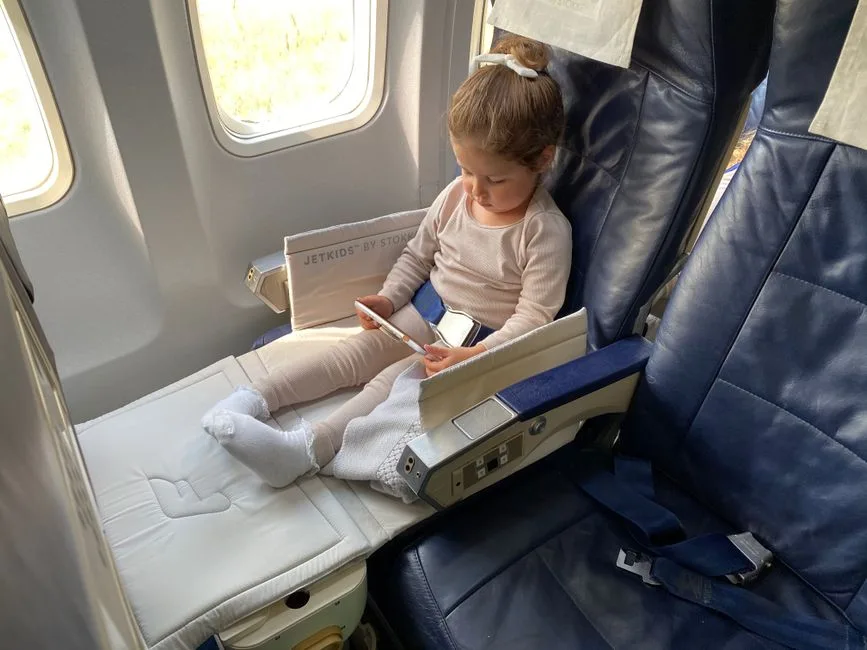
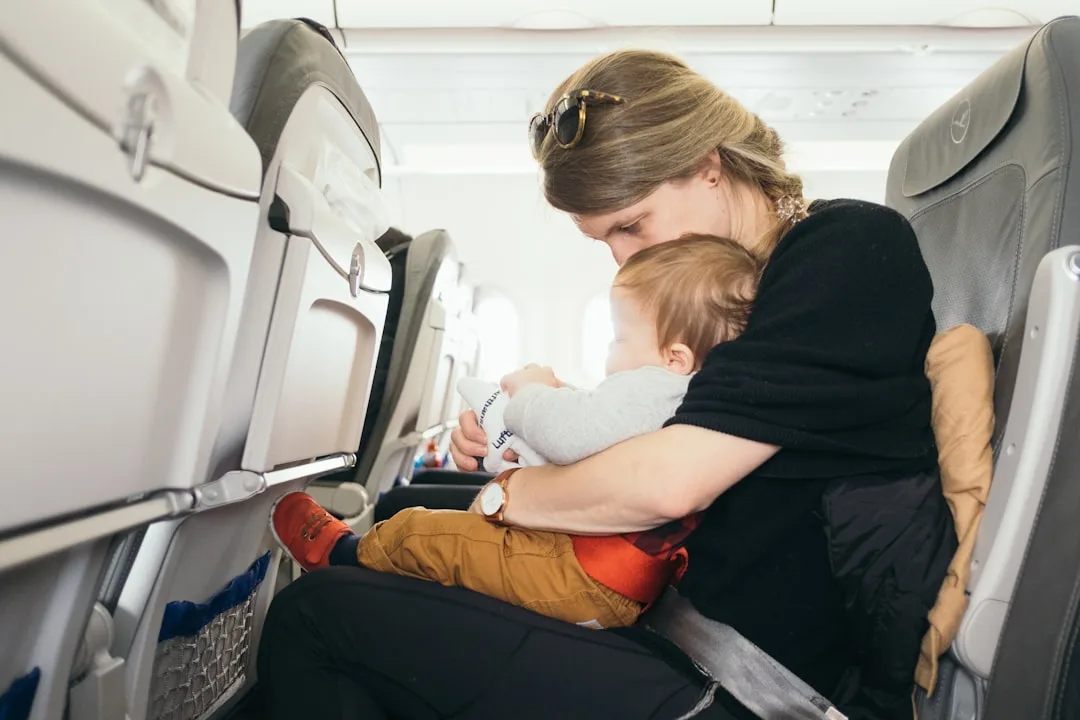
Flying with a toddler: Short to medium flights (2–4 hours) are more manageable than long ones. Lignano, Sardinia, and Sicily require different flight times. Tuscany and the Adriatic can be reached by car too (8–10 hours from Munich — doable with breaks).
Rental car: Use one. Maneuvering a stroller through Italian train stations isn’t romantic.
Time zone: Flights to Sardinia or Sicily don’t change time zones (CET = CEST in summer). You don’t need jet lag management like with long-haul trips.
What Not to Underestimate
Life with toddlers is pragmatic. Here are realities to factor in:
- Changing tables: Not all Italian beaches have them. Bring a portable changing mat.
- Heat and dehydration: Toddlers don’t signal thirst clearly. Offer water every 20–30 minutes — don’t wait for them to ask.
- Overstimulation: An overwhelmed toddler at the beach (light, noise, heat) shuts down. That’s a form of self-protection. Respect it.
- Ear infections: Otitis media after water exposure is common. Dry ears thoroughly with lint-free cloth after every water contact.
Matching a Region to Your Family
The choice comes down to which regional profile fits your family:
- Safety and infrastructure first: Adriatic (Lignano, Bibione)
- Spectacular with fewer crowds: Sardinia (La Cinta)
- Warm and Southern: Sicily (San Vito lo Capo)
- Quiet with infrastructure: Abruzzo (Roseto)
- Lake over sea: Lake Garda (Lazise)
All work. All have shallow water. All are safe if you respect toddlers and plan carefully. The difference comes down to comfort level and atmosphere.
Book May–June or September, not July–August. Choose a rental home, not a hotel. Build a structured daily rhythm. Pack sun protection like a medicine cabinet. Then your vacation becomes what it should be: restorative for everyone, not a test of your nerves.