Paying Abroad Without Hidden Fees – a Complete Guide
Which payment methods save you money? What should you watch out for when withdrawing cash? An overview of foreign transaction fees and practical strategies.
TravelFeelings Editorial Team
The first ATM abroad raises an inevitable question: where do you get the best exchange rate and how do you avoid unnecessary fees? What starts harmlessly with a 1 or 2 percent foreign transaction fee accumulates alarmingly on longer trips. A single three-week Asia tour at 3 percent margins costs you approx. USD 97 (EUR 90) in unnecessary charges. The good news is that strategic planning and the right financial products can cut this dramatically.
How Foreign Transaction Fees Work
Whenever you pay with a card outside the eurozone or withdraw cash, two different institutions levy charges: your bank and the payment network (Visa, Mastercard, American Express). These charges are typically combined and deducted from your account as a single sum.
Stiftung Warentest, the German consumer testing organization, regularly evaluates travel credit cards and consistently finds that standard cards charge approximately 3 percent in foreign transaction fees on average. This typically breaks down as 2 percent from the card issuer plus 1 percent from the payment network. On approx. USD 108 (EUR 100) purchase converted from Thai baht, you are already paying approx. USD 3 (EUR 3) — an amount that accumulates to approx. USD 108 (EUR 100) or more over a three-week Asian journey.
Some banks charge even higher rates, up to 4 or 5 percent. Other providers like Hanseatic Bank or Easybank advertise zero foreign transaction fees. This creates an enormous difference: on a USD 3,240 (approx. EUR 3,000) travel budget, 3 percent fees cost you approx. USD 97 (EUR 90) in losses, while commission-free alternatives let you keep that sum entirely.
The Hidden Danger of Dynamic Currency Conversion
An often-overlooked problem is dynamic currency conversion (DCC). When offered, you pay not in local currency but in euros. This sounds convenient but is the opposite. The restaurant owner or ATM operator offers you conversion to euros — at a rate that is often significantly worse than your bank’s reference rate (such as the ECB rate).
The math is simple: for a payment of 3,000 Thai baht, the terminal offers conversion to euros at a 2 percent worse rate than the real market rate. On this amount, that means approximately USD 18 in avoidable charges. Consumer advocacy organizations like Verbraucherzentrale.de explicitly warn against this practice and recommend always choosing local currency at the terminal. When asked “Would you like to pay in euros or in baht?” the correct answer is always the local currency.
Cash Withdrawals: ATMs Beat Exchange Booths
Many travelers do not realize that foreign ATMs often offer better rates than exchange booths at the airport or downtown. The airport kiosk typically charges 5 to 10 percent markup on the official rate — significantly more than the 1 to 3 percent that an ATM from a major bank charges.
However, a second problem exists: the ATM operator in the destination country (not the card networks, but the local ATM company) can impose surcharges. In popular tourist destinations like Thailand or Cambodia, it is not uncommon for an ATM to charge USD 1.50 to 3 per withdrawal. Some banks — such as Charles Schwab Bank or certain German banks with premium status — refund these surcharges.
The key insight: withdraw a larger amount at once to reduce per-withdrawal fees. Four withdrawals of USD 250 each cost more in fees than one withdrawal of USD 1,000.
Credit Card Comparison for Travelers
Several banking products are specifically designed for international travelers. The difference between standard and travel credit cards is substantial.
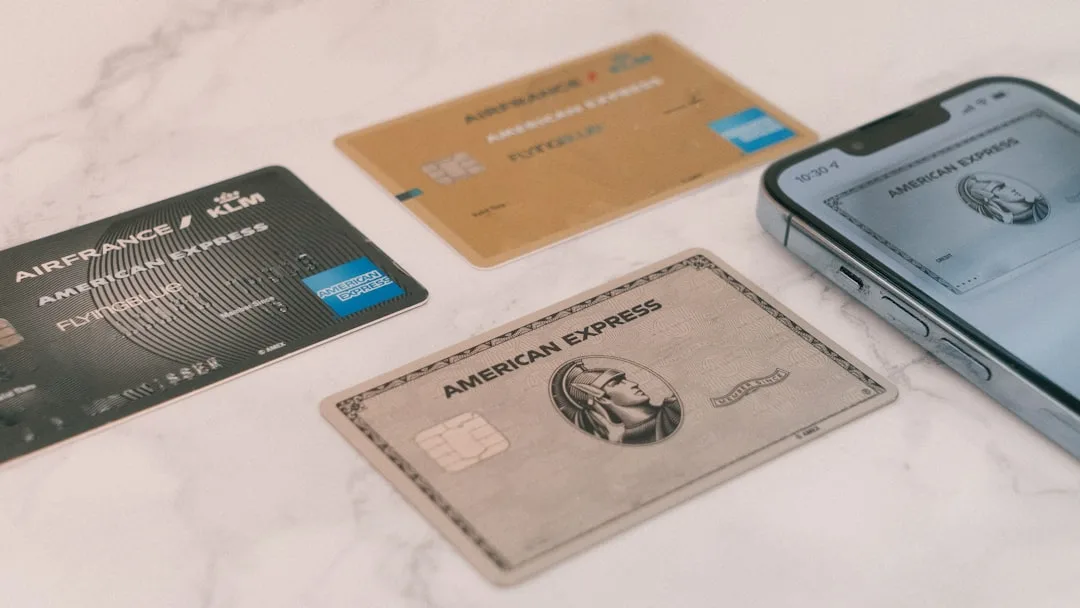
Most premium American issuers like American Express Platinum or Mastercard Platinum target affluent clients and charge annual fees ranging from USD 150 to USD 450. In return, you receive commission-free payments worldwide, integrated travel cancellation and interruption insurance, and concierge services. Stiftung Warentest rates such cards as economically justified for frequent travelers who actually use these services.
Cheaper options exist with cards from banks that charge zero foreign transaction fees across the board. Hanseatic Bank, Easybank, and Bank Norwegian typically charge between USD 0 and USD 65 annually (approx. EUR 60). The Capital One Venture card in Germany offers similar commission-free policies with lower annual costs. These cards are often the more economically sound choice for occasional travelers or those who travel several times per year.
One detail many overlook: some cards charge 0 percent foreign transaction fees but impose flat fees on cash withdrawals (say approx. USD 2 per withdrawal). Others offer complimentary withdrawals but charge for payments. The fine print is decisive here.
Travel Insurance and Card Benefits
An important warning from consumer advocacy organizations: many travel credit cards advertise integrated insurance that is often weaker than standalone policies. This is a case where examining the terms and conditions carefully pays off. A platinum card might cap travel cancellation at USD 10,000, but your planned luxury trip costs USD 15,000 and requires a separate policy.
For frequent travelers, an annual insurance policy often amortizes faster than three separate travel policies. This depends on travel frequency: those traveling two to three times annually often pay less with annual insurance than with three separate policies, plus avoid the administrative burden of purchasing a new policy for each trip.
The Role of Contactless and Mobile Payments
A trend that has long been established in popular travel countries like Scandinavia and the Netherlands — and is now advancing in Southern Europe and Asia — is contactless payment via phone or smartwatch. Apple Pay, Google Pay, and similar services use the same card data as the physical card and fall under identical fee structures. This means that if you pay via your bank app, it does not help with foreign transaction fees.
In some countries, specialized digital wallets offer better exchange rates. Wise, formerly TransferWise, exemplifies providers offering multi-currency accounts with real overseas rates — ideal for someone spending longer periods in multiple countries. However, this is more suited to extended stays than typical two-week vacations.
Practical Checklist Before Travel
Contact your bank before departure and clarify the exact fees for payments and withdrawals. Most banks can answer this in two or three sentences. Also note whether daily limits apply — some banks cap foreign transactions at USD 1,000 or USD 2,000 per day, which can become problematic in luxury hotels.
For longer trips or frequent travelers, compare the ongoing costs of a travel credit card against the alternative of “cash reserves plus individual travel insurance policies.” The amortization calculation takes minutes and often saves three-figure sums annually.
When withdrawing cash abroad: fewer withdrawals at higher amounts. When paying in shops or restaurants: always pay in local currency, never in euros or dollars. These two rules alone save you at least USD 20–40 per trip.
Finally: keep your statements. It is not uncommon to discover a fee that the bank “accidentally” charged. A quick call often results in a reversal.