Slow Travel – Finding Time in Motion
Discover how slow travel creates authentic cultural experiences, reduces travel stress, and makes your journey truly sustainable.
TravelFeelings Editorial Team
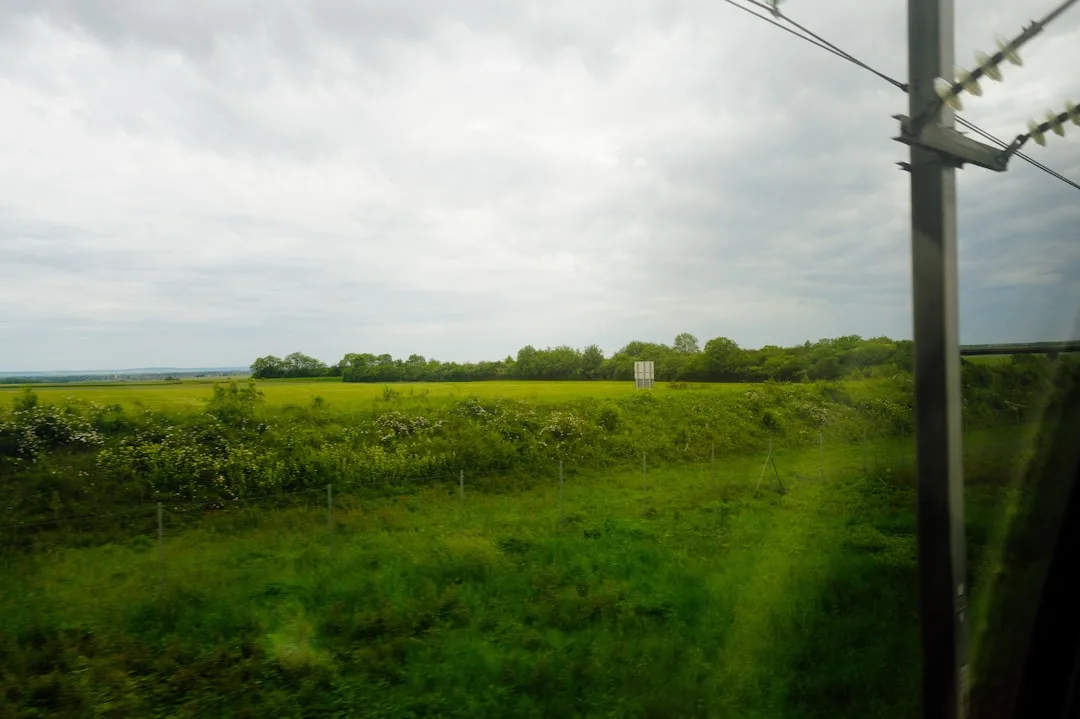
There are stretches across Europe where the logic of efficiency dissolves. To venture onto such routes is to step outside the machinery of haste. This is not airport capitalism with its time-saving apparatus, not the city sprint that folds five metropolises into nine days. This is something else: travel where time remains time.
Slow travel means allowing yourself precisely that — time. Seven to ten days in a single location. A region, not a continent. Unscheduled days instead of minute-by-minute itineraries. It means witnessing train stations before booking the next coach. It means discovering the corner café because you walk the same street four times, not once.
What Is Slow Travel, Really?
Slow travel emerged from the Slow Food movement of the 1980s. What began there with regional ingredients and artisanal technique applies equally here: quality over quantity. Not “How many countries have I seen?” but “What have I understood?”
This is not indolent luxury. The idea is more radical than that. It proposes that travel is a process of understanding, not a checkbox exercise. Spend two weeks in a provincial French town, read local newspapers, return to the same café, speak with its proprietor, and gradually the place ceases to be a tourism product and becomes a location with its own internal logic. No guidebook accomplishes this.
The practice is deceptively simple: extended stays in few locations. Public transportation, above all trains. Locally run accommodations rather than international chains. Eating where locals eat. Slow movement within the region — bicycle, foot, regional buses. That is the core.
Why Slow Travel Is Actually Sustainable
Here narrative meets mathematics. A single round-trip flight from Berlin to New York costs the atmosphere approximately 3 tons of CO₂ per person. The same journey by train? 0.4 tons. This is not marginal improvement; it is an 85 percent reduction. Train travel, for European journeys, is the obvious choice.
Slow travel lowers emissions not through sacrifice but through altered logic. If you remain seven days in one location rather than tearing through three countries in two weeks, you need fewer transfers, fewer flight connections, fewer new accommodations. The resource expenditure per travel day falls measurably.
There is a second dimension: economics. When you lodge with small family operations, shop at local markets, and eat in restaurants frequented by locals, your money circulates among people who live there. Not to international hotel chains, not to global restaurant corporations. This local economy has less transport dependency, less packaging, fewer international supply lines. That is sustainability in economic practice.
A 2024 study found that 87 percent of all travelers wish to travel more sustainably. Slow travel is one of the few approaches where this intention translates directly into practice. No greenwashing, no offset certificates — simply different choices.
Authentic Experience Requires Time
Genuine cultural encounter cannot be purchased. It emerges through patience.
Spend a week in Marseille and you discover not merely the old town, but why locals sometimes bypass it in favor of the beaches. You notice how the city feels different between two and four in the afternoon, when schools release. You come to know the regular markets — not the ones promoted to tourists, but those where ordinary people buy ordinary things.
This enables experiences no guidebook scripts: conversation with the cheese vendor about provenance and family history. An invitation to a midday table because you visit the same café daily and eventually seem normal. Culinary guidance from a neighbor because you frequent the same bakery and ask which pastries are not for tourists.
When you enroll in cooking classes, craft workshops, or language lessons, you meet people in a different capacity. Not as a tour guide reading from a script, but as an artisan sharing knowledge because they wish to teach someone. You feel the difference in your hands and attention.
The Psychological Dimension
Travel is often exhausting. Constant arrival, constant orientation, new hotels, new cities, new systems — this is mental marathon-running. Many people return from travel more fatigued than when they left.
Slow travel inverts this. As external haste diminishes, internal stillness can emerge. Lower stress means better sleep, fewer headaches, more space for creativity and observation. Neurologically this holds: familiar places reduce the cognitive cost of travel. You navigate less constantly, decode fewer new systems.
It is also economically sounder than many realize. Longer stays enable accommodation discounts. Regional weekly passes cost less than daily tickets. Eating where locals eat costs less than tourist restaurants. Slow travel is not more expensive, often cheaper.
How to Begin
The first decision is about duration, not destination: not how many countries, but how much time. One or two weeks in a single region, not four countries in three weeks. This narrows the map but deepens the penetration.
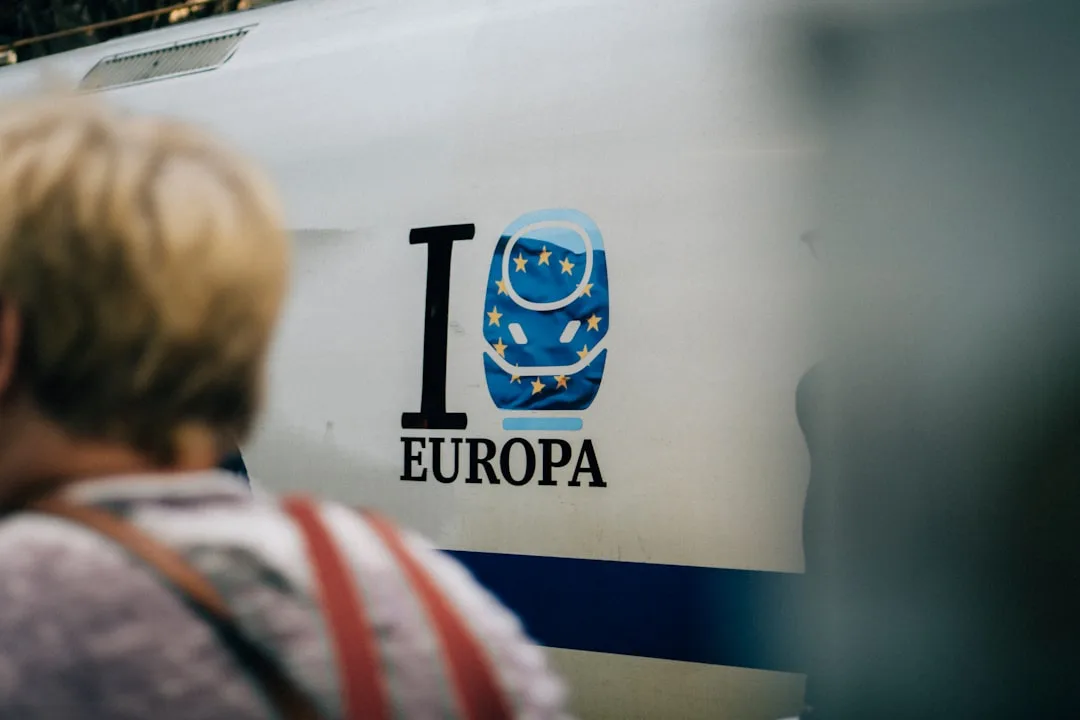
Second comes transportation: train before flight, bus before auto, bicycle before bus — wherever possible. Most European rail networks exceed expectations. Night trains render long distances tolerable. Branch lines traverse landscapes the motorway misses entirely.
Third is accommodation: not the first available hotel, but deliberately local. Family-run pensions, small inns, sustainably certified lodges (Green Key is a reliable marker). These places know their cities and offer guidance that does not appear online.
Fourth is mindset: the goal is not to see everything but to understand something. Free days are therefore essential — for wandering, for re-encountering, for flanerie. Many of the finest travel moments occur when nothing is planned.
Why This Matters
The world accelerates perpetually. That is fact. Yet there remain places where time moves differently. Small railway stations in Croatia, mountain villages in Switzerland, French provincial towns, Irish islands — these are accessible only if you have time for them. The logic of speed does not carry you there, or it deposits you briefly and carries you away before arrival truly occurs.
Slow travel is not romantic. It is clear and practical. It is also not for everyone. Those who prefer action to contemplation should respect their own design. But for those who see travel as an opportunity to understand the world and yourself more thoroughly, slow travel is not trend but necessity.