Night Trains Over Flights - Europe's Best Overnight Routes
Five reasons why European night trains are the smarter alternative to flying and which routes truly deliver on their promise.
TravelFeelings Editorial Team
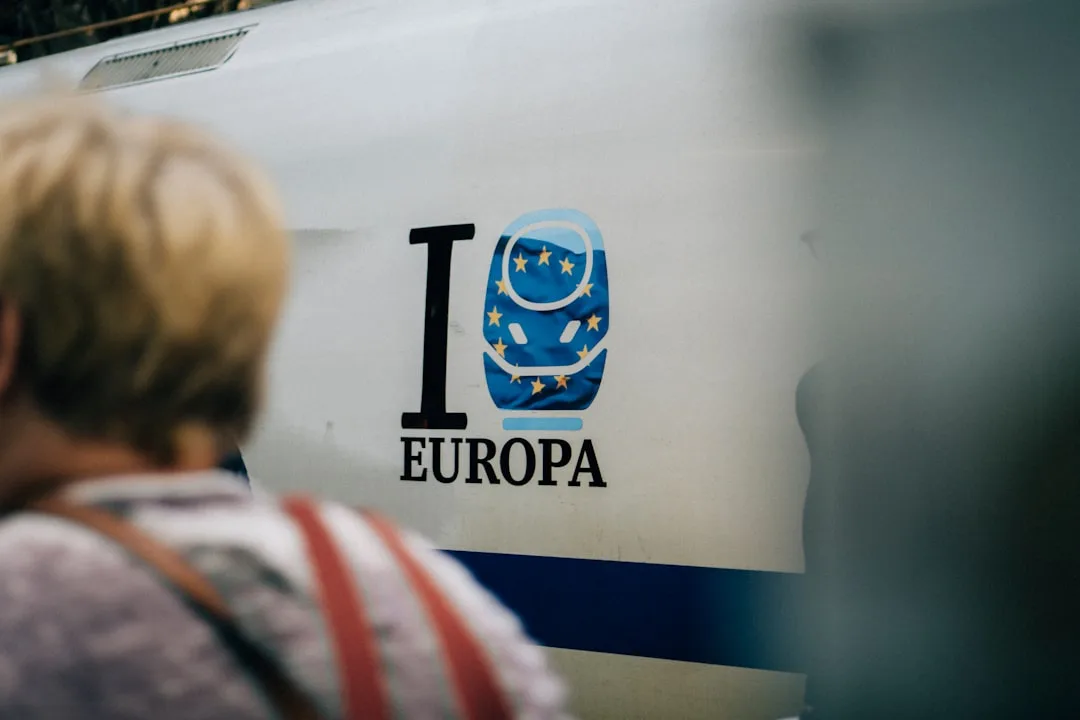
To traverse the Alps by night is to surrender to a temporality that refuses haste. The train rocks through darkness, through unnamed hamlets, and one sleeps fitfully, woken by the hiss of hydraulic brakes, glimpsing the harsh light of a platform slip past like a half-remembered dream. By morning, the revelation: you have arrived somewhere—Austria, perhaps, or northern Italy—without the rupture that aviation enforces. The railway permits a lingering in this interstitial space, a luxury that the economy of flight systematically denies. There is something almost subversive in that slowness.
Night Trains Return: Europe Rediscovers the Rails
A decade ago, overnight trains seemed destined for history museums. Budget airlines colonized every viable route, and the locomotive’s role in long-distance travel appeared to be in terminal decline. The reversal has been swift and decisive. Austrian Federal Railways (ÖBB) expanded its Nightjet fleet substantially, new operators like European Sleeper have entered the market with fresh service models, and even SNCF and the Benelux nations have coordinated new service routes. This is not sentiment but pragmatism.
The European Environment Agency calculated that a night train journey emits up to 90 percent less CO₂ than the equivalent flight. For someone willing to exchange speed for rest, you essentially delete the carbon footprint of a week’s car commute in a single journey.
The Best Routes: Where Night Trains Make Economic Sense
1. Berlin – Stockholm: The Long Night Through Central Europe
Fifteen hours and twenty minutes; from $110 (approx. €96.90). This is the canonical night train route. You board in Berlin in the evening, traverse Poland in darkness, and arrive in Stockholm as morning breaks. The journey is not hectic but its antithesis: you sit in the dining car, watch the Nordic forests unfold, and feel urgency drain from your shoulders.
What remains unspoken: you cross at least three countries and three time zones without surrendering your luggage to baggage handlers, without security queues, without mechanical delays. For travelers who wish to genuinely comprehend European diversity rather than merely collect passport stamps, this route is an education.
2. Berlin – Vienna: The Romantic Standard
Eleven hours and twenty-one minutes; from $165 (approx. €144.90). Yet here lies the rub: this distance offers no clear time advantage to air travel once you factor ground transfers, airport protocol, and taxi to hotel room. From apartment to sleeping berth takes nearly identical duration by rail versus by wing, with the crucial difference that you wake in Vienna rested rather than depleted by a 2 a.m. landing. A weekend in Vienna demands no flight itinerary when the train arrives in morning light.
The route winds through the Erzgebirge, Bohemian forests, and into the Danube valley. Accommodation tiers range from seated compartments under $114 (€100), to couchettes around $205 (€180), to en-suite sleepers above $285 (€250).
3. Munich – Rome: The Alpine Traverse
Thirteen hours; from $176 (approx. €154.90). For many, this journey represents a threshold: you retire to bed and traverse an entire mountain range while asleep. The journey departs Munich, ascends the Alps—tunnels alternate with viaducts, air temperature rises, flora transforms—and concludes in Rome, where you disembark restored rather than hollowed.
Herein lies the distinction from flying: your body recovers, the landscape labors, and you arrive feeling not depleted but genuinely rested.
4. Munich – Amsterdam: The Underestimated Express
Twelve hours and seven minutes; from $62 (approx. €54.90). This is genuinely economical. The route traverses Württemberg, the Rhine valley, and concludes in the Dutch lowlands. The advantage often goes unremarked: you depart Munich in evening and explore Amsterdam by morning without sacrificing an entire travel day.
Most travelers misjudge this route by thinking in short-haul terms. Reframe night trains as sleep infrastructure rather than transport, however, and the advantage becomes evident: you save a hotel night while gaining a full day of exploration.
5. Stuttgart – Budapest: The Overlooked Classic
Twelve hours and fifty minutes; from $61 (approx. €54). Central Europe suddenly opens through an unexpected doorway. You begin in the Black Forest, traverse southern Germany and Austrian slopes, and arrive in a city that remains insufficiently discovered by Western travelers. Pricing is modest because demand from the west remains low.
6. Brussels – Munich – Venice: The Continental Adventure
Launched in February 2025, this represents a symbolic shift. European Sleeper now offers the continent’s first through-service from Brussels via Cologne and Munich to either Venice or Verona—with seated accommodation from $56 (to Innsbruck; €49) or $78 (to Venice; approximately €69). This is economical, certainly, but more significantly, it demonstrates new operators challenging traditional rail monopolies while innovating in service design.
Accommodation: From Seats to Luxury Sleepers
One must, however, be clear-eyed about comfort gradients. Three distinct categories exist.
Seated compartments function adequately for journeys under eight hours. Beyond that threshold, they become progressively unpleasant—the human body resists extended nighttime seating.
Couchettes represent the practical compromise: four to six passengers per compartment, mattresses rather than armrests, supplementary cost of $114–$228 (€100–200 depending on routing). Linens and blankets provision standard; breakfast frequently included. Not luxurious, but functional.
Sleepers occupy an entirely different category. Single or double occupancy with en-suite facilities, steward service, and multi-course dinners—these typically cost $285–$456 (€250–400), exceeding budget airline fares. The consideration: you travel while horizontal and rested rather than seated and depleted. That carries measurable value.
The Climate Account: What the Numbers Reveal
Night trains generate approximately 28 times fewer greenhouse gases per passenger compared to aircraft. This exceeds a minor reduction. The Munich–Rome journey eliminates roughly 200 kilograms of CO₂ per passenger when substituting rail for air—equivalent to four weeks’ automotive commuting carbon. Frequent European travelers who systematically adopt this substitution eliminate the annual emissions of an average continental resident.
What deserves emphasis: these gains exist without comfort sacrifice. You do not travel slower—you travel differently. You gain time in the sense of recuperation rather than lose it. The night train is not the sacrifice scenario many still assume when contemplating rail—it is an offer for those understanding that the quickest journey is not invariably the optimal one.
Practical Considerations for First-Time Night Train Travel
Novice night train passengers require minimal preparation. Pack your standard luggage, bring reading material or your computer, and accept that sleep patterns will diverge from home conditions—though not materially worse than hotels adjacent to noisy neighbors.
On-board staff possess genuine expertise and helpfulness. If your compartment location escapes you, conductors direct you. Questions regarding meals or routing receive substantive answers. This constitutes personal service rather than algorithmic service.
Book directly through operators when feasible: ÖBB Nightjet (nightjet.com), European Sleeper (europeansleeper.eu), or national carriers like Deutsche Bahn or SBB. These platforms routinely offer advance-purchase discounts.
For extended itineraries, Interrail passes provide night train access at rationalized prices—often superior economics for younger travelers or groups.
Closing Thought: Why the Rails Prevail
Night trains represent neither nostalgia nor idealism but rational infrastructure choice. They conserve time, expense, and atmospheric carbon. They permit distance traversal without complete physiological collapse. They gift each morning a modicum of adventure—even when merely traveling Berlin to Budapest.
The European night train renaissance stems from no accident. It answers a hunger for different mobility: not merely rapid, but meaningful. The hour has arrived to listen when the locomotive passes in darkness.