Packing Light: Plastic-Free Travel Essentials
Travel with fewer, better-chosen items and reduce plastic waste along the way – not through dogmatism, but through conscious selection.
TravelFeelings Editorial Team
There are journeys that exhaust you before you arrive. The overstuffed suitcase, three days of packing stress, the certainty that you have forgotten something important anyway. And then on the return journey you realize: two-thirds of it you never touched. This is impractical — and it carries a climate cost. A heavy suitcase means more fuel consumption on flights, trains, and buses. A light backpack eases your back and the atmosphere alike.
Zero-waste travel does not mean living ascetically or forgoing comfort. It means choosing more consciously: deliberately reaching for alternatives to plastic. Buying things that last instead of constantly replacing them. Consuming at your destination in a way that makes your ecological footprint smaller, not larger — that is the core of conscious travel.
The Basic Rule: Less, but Better
Before you even start packing, the central question presents itself: do you really need that? Not every pair of shoes has to come along, not every potential situation needs to be covered. With a well-thought-out wardrobe in which the pieces can be combined with each other, you get by with a quarter of the usual amount.
It sounds strict, but it works. Anyone traveling for two weeks and carrying only eight days’ worth of laundry washes along the way. Many small hotels and pensions throughout Europe offer this service. It is cheaper than constantly packing new textiles, it is lighter to carry, and it also generates fewer transportation emissions.
High-quality clothing made from natural fibers — organic cotton, linen, hemp — is more expensive to buy, but lasts significantly longer. This is also the essence of sustainable luxury: not constantly buying new, but fewer things that are better. It absorbs water better, dries faster, and does not smell unpleasant as quickly. The more expensive jacket you wear for five years is more ecological than five cheap jackets that break after one year.
Hygiene Essentials: Solid Instead of Liquid
The biggest plastic-saver in travel luggage is hygiene products in solid form. A bar of hair shampoo weighs one-fifth of a liquid shampoo, needs no container, and lasts three to four times as long. The same applies to toothpaste tablets, which you can simply chew with water, and to solid soaps.
Bamboo toothbrushes instead of plastic are marginally more expensive, but they are compostable. A bamboo comb needs no plastic case. Natural soaps from local manufacturers — you find them at every European market — save packaging and support small craft businesses on site.
For sun protection: reef-safe creams that do not bleach corals. For deodorant: a stone or paste made from natural ingredients. It smells different from your usual deodorant, but it works.
The Essentials for Eating and Drinking
A reusable water bottle is basic kit. It saves the plastic bottles, and tap water is cheaper anyway. A simple stainless steel bottle is lightweight, lasts forever, and is more hygienic than plastic. Buy it before your trip so you can fill it at the airport — otherwise you will pay water prices like champagne.
Carrying a lunch box made of stainless steel or bamboo fiber means you can buy your breakfast at local markets without creating disposable plastic. Cheese from the market, a slice of bread from the baker, fruit from the produce vendor — it costs less than a cafe breakfast and tastes better. The box weighs almost nothing, takes up no space, and becomes the best purchase of your trip.
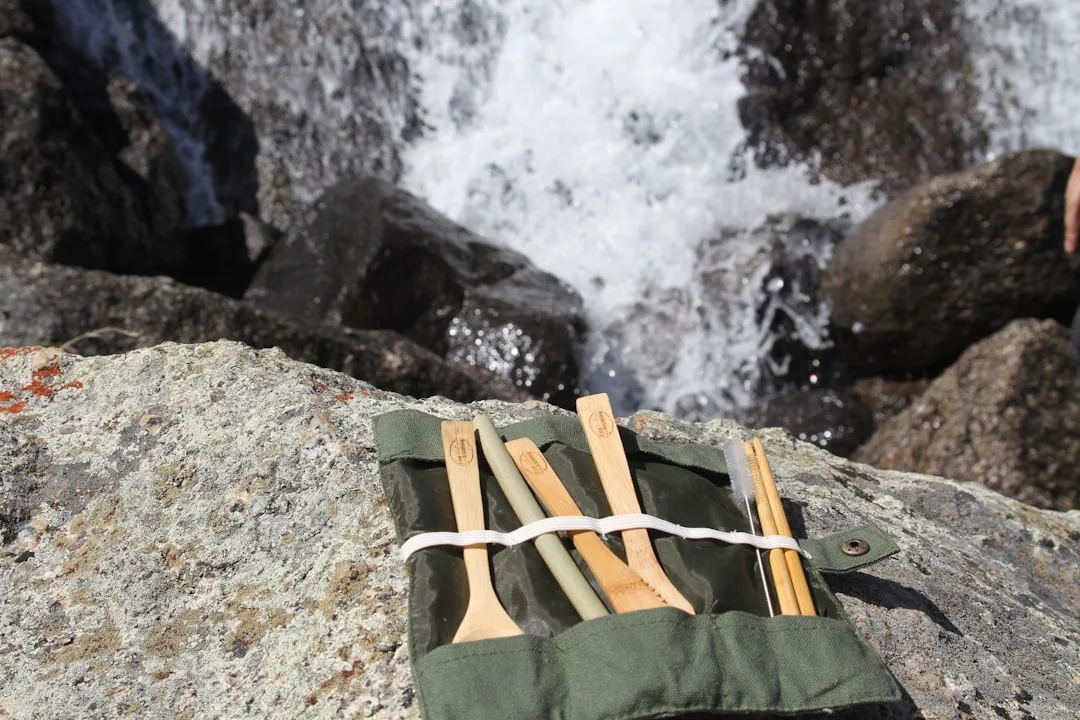
A cutlery set with bamboo utensils — fork, spoon, knife, and straw — costs roughly five dollars, weighs a few grams, and saves you hundreds of single-use plastic forks. Make sure it comes in a linen pouch, not plastic.
Travel Gadgets That Make Sense
A collapsible food container saves space and replaces your backpack as a lunch box. A reusable shopping net or small cotton bag takes up almost no space when folded, but allows you to shop at markets without a plastic bag.
A cotton laundry bag is lightweight, can carry wet things, and allows you to hang-dry your laundry on your room balcony. A small brush and a package of biodegradable soap enable hand-washing on the go.
For longer trips: a small sewing kit and a spare plastic buckle for your backpack. That carries you through three months without buying four new things.
What Awaits You Locally: Markets Instead of Supermarkets
One of the greatest pleasures of zero-waste travel is shopping at local markets. In almost every European city there is a weekly market where bakers, cheese makers, vegetable farmers, and florists sell their goods directly. Your lunch box proves its worth here. You need no packaging, often pay less than in the supermarket, and support local artisans instead of anonymous corporations.
Many European stores now also have bulk sections or deposit systems. In Germany, Austria, and Switzerland this works better than south of the Alps, but it is improving. Ask at your accommodation where the nearest plastic-free shopping option is.
Restaurants: Most give you food on plates, not on disposable plastic. That is the standard in Europe. You only need to watch out at train stations and tourist spots.
The Realistic Perspective
Traveling one hundred percent plastic-free is impossible. Your travel insurance comes in paper, the train ticket is usually on paper, and some things simply cannot be avoided. It is not about perfection, but about awareness. About knowing which plastic decisions you make and where real alternatives exist.
Airline meals, dental floss, bandages — these things will happen. That is acceptable if you make conscious choices for alternatives in all other respects. The carbon footprint of a journey depends less on individual decisions than on the overall structure: how many flights, how long do you stay, which modes of transport do you use? That is what matters.
The Shopping List for Your Trip
Before you go: a good reusable water bottle (not cheap plastic, a real stainless steel bottle costs 20–30 dollars and lasts 10 years), a cutlery set in a linen pouch, solid shampoos and soaps, a bamboo toothbrush, a lunch box, a shopping net, bio toothpaste tablets. If you do not already have it: clothing from natural fibers that you can mix and match. That is it. The rest will develop on location.
Traveling with less is more sustainable — and it feels freer. You have less to carry, less to wash, less to manage. You quickly realize: what you really need is much less than you think. And then travel itself becomes the adventure — not the things you drag along, but the people you meet, the markets you browse through, the trains that take you somewhere you have never been.
That is slow travel. And it begins with a lighter suitcase.