Slow Travel: Nervous System Recovery, Long-Term
Why slow travel combined with deliberate wellness practices prevents burnout and how to identify retreats with genuine therapeutic depth.
TravelFeelings Editorial Team
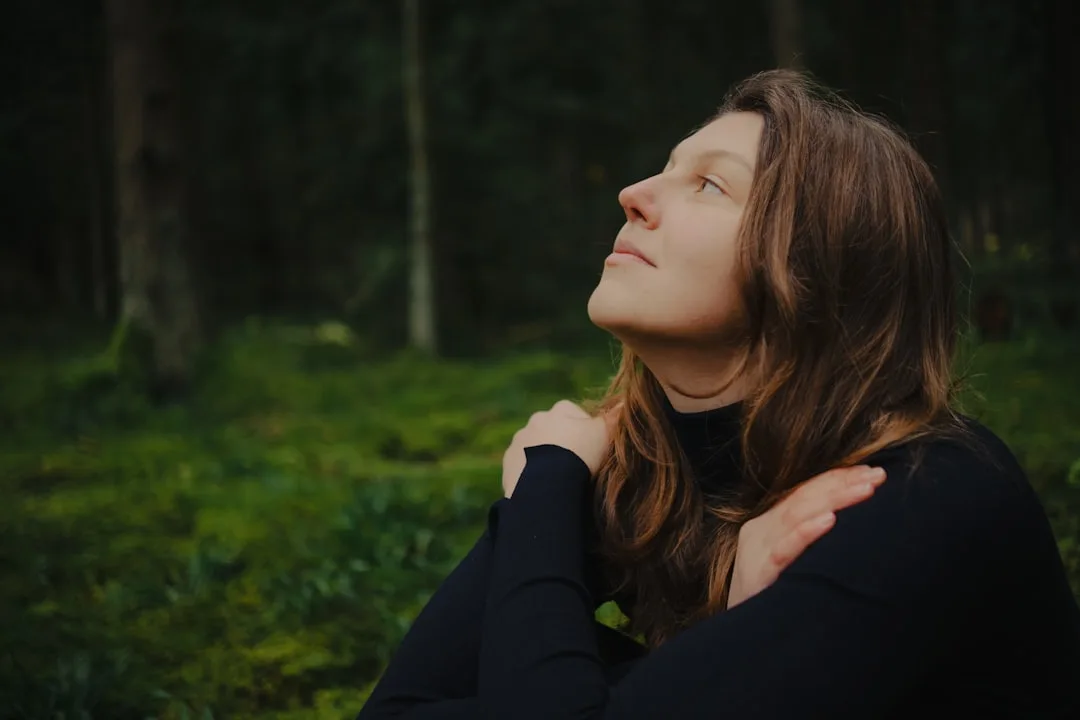
Burnout is not caused by too much relaxation but by insufficient nervous system regulation — and here lies the critical insight: between high-intensity career and escapist holidays exists a third pathway. Slow travel integrated with deliberate wellness practices prevents not only acute stress but trains neuropsychological resilience against burnout itself.
How Cortisol Responds to Travel Pace
The relationship is biologically concrete. Chronic stress elevates cortisol — the stress hormone that undermines immune function, sleep quality, and emotional stability over weeks and months. Conventional vacations often leave this mechanism largely untouched: traveling with flight stress, rushed itineraries, and relentless documentation simply substitutes different stressors rather than sending genuine rest signals to the body.
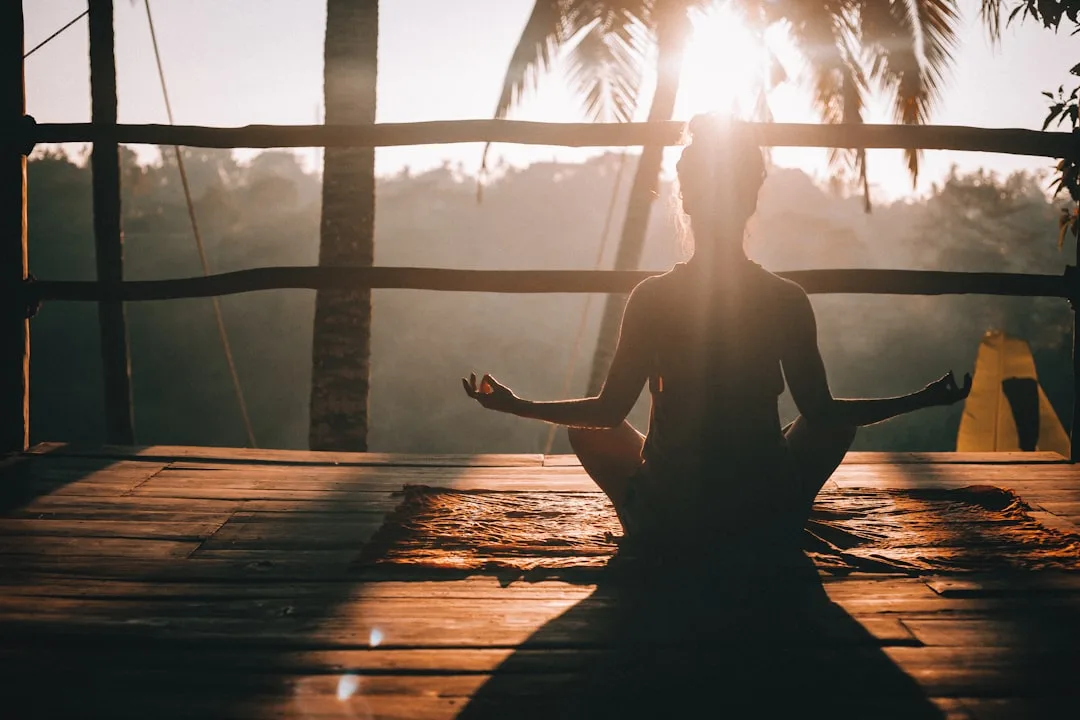
Slow travel, by contrast, demonstrably reduces cortisol and lowers baseline nervous system tension. The mechanism is straightforward: spending three weeks without time pressure in one location, synchronizing your body’s rhythm with natural light and local sleep-wake cycles, and engaging structured yoga or meditation practice produces genuine nervous system recalibration — not distraction but genuine neurological reset.
The Distinction Between Vacation and Conscious Detox
Here’s where the subtlety lies: a beach holiday feels restorative but functions differently than a deliberately designed wellness retreat. On typical vacation, the mental autopilot often persists — your brain unconsciously sorts thoughts around work, family, obligations. In digital detox retreats where phones are surrendered at check-in and no internet exists, this automated thought loop breaks. The effects are measurable: participants report sharper concentration, reduced mental noise, and improved sleep quality within days.
Silent immersion — such as ten-day Vipassana courses combining non-speaking with eight hours daily meditation — produces even deeper neurological reorganization. This appears unremarkable on social media, yet neuroimaging studies demonstrate that intensive meditation measurably alters brain regions governing self-referential thought (the Default Mode Network), which persistently reduces anxiety disorders and rumination patterns long-term.
Evidence-Based Practices for Burnout Prevention
The practice reveals consistency with research: not all wellness offerings carry equal effectiveness. Several core elements, integrated in well-designed retreats, have robust scientific backing:
Breath Work (Pranayama): Structured breathing — particularly extended exhalation — activates the parasympathetic nervous system, the “rest and digest” function. Five minutes daily produces measurable blood pressure stabilization; weeks of practice yield sustained neurological change. This can be integrated into morning routines during yoga vacations or daily practice at home.
Forest Immersion goes beyond hiking; it means mindful sensory engagement within forest environment. Documented effects include reduced cortisol, lower inflammatory markers in blood, and strengthened immune cells after two to three hours of daily practice.
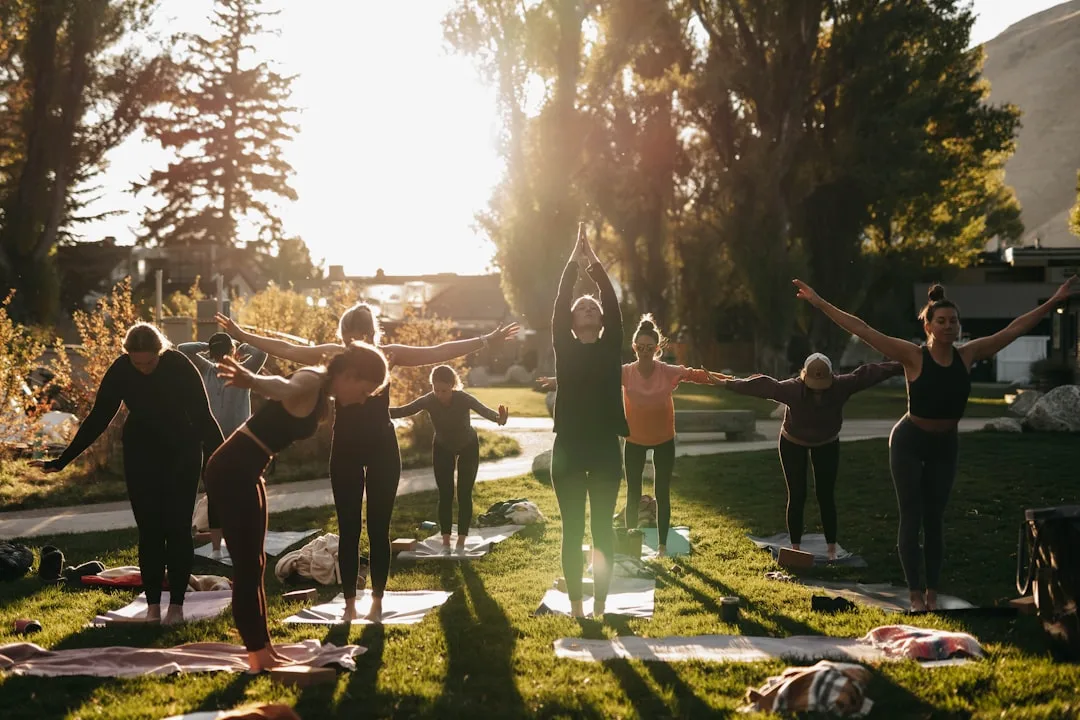
Sustained Yoga Practice at 90 minutes, two to three times weekly, offers therapeutic depth. Not fitness-oriented power classes, but classical Hatha or Yin yoga emphasizing breath integration addresses both spinal stabilizing musculature and neurovegetative relaxation — the antidote to postural stress from desk work.
Meditation, particularly Vipassana, has a goal that is not “inner peace” but cognitive deactivation of the mental autopilot. Regular practitioners show reduced brain activity in regions that drive rumination and future-oriented anxiety.
Dietary Intervention within Retreat Context matters: many burnout situations intensify through blood sugar dysregulation and caffeine dependency. Serious retreats employ plant-based whole foods with extended fasting windows, restoring insulin sensitivity and psychological stability.
Slow Travel as Structural Prevention
Now for the practical application: the best burnout prevention is not a single intensive retreat but the rhythm itself. High-performing professionals who schedule two slow-wellness retreats annually (two to three weeks each) and maintain regular home practice (three to four hours weekly yoga or meditation) show significantly lower burnout rates than those seeking recovery only sporadically.
The neuropsychological reason is this: your nervous system requires not merely “time off” but the lived experience that slowness, embodied presence, and inward attention are possible — this trains a new stress capacity. When you return to work and daily obligations, you possess a learned pattern you can activate.
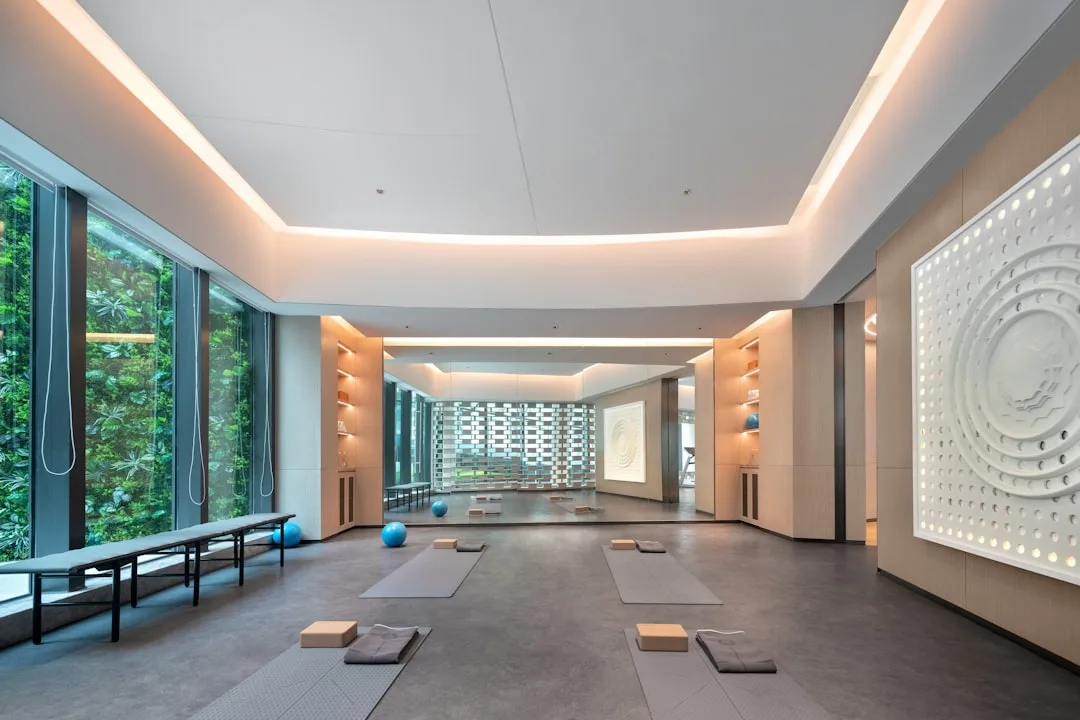
This distinguishes legitimate slow-wellness centers from superficial ones: they work not merely with relaxing massage and scenic views but with structured training. This means daily yoga classes with clear progression, guided meditation, breathwork workshops, lectures explaining the neurobiology of practice. It feels less like “vacation” — therein lies its power.
Finding Substantive Slow-Wellness Retreats
Where many people get it wrong: the marketing budget at many Instagram-featured wellness resorts often exceeds the budget for faculty. A premium-priced yoga studio with polished branding may employ teachers holding only 200-hour Yoga Alliance certifications — sometimes fewer. This is insufficient for therapeutic yoga, particularly in burnout-recovery contexts.
Here’s what demands your research: Yoga Alliance credentials (minimum 200-hour RYT, preferably 500-hour) for all instructors, transparently listed. For Ayurveda offerings: NAMS or ACCM certification for physicians — authentic Panchakarma is not wellness massage, it is medical intervention. Investigate worker protections: fair wages, health insurance for staff, and verifiable working conditions indicate ethical management.
Germany’s Kneipp tradition and 350+ established wellness spa centers offer advantages — many rooted in scientific wellness principles. Yet “wellness resort” remains marketing terminology, not regulation. European alternatives (Switzerland, Austria, Portugal) maintain high standards, but due diligence is essential.
Realistic Costs and Expectations
Authentic slow-wellness retreats are not budget accommodations. Two to three weeks at established European centers cost approximately $2,875–$5,750 USD (ca. €2,650–€5,300) including lodging, meals, and program — this is not luxury, it is professional expertise. Comparable retreats in India or Costa Rica cost $920–$1,725 USD, yet teacher qualifications require the same scrutiny as at premium resorts, not merely Instagram aesthetics.
Often superior to a ten-day retreat at an expensive resort is two weeks at a modest but pedagogically serious center. Practice duration and instructional quality outweigh thread count and ambiance.
Home Practice Between Retreats Is Essential
Ultimately: a three-week retreat without subsequent home practice is a pleasant experience, not transformation. Burnout prevention occurs not in the retreat but afterward, when you maintain (minimum) three hours weekly yoga or meditation, practice regular digital detox, attend to breath, sleep seven to eight hours nightly.
This is not exotic. It is concrete nervous system management. Slow wellness is not escape — it is the recovery of substance in a life otherwise fragmented.