Yoga on Holiday: Apps, Routines, and Authentic Practice
How to integrate yoga meaningfully into your vacation—without spiritual marketing hype. Which apps actually deliver, which hotels offer substantive programs, and how a focused morning practice yields more than wellness theatre.
TravelFeelings Editorial Team
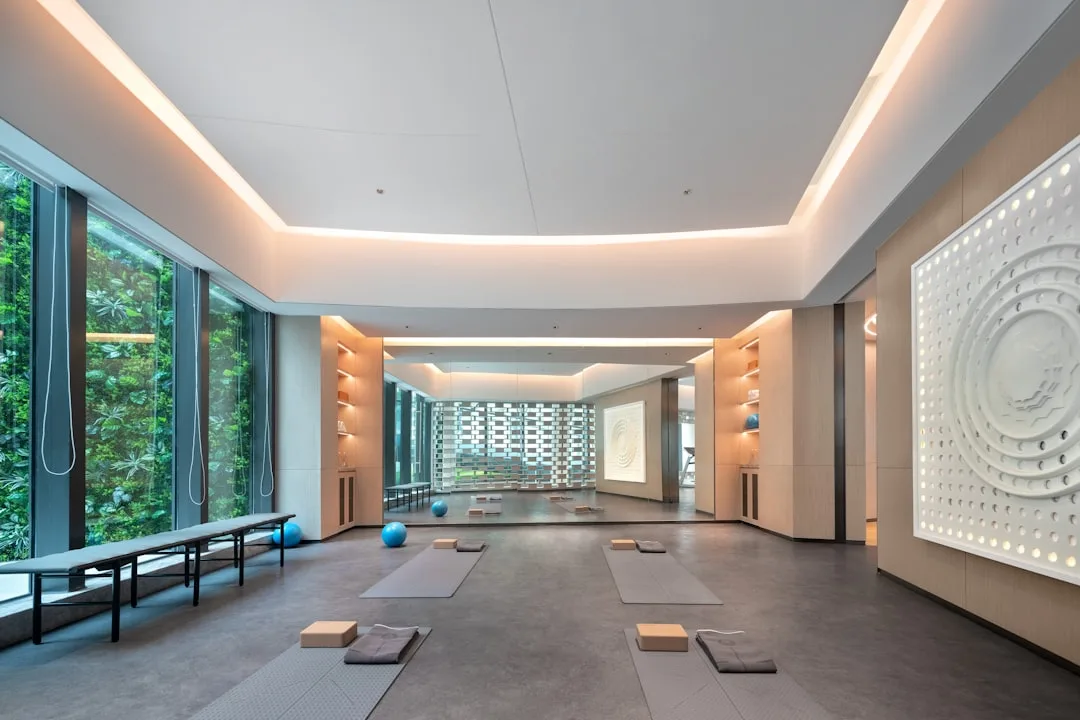
Yoga on holiday is a contradictory promise. It sounds like mindfulness and self-care, yet often devolves into poolside Instagram poses and overpriced retreats staffed by unqualified instructors. What I consistently observe is: people book a “transformative week” in Bali, practice yoga for ten minutes each morning, and declare it their deepest journey. The ten-minutes-as-transformation claim is more nuanced than it appears — which is why differentiation matters.
Here’s the good news: genuine yoga practice during a vacation is not only possible but, through the right combination of apps, established hotels, and a personal morning routine, often more effective than practice at home. Where it gets complex is in the selection. Not every app suits vacation, not every hotel branded as “yoga-friendly” employs qualified teachers, and not every morning sequence accommodates jet lag.
Morning Yoga on Holiday: Why Less Is Often More
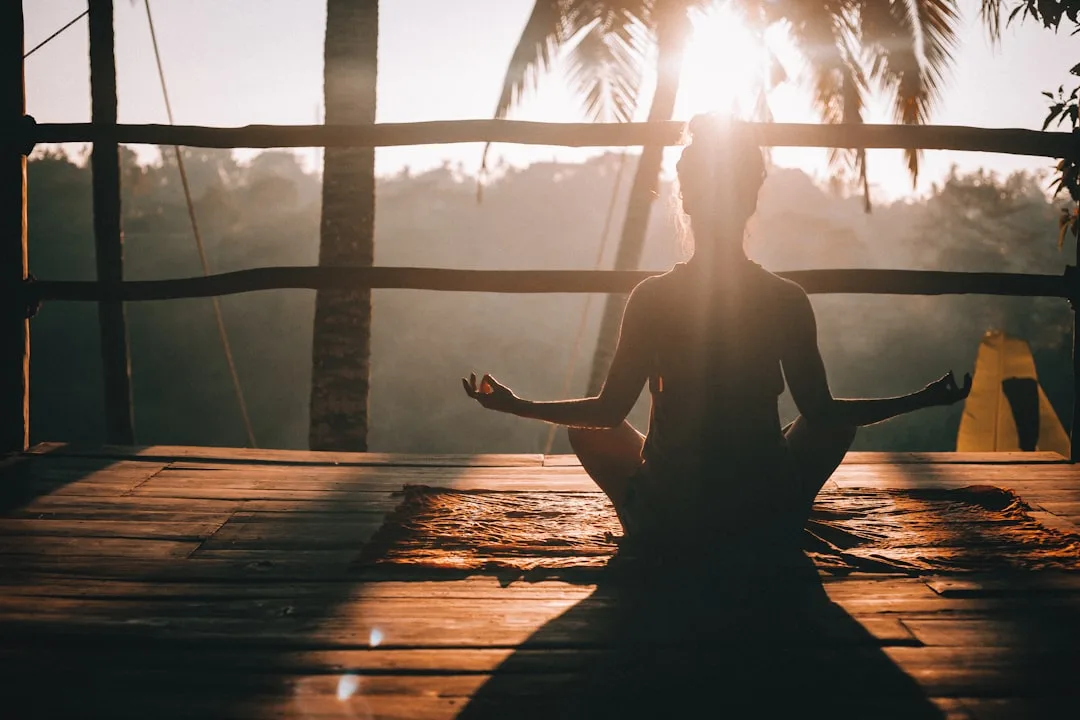
Vacation amplifies what you invest in it. That’s neurobiological. Your system carries less stress, your nervous system is more receptive, and a fifteen-minute practice there produces effects equivalent to forty-five minutes at home. Therefore: focus beats duration. A good morning routine requires no duration, music, or spiritual production — just clarity and your commitment.
Here’s where it gets practical: most people fare better with a short, repeated sequence than with daily variations. That sounds counterintuitive, but habit-formation research supports it: repetition builds neuromuscular memory, and memory generates deeper relaxation. Concretely: choose one ten- to fifteen-minute sequence and practice it four to six days of your holiday, not something different each time.
Yoga Apps: Which Actually Serve Holiday Practice?
There are roughly fifty relevant yoga apps on the market. Most are middling. These four truly function during vacation:
Alo Moves ($14–16 USD/month) offers personalized recommendations based on a detailed fitness profile. The advantage while traveling: the app suggests, you don’t decide. This conserves decision energy. Classes are professionally produced, instructors have studio credentials, not just social media presence. Beginners should start with Level 1 and resist jumping to higher levels before basics are solid.
Down Dog ($12 USD/month) works differently: instead of pulling from a catalogue, it generates your practice fresh, based on your preferences (duration, style, tempo, music or silence). This is technically elegant and pragmatic while traveling—you get routine without monotony. A realistic fifteen-minute morning practice emerges naturally here.
Glo ($32 USD/month) is expensive and designed for committed practitioners. High-caliber live classes (available later on-demand), detailed cueing, substantial Iyengar influence. If you already practice regularly, the depth justifies cost. Beginners should not start here.
Asana Rebel ($8 USD/month) merges yoga with micro-fitness units. Useful for holidays if you want variety: five minutes of breathwork, ten minutes of yoga, five minutes of stretching. Highly structured, minimal variation in session length.
The largest beginner pitfall: using free trials without genuinely testing the app. A vacation isn’t the time to hunt for the perfect platform. Download your choice two weeks beforehand, practice daily, then commit to what works.
Hotels with Substantive Yoga Programs
This is where nuance matters: many hotels offer yoga. Few employ actual yoga teachers. The distinguishing marker is straightforward: instructor certification and experience. No RYT-500 minimum (RYT-200 is insufficient), no consistent teaching history—no real yoga. No minimum of three years teaching experience, and you’re in wellness entertainment, not practice. Serious wellness travelers grasp this distinction.
Yoga Escapes (yogaescapes.com) operates across Mediterranean and Egyptian destinations (Mykonos, Corfu, Rovinj, Sicily, Menorca, Lanzarote, Marrakech). The model: seven- to eight-day retreats, $1,600–$2,400 USD per person, all-inclusive in five-star hotels. The advantage is optionality—you’re not obligated to attend each class; you can dive, surf, or rest. That’s realistic and not spiritually demanding. Teachers often emerge from established European studios, not Instagram personalities. The disadvantage: expensive, and less ideal for solo travelers wanting flexibility.
Casa Fuzetta in Olhão, Portugal (casafuzetta.com), runs 30+ retreats annually along the Algarve. Small cohorts (up to fifteen people), $680–$1,360 USD (approx. €600–€1,200) for five to seven days depending on accommodation. Iyengar-oriented, precise anatomical instruction. Excellent for practitioners with three-plus years of experience seeking deeper foundation work. Beginners can quickly feel overwhelmed. This is serious, disciplined practice.
Six Senses Vana in India (near Delhi) offers Ayurveda-integrated yoga programs, $3,000–$4,500 USD for seven to ten days. This is luxury and substance simultaneously. Teachers hold RYT-500 credentials, physicians are NAMS-certified Ayurvedic doctors. If you’re ready for intensive practice and medical dimensions (metabolism, digestion, sleep), it’s credible. Not for beginners, but for practitioners with foundational experience, genuinely substantive.
REVĪVŌ Wellness Resort in Bali (revivobaloresort.com) is hybrid: book three nights ($400–600 USD), two daily yoga classes, or remain completely flexible. REVĪVŌ favors consistent practice over retreat theatre. Teachers are Vinyasa-focused and skilled, though not Ayurveda-integrated. Suited for intermediate practitioners seeking Balinese culture without seclusion.
The Practical Architecture: App Plus Hotel Plus Morning Routine
Where it gets nuanced: the best arrangement isn’t “excellent hotel with daily classes” but rather “hotel with optional classes plus app for independent morning practice.” Why? Flexibility. You maintain agency, leverage hotel instruction for refinement, and don’t become dependent on the schedule.
Applied concretely: you book REVĪVŌ or Casa Fuzetta, install Down Dog, and practice your fifteen-minute morning routine (before hotel instruction or independently). Hotel classes then serve as alignment feedback and fresh perspectives, not your daily backbone.
What distinguishes credible places from weak ones: real studios encourage your independent practice. Weak ones market their classes as essential.
How Morning Yoga Protects Against Jet Lag
This has neurobiological grounds. A focused morning yoga practice stabilizes your cortisol rhythm faster than a sleepless flight destabilizes it. Specifically: fifteen minutes of gentle poses (asanas) and breathwork (pranayama) within the first two waking hours demonstrably activates your parasympathetic nervous system and reduces jet lag symptoms significantly.
Morning practice before sightseeing also safeguards your knees and lower back. Eight hours daily of travel activates your fight-or-flight system. Morning yoga resets that into parasympathetic dominance. Pure nervous system activation, nothing mystical.
Concretely for your holiday: your first act after hydrating and coffee is the app session. Not after breakfast, not after email—immediately. Your nervous system encodes this prioritization and stabilizes more quickly.
Hype Versus Substance
Grandiose language—“transformative,” “spiritual awakening,” “finding yourself”—work as sales narratives more than descriptions. Genuine practice does concrete things in your body: it lengthens shortened muscles, stabilizes your nervous system, improves sleep, settles digestion. A gradual physiological process.
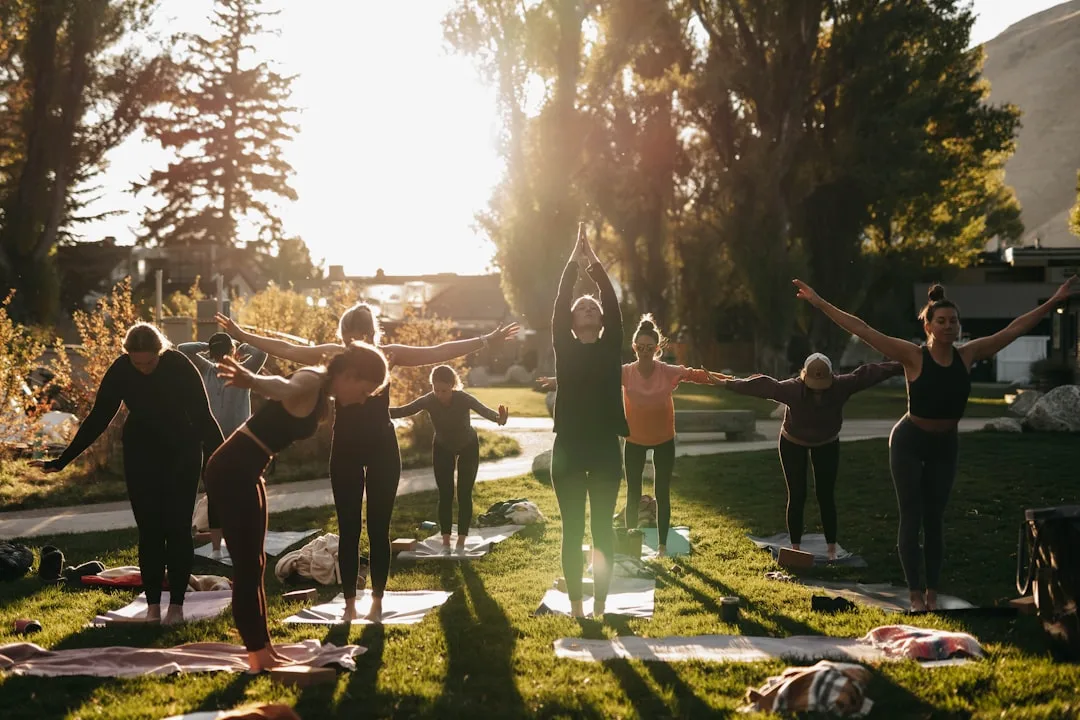
Hotels with authentic yoga employ certified teachers (RYT-500 minimum), maintain small cohorts (maximum ten people), and ask about contraindications. They inquire whether you carry back pain, injuries, or digestive sensitivities. Places that skip this lack fundamental understanding.
Apps with genuine value contain not just polished videos but anatomical explanations, modifications for beginners and advanced practitioners, and cautions against faulty mechanics.
Practicing yoga during a vacation means taking yourself seriously as a practitioner rather than a wellness consumer. That’s more demanding than it sounds, and more effective. A focused morning routine, a solid app, and a hotel staffed with real teachers deliver substance instead of theatre. Practitioners who stay consistent during vacations report improved stress resilience, fewer sleep disruptions, and sharper somatic awareness up to three months afterward. This remains genuine, ongoing practice.