Detox Holidays: Fasting & Wellness Hotels Reviewed
Which fasting methods actually work, which wellness hotels deliver, and whether detox retreats truly make a difference.
TravelFeelings Editorial Team

“Detox” has become a marketing catchall. A weekend in a resort, three days of juice, and suddenly your body is supposedly purified. Many such promises are vague at best, some medically questionable. What I consistently observe is a stark gap between genuine therapeutic detoxification and Instagram wellness with Sanskrit branding. Anyone considering a detox retreat seriously should understand what actually happens—and what doesn’t.
What Detox Actually Is
Your liver detoxifies your body daily, retreat or no retreat. That is its function, and it doesn’t require an expensive program for it. What detox programs can actually accomplish: they give your stomach and intestines a break, reduce daily digestive load, and allow your body to recover and regenerate. This is not trivial—it is simply different from “flushing toxins.”
Fasting and controlled eating do produce measurable effects: reduced inflammatory markers, metabolic optimization, mental clarity through a kind of neurological reset. But these emerge not through magic but through physiological processes that require days, not hours. Here’s where serious wellness hotels distinguish themselves: they are honest about timelines and limits.
The Main Fasting Approaches
Buchinger Therapeutic Fasting remains the classical method. Seven to ten days of no solid food—only diluted juices, vegetable broth, and herbal teas. Your body shifts to a higher metabolic rate, fat reserves are mobilized. The psychological dimension can be intense the first time, but most participants report mental clarity by day three or four. Lanserhof Tegernsee in Bavaria executes this methodically well.
Base Fasting is gentler. You eat, but only plant-based foods without acid-formers like meat, dairy, or refined sugar. Seven to ten days suffice to create a sensation of lightness. The advantage: less physical strain, psychologically easier, less socially disruptive. If you’re trying fasting for the first time, this is often the entry point.
Metabolic Balance operates differently. A blood test determines your metabolic type, then you follow a personalized nutrition plan—three meals daily, but strictly by protocol. This is less fasting than metabolic optimization. Duration: usually three to four weeks before measurable results appear.
Ayurvedic Fasting rests on the idea that not all bodies respond identically. The doshas—Ayurvedic constitutional types—determine which fasting approach suits you. A Vata type (typically light, nervous) requires different support than a Kapha type (heavier, slower). Authentic Ayurvedic retreats last two to three weeks and combine fasting with oil massage and individualized herbal protocols.
Schroth Cure is historically rooted: alternating between intensive drinking and fasting days, accompanied by wraps and gentle movement. Less well-known, but established in Austrian and Bavarian wellness hotels. Valuable for those seeking different rhythms.
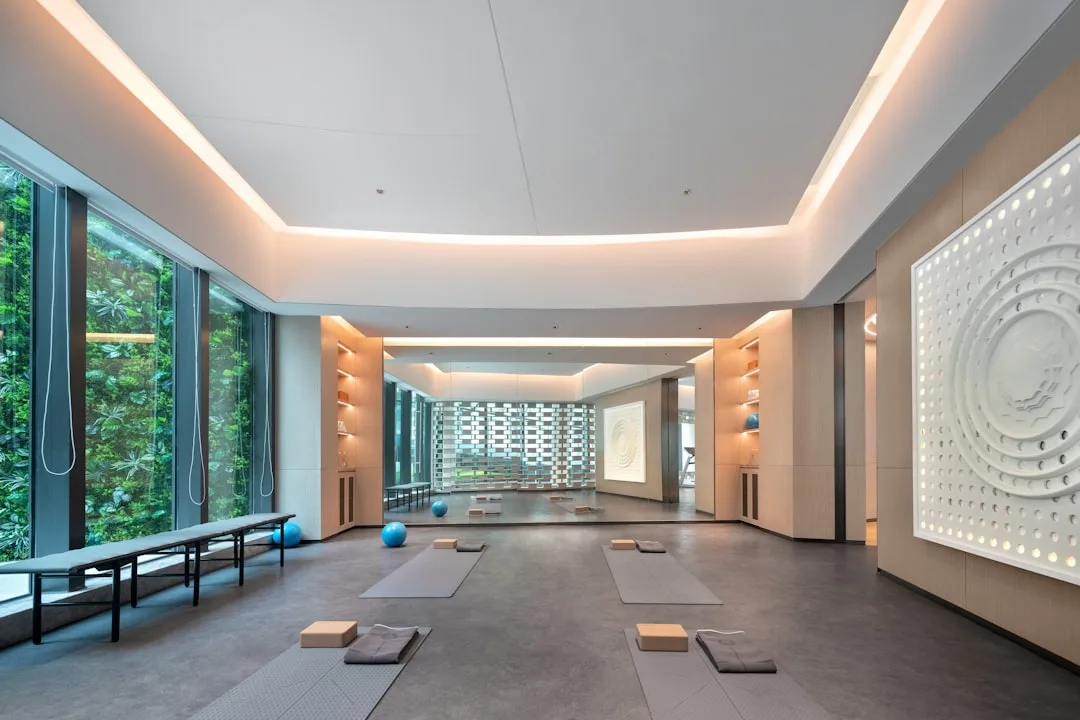
Yoga plus Fasting is a combination serious retreats take seriously. Not dynamic power yoga—but yin, restorative, or mindful hatha. Movement supports digestive fire, stabilizes the mind during fasting, and makes the physical challenge psychologically manageable.
Top German-Language Options
Here’s the nuance: many places market “detox,” but few execute it rigorously. These four deliver substantive work.
Lanserhof Lans in South Tyrol is the European standard. Structured fasting programs under medical supervision, typically seven to ten days, beginning around $927 (approx. 843 EUR) per night. This is high-quality but realistic: staff understands medical limits, doesn’t simply stop when things become challenging. The integration with local medicine and Ayurvedic tradition is genuine.
Lanserhof Tegernsee in Bavaria maintains similar standards, starting at roughly $1,288 (approx. 1,171 EUR) per night. The cure-home ambiance is less glamorous than Lans, more traditional instead. Medical oversight is close; ideal for first-time fasters.
Der Daberer—the organic hotel in Carinthia—is more accessible in both price (from $200 / approx. 182 EUR per night) and mentality. Less medically formal, more authentic. Organic ingredients, regional approaches, less sheen. For those who don’t view detox as lifestyle accessory.
Kloster Waldbreitbach operates from a different register: a Franciscan monastery with an established fasting program in the Rhineland region. No luxury, no spa, but genuine yoga practice and silence. Costs are unbeatable because the monastery is not profit-driven. Ideal for those understanding detox as practice, not holiday.
International Benchmarks: When Budget Allows
For those willing to invest globally: Chenot Palace Weggis in Switzerland is considered world standard. $9,850 to $11,000 USD for seven days, including diagnostic depth few retreats match. SHA Wellness Clinic in Spain offers structured programming (USD 5,500 to 6,500, 7 days) with macrobiotic focus. Ananda in the Himalayas in India offers Ayurveda in its original context, USD 4,500 to 5,500 for seven to ten days.
What to Realistically Expect
A serious fasting program is both physically and psychologically demanding. Headaches in the first two days are normal (caffeine withdrawal, metabolic transition). Some experience emotional waves—sadness, irritability—as the body processes deeper states during fasting. This is a normal human response. By day four or five, most encounter a clarity window: the mind sharpens, sleep deepens. At conclusion, people often feel not “transformed” but quieter, clearer, more present in their bodies. This is not permanent if you return to old eating patterns at home—but it is a valid experience.
Weight loss is real (three to five kilograms over seven days is typical), but largely water and intestinal clearing. In terms of actual fat loss, it’s limited. Genuine metabolic improvement typically requires sustained behavioral change after retreat, not just during.
Who Should Consider It—and Who Should Not
Full therapeutic fasting is inadvisable for pregnant women, those with eating disorders, unstable blood pressure, or active chemotherapy. Base fasting or Metabolic Balance is far more inclusive and safer. A serious retreat facility conducts a medical consultation and excludes contraindications.
Psychologically, fasting suits those ready to interrupt their normal routine and engage deeply with their bodies. For those needing escape, a detox retreat likely isn’t the right fit. This is work, not flight.
How to Maximize the Experience
The essential factor: fasting works best when rooted in genuine motivation, not external experiment. When booking a program, educate yourself beforehand about the method. During the fasting period, minimize distraction (phones, emails). The silence is part of the effect. The post-fasting phase is equally important as the fasting itself—slow reintroduction of food over days, not an abrupt return to normal eating.
Those wanting sustained benefit combine the retreat with modest home practices: less refined sugar, more mindful eating, regular fasting windows (16/8 intermittent fasting is a tangible daily practice). The retreat is the catalyst, but the work happens after.
When a Detox Retreat Is Worth It
Detox retreats are worthwhile—if you understand they make no miraculous claims. They provide structured space to know your body differently and offer respite from daily patterns. The genuine wellness hotels are honest about this. They don’t say: “Leave transformed.” They say: “You’ll engage in intensive physical and mental practice. What you do with it afterward is your choice.”
None of this photographs well for Instagram. The honesty is what makes the trip worth taking.