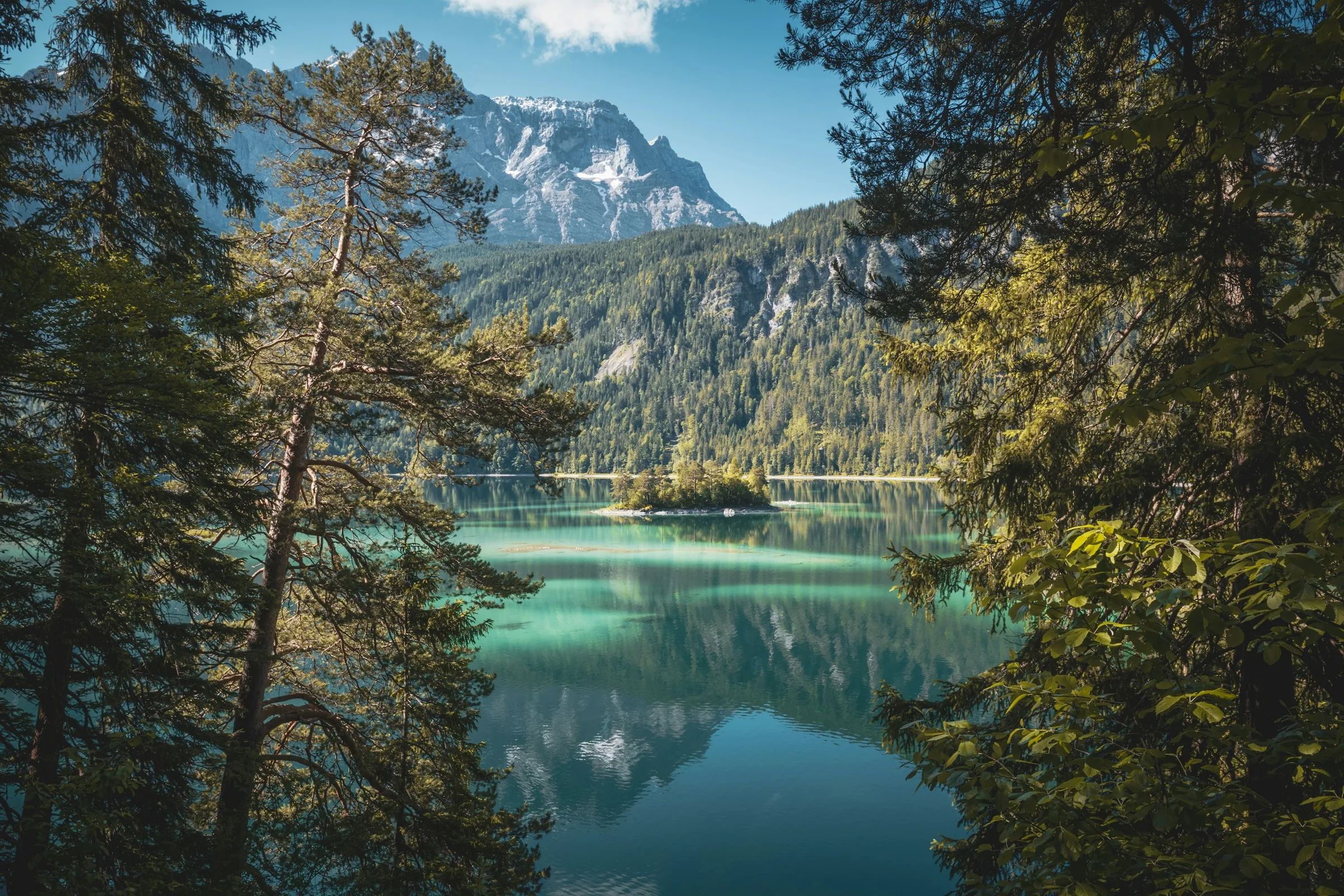
South Tyrol blends Austrian alpine heritage, Italian culture, and German-speaking tradition within an autonomous province. UNESCO Dolomites, reliable weather, and refined infrastructure beckon hikers, wine lovers, and culture enthusiasts. Compared to German alpine zones like [Bavaria](/en/destinations/bavaria), South Tyrol carries stronger Italian and cultural imprints.
Top Attractions
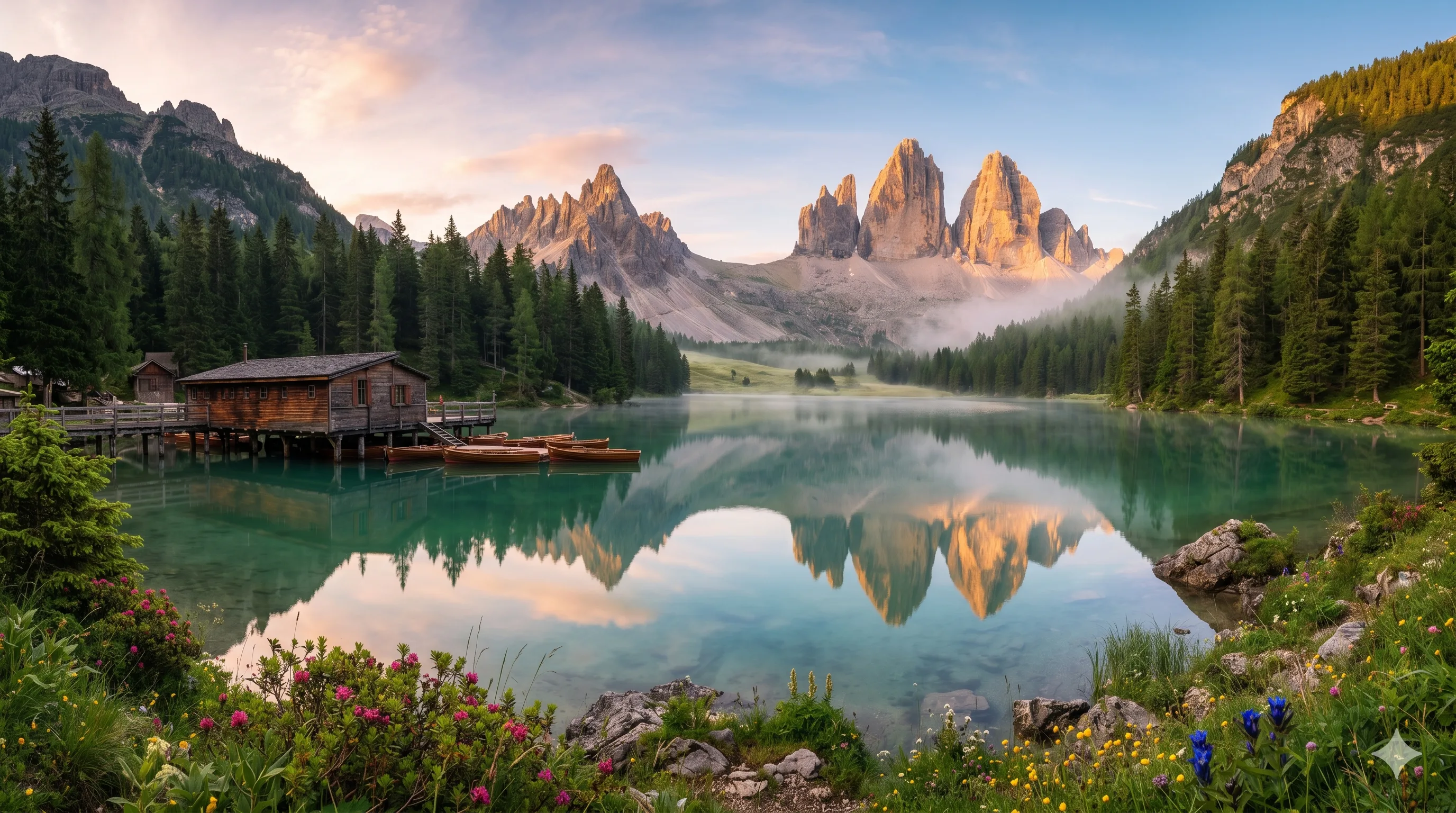
Tre Cime (Three Peaks) stand like natural cathedrals at the eastern edge of the UNESCO Dolomites. This rock formation ranks among the Alps’ most iconic peaks — photographers and hikers flock especially at sunrise and sunset. Ascent times vary by route: 2–4 hours, technically easy to moderate.
Pragser Wildsee is one of the most visited alpine lakes, its turquoise-green waters framed by limestone cliffs. The New York Times named it a global must-see destination. Lake circuit walk takes about 1 hour; boat rentals available on-site. Approximately 1.5 hours’ drive from Bolzano.
The Archaeological Museum Bolzano houses Ötzi, the world’s most famous glacier mummy, plus extensive copper-age finds (circa 3300 BCE). Admission around 13 EUR. Morning hours are less crowded.
Schloss Trauttmansdorff near Meran features four botanical garden worlds showcasing roughly 100,000 plants globally — from subtropical to subalpine zones. Admission around 16 EUR. Botany enthusiasts should allow 3–4 hours.
Meran Thermal Spa ranks among the Alps’ most modern thermal bath complexes. Multiple pools (warm, cool, outdoor), saunas, and massage services. Admission from 18 EUR for 3 hours. A favourite winter wellness destination.
Historic Bolzano’s old town offers medieval alleyways, the Obstplatz farmer’s market, and the Church of St. Ulrich with its gothic bell tower. Free admission. Perfect for strolling and café breaks.
The Ritten Cable Car runs from Bolzano up to Oberbozen (ca. 1,200 meters), a popular day trip for hikers. The historic Ritten Railway (cogwheel train) connects town to mountain. Round-trip approximately 20 EUR.
Kalterer See (Lago di Caldaro), 30 kilometers south of Bolzano, serves as a popular bathing lake with shallow shores and calm waters. Ideal for families. The surrounding region is also known for wine tastings.
Day Trip Ideas
The Ötztal (Austria, accessible via border crossing) lies roughly 1.5 hours north of South Tyrol, offering gentle alpine meadow walks, traditional fishing villages, and mountain vistas. Numerous marked routes suit beginners.
Pustertal stretches northeastward from Brixen through pristine valleys with medieval townscapes like Bruneck and Toblach. Ideal for cycling or staged road trips — approximately 90 kilometers long.
Schnalstal, northwest of Meran, offers ridge hikes overlooking the glaciers of Similaun. Access via cable car from the valley town of Schnals. Lift ticket around 18 EUR; hiking thereafter is free.
Passeier Valley south of Meran is famed for leisurely valley walks and via ferrata routes. The town of Passeiertal itself serves as a trailhead for multi-day hut-to-hut tours.
Zillertal (Tyrol, Austria) sits roughly 1.5 driving hours north of Bolzano, leading toward Zwölferkopf and other cross-border hiking zones. The Brenner Pass marks the frontier.
Hidden Gems
Sexten Dolomites area, centred on the small village of Sexten, receives fewer visitors than Tre Cime yet offers comparable rock formations and serene high routes. Perfect for hikers seeking solitude.
Villnöss Valley represents one of South Tyrol’s most conservative Ladin valleys — original alpine huts, uncluttered meadows, and UNESCO-protected cultural landscapes. Car-free, locals only. Valley walk with transit takes 3–4 hours.
The Latemar range provides 360-degree ridge circuits and remains considerably quieter than Tre Cime routes. Roughly two hours’ drive from Bolzano. Access mainly via Latemar cable car (approximately 20 EUR).
Villnöss Nature Park draws photographers seeking architectural alpine vernacular and summit-glow photography. Four hours from Bolzano; affordable lodging on-site.
Best Time to Visit
Summer (June to August) offers warmest weather and longest daylight — ideal for high-altitude hikes and climbing. Drawback: July–August draw peak tourism; hotels are pricier, trails crowded.
May, June, September, and October are the Golden Months for visitors seeking quality without extreme crowds. Temperatures stay mild (15–25°C), days remain long, and autumn foliage adds splendour.
Winter (December to March) attracts skiers and snow hikers. South Tyrol operates an extensive ski network (Dolomiti Superski) with reliable snow at altitude. Caveat: expensive during Christmas week; winter tires/chains required.
Spring (March/April) is underrated — few visitors, early wildflowers, and pleasantly mild afternoons. Snowmelt may temporarily block some trails. October offers similarly quiet conditions with Indian-summer days.
Best time to visit: Apr, May, Jun, Sep, Oct. Peak season: Jul, Aug.| Jan | Feb | Mar | Apr | May | Jun | Jul | Aug | Sep | Oct | Nov | Dec |
|---|
| Low | Low | Low | Sweet Spot | Sweet Spot | Sweet Spot | Peak | Peak | Sweet Spot | Sweet Spot | Low | Low |
8° 0° | 10° 1° | 15° 5° | 20° 9° | 25° 14° | 28° 18° | 29° 20° | 28° 19° | 24° 15° | 19° 10° | 12° 5° | 8° 1° |
- Peak Seasonbusy · high prices
- Sweet Spotideal weather · fewer crowds
- Low Seasonquiet · affordable · variable
Cultural Characteristics
Bilingualism is a defining South Tyrolean trait — all street signs, notices, and official documents appear in German and Italian. This reflects an autonomy agreement protecting German-speakers after fascist-era suppression in the 20th century. The Tyrolean dialect, spoken as a heritage language, differs markedly from standard German.
The Ladin people (roughly 5% of the population) speak a language related to Rhaeto-Romance, adding cultural depth. Ladin remains daily speech in Gröden and Fassa valleys especially.
Alpine traditions — yodelling, lederhosen at festivals, dairy farming — define South Tyrol’s identity as lived culture, not performative heritage. Many farms offer agritourism: guests work briefly, dine on home-made cuisine.
Prickelsuppe and Knödel are South Tyrolean specialities bridging Viennese and Tyrolean kitchens. South Tyrolean wine (Gewürztraminer, Lagrein, Vernatsch) earns international respect — over 98% of vineyards hold DOC status, the highest classification.
The autonomy story surprises many visitors: South Tyrol remained Austrian until 1919, then fell to Italy, experiencing Mussolini-era repression (forced Italianization, language bans). The 1948 autonomy statute has since protected minority rights — public positions fill via a “language key” proportional to population.
Pitfalls to Avoid
Dismissing bilingualism proves tactless. Don’t assume everyone speaks solely German or Italian — the region is deliberately multilingual. Disregarding this reality gets noticed.
Trivializing the historical Austria–Italy tension misses the point. South Tyrol endured complex, often painful history between both nations. Comments like “Really, you’re basically Austrian” or k.u.k. nostalgia misstep.
Leaving marked trails unsupervised, particularly in protected zones. The Dolomites remain partially strictly guarded — marked-path-only entry protects flora and fauna.
Driving unwinterized or without snow chains during winter. South Tyrol mandates winter tires (M+S marking) or chains in snow/ice. Fines are substantial; accidents frequent.
Underestimating alcohol customs: Though wine and beer thread the culture, driving impaired is strictly forbidden — limits and enforcement are strict.
Getting Around
The nearest major airport is Innsbruck (Tyrol, ca. 100 km), followed by Verona (ca. 200 km) and Milan-Malpensa (ca. 250 km). From Innsbruck it’s roughly 2 driving hours to Bolzano. Alternatively, the Brenner Railway connects Munich/Innsbruck to Bolzano (ca. 6–7 hours from Munich).
South Tyrol operates an outstanding public transit network. The Mobilcard pass (1, 3, or 7 days) covers buses, cable cars, and regional trains economically (from roughly 55 EUR for 7 days). Visit fahrplan.it for full schedules.
Car rental is available at airports and in towns. Essential for alpine excursions, though limiting flexibility (cable cars save time). Parking in Bolzano and Meran incurs fees (roughly 1–2 EUR hourly); blue-zone system applies.
South Tyrol operates a modern cable-car network ascending into the high peaks — Latemar, Ritten, Schnals, and more. Excellent for hikers bypassing acclimatization phases.
South Tyrol champions cycling culture. Bike rentals operate in cities; cycle paths thread valleys (e.g., Adige Path). E-bikes available.
Entry & Formalities
German citizens require only a valid passport or ID for Italy entry. No visa needed for EU citizens. Border controls at Brenner are standard.
German health insurance is recognized in Italy with a valid EHIC card. Travel insurance still recommended (repatriation, dental).
The Euro is legal tender — no exchange needed. ATMs are ubiquitous.
Pets may travel with an EU pet passport, rabies vaccination proof, and microchip identification. Verify exact requirements pre-trip.
Winter driving requires winter tires (M+S marking) or snow chains during snow/ice conditions (November to March or weather-dependent). Missing chains incur 40–100 EUR fines.
Germans face no customs restrictions on personal goods — standard EU rules apply. Cash over 10,000 EUR must be declared.
Health & Safety
Standard vaccinations (tetanus, diphtheria, polio, pertussis, hepatitis A/B, measles) are recommended. South Tyrol is a safe destination without endemic tropical diseases.
Summer (June–September) brings mosquitoes in valley areas — DEET-based repellent advised, especially near wetlands. Dengue and malaria are non-endemic.
Tap water is safe and high-quality, sourced from alpine springs.
Pharmacies and doctors exist in all larger towns. Pharmacy emergency services available via phone. European emergency: 112.
High-altitude UV exposure is intense — high-SPF sunscreen (50+) essential, especially for ski slopes. Snow blindness is possible without sunglasses.
Both summer and winter sports carry real avalanche and rockfall hazard. Consult weather forecasts, respect altitude limits, hire local guides if uncertain.
Neighbouring Trentino Province (south) hosts a small bear population — documented sightings and occasional incidents occur. South Tyrol reports only rare sightings. Standard precautions (make noise while hiking, avoid food in tents) suffice.