€€Indonesia
Bali: where rice terraces meet ancient temples
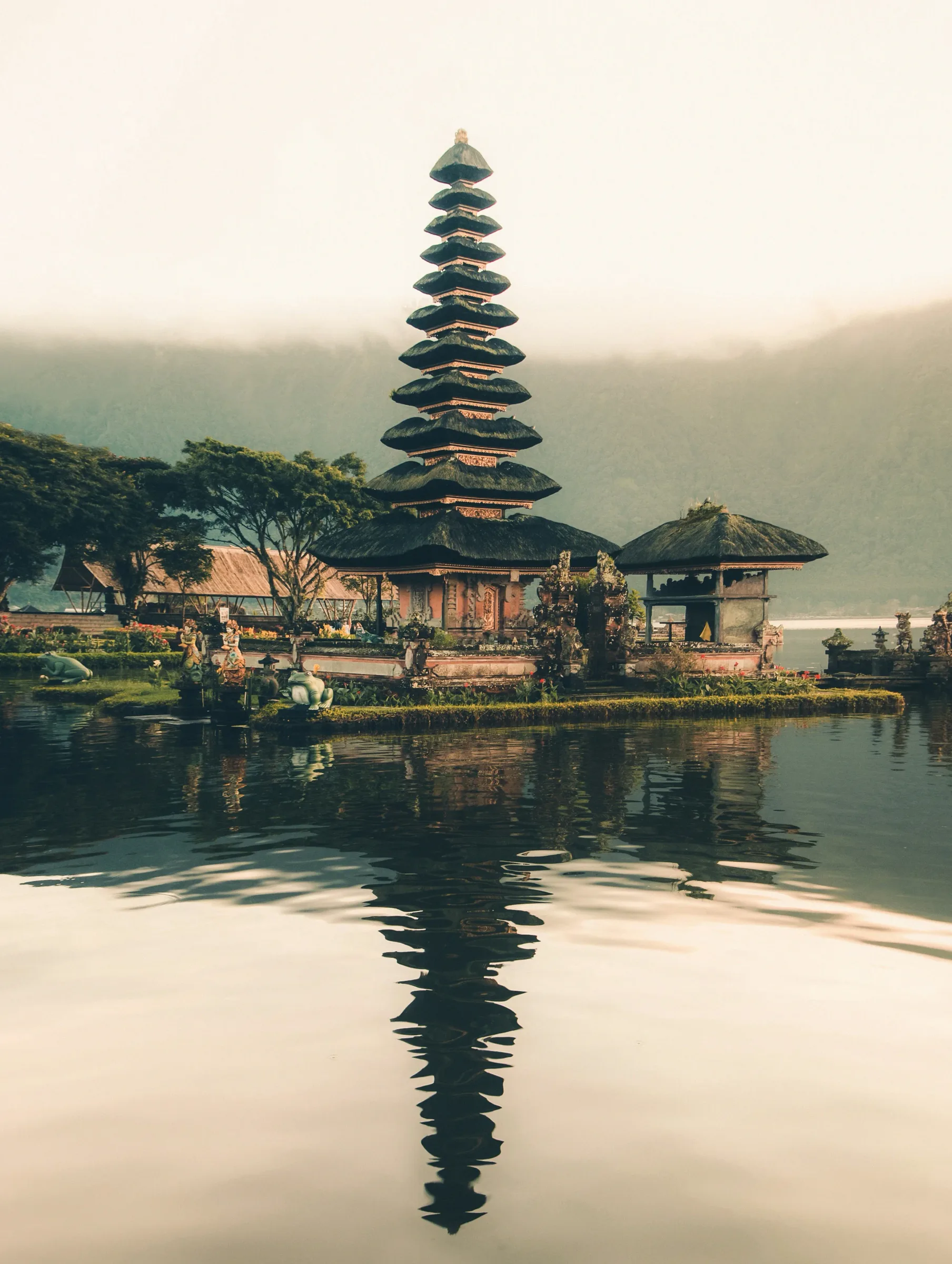
Bali packs Balinese-Hindu temple culture, tropical highlands, and varied coastline into one dense destination. Here's what to know before you book.
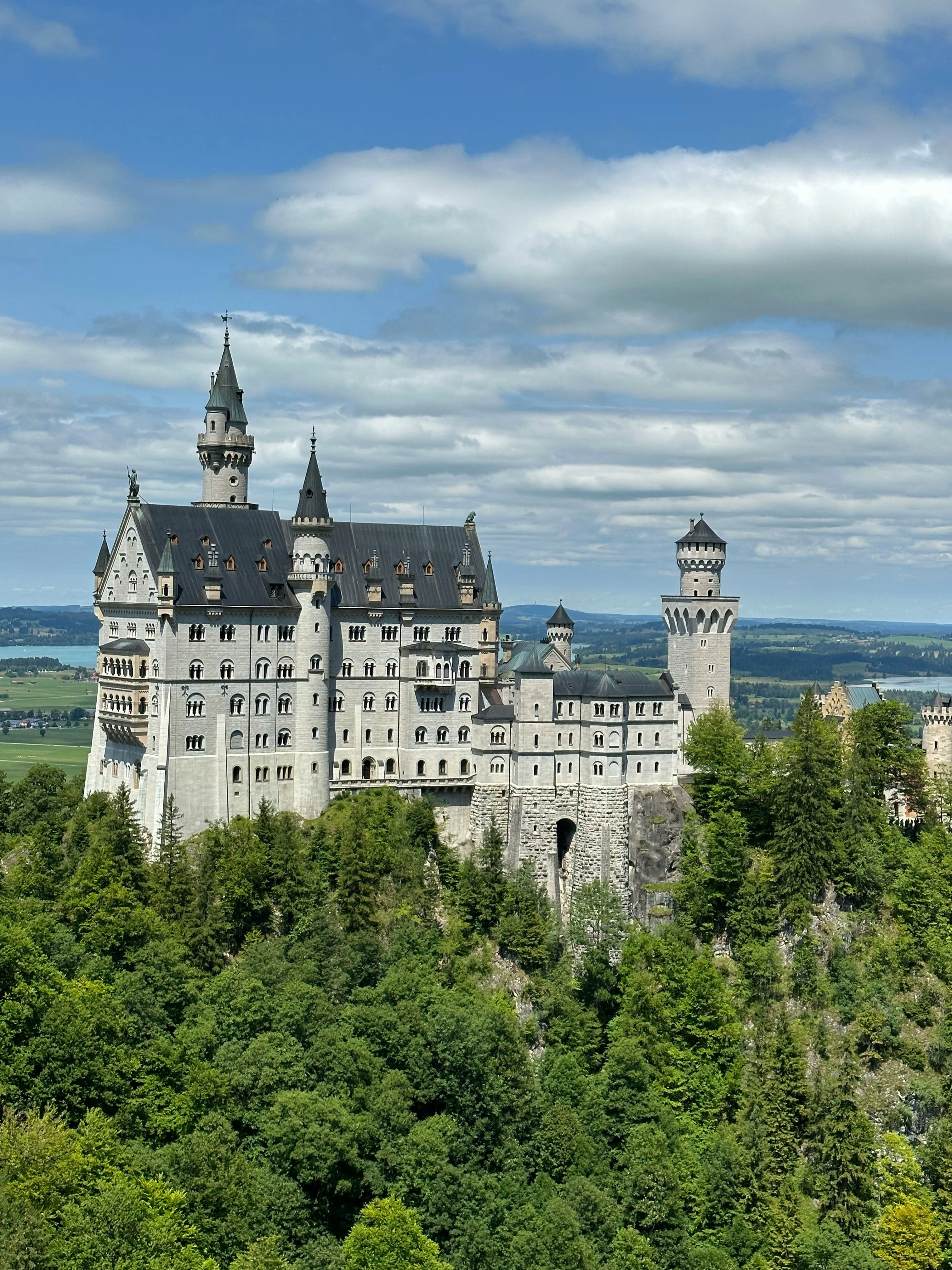
Germany · Bavaria / Baden-Württemberg
The Allgäu is a gentle Alpine region south of Munich featuring Neuschwanstein Castle, traditional cheesemaking, and charming mountain villages—accessible, authentic, and far less crowded than other Alpine destinations.
The Allgäu is not “undiscovered” Bavaria—but it is more accessible than the Swiss Alps and far less crowded than Tyrol. Highlights concentrate in the Ostallgäu district south of Kempten.
Neuschwanstein Castle and Hohenschwangau dominate the visitor landscape. Neuschwanstein attracts approximately 1.5 million visitors annually. King Ludwig II’s first dream, built in 1869 on cliffs above Füssen. The castle is closed during winter (November to March). Practical note: Booking online or at the Hohenschwangau ticket center is required; entry is approximately $16 per castle (approx. €15) or $31 for both castles (approx. €29). Start early (8 or 9 am) to avoid visitor crowds. The Tegelberg cable car offers the classic photographic perspective of the castle from the northwest.
Lindau on Lake Constance is not a hidden gem, but essential. The old town occupies an island with well-preserved patrician houses from the 15th to 18th centuries. The harbor gate with the Bavarian Lion (landmark since 1856) is an obligatory photo stop. St. Peter’s Church (circa 1000 AD, among the oldest in the region) is austere inside, atmospheric outside. Maximilianstrasse for shopping. Practical note: Lindau lies 1.5 hours south of Kempten, parking on the lakeside is fee-based ($3–5 approx. €3–5 per day).
Kempten (old town and Roman Cambodunum) has a 2,000-year settlement history. The modern center feels unremarkable, but the old town surrounding St. Lorenz Basilica (1652–1666, Baroque jewel) and the adjacent Residence (1748–1768) demonstrate historical significance as a prince-bishopric. The Cambodunum Archaeological Park (southeast of center) documents the Roman provincial capital with in-situ excavations. Free entry. The Kunsthalle Kempten (modern) and Allgäu Gallery are optional.
Füssen is the arrival town. The old town along the Lech is compact (30 minutes suffices), with Hohe Schloss (16th century, prince-bishop summer residence, now state gallery) as the main attraction. Lechfall (Lech waterfall, 12 meters) is modest but photogenic. The Lech Gorge hike begins from Füssen toward Steingaden and offers river walking through limestone canyons (2–3 hours). Füssen itself is loud and densely touristic during peak season.
Oberstdorf is the serious Alpine village. Winter sports hub (host of the Four Hills Tournament, 130 km of ski slopes in the region), summer destination for hiking enthusiasts. The town center is small; main attractions are infrastructure (cable cars, Nebelhorn chairlift, forest-path hikes to Rubihorn with waterfalls). The Fellhorn cable car offers views across the Alpine chain. Practical note: Oberstdorf is the Allgäu’s southeasternmost town, near Austria. Travel time from Munich to Oberstdorf is approximately 2 hours by car or train.
Tegelberg Loop is a concentrated hike (without overnight). From Füssen, forest trail over Ahornsattel pass to Tegelberghaus (cable car station, 1,380 m), then descent to Alpsee (alpine lake, cool for swimming July/August). Total duration 4–5 hours. The route is flexibly divisible.
Allgäu days are short and compactly structured. General rule: Mountain region without wilderness.
Pfronten hikes (from Füssen, 45 km away) — Valley walks and medium-difficulty mountain ascents. Aggenstein (1,984 m) is a classic half-day climb (4 hours roundtrip from Pfronten village). Views across Allgäu and Lechtal Alps. Falkenstein (1,531 m) is easier, 2–3 hours. Pfronten itself is a sprawling mountain village without a center—parking at the valley info center recommended.
Oy-Mittelberg and Wertach Valley—South of Oberstdorf lies a quiet valley. Oy-Mittelberg is a car-free mountain village (only cable car access). The pilgrimage church Maria Rain (founded 11th century, wall frescoes) lies in Wertach Valley (river valley between forests)—20 minutes’ walk from Oy. The church is open weekdays, interior simply impressive. The Oy Panorama Trail offers views of Rottachsee (alpine lake, no restaurant). Practical note: From Oberstdorf, 30 minutes by car to Oy parking, then cable car.
Lindau harbor walk and Lake Constance promenade (full day)—1.5 hours from Füssen. Morning harbor walk (free), lunch near harbor (expensive, $19–27 approx. €18–25 per person for lunch menu), afternoon along Lake Constance shoreline toward Wasserburg or Hergisweiler (small resort towns). Return in evening.
Neuschwanstein hike instead of castle tour—Castle entry is time-intensive (queues, 1.5-hour guided tour). Alternative: Tegelberg Loop or Pöllat Gorge hike (limestone gorge at castle, 1 hour, free, spectacular).
Allgäu travelers know Neuschwanstein. These places, not so much.
Maria Rain Pilgrimage Church in Wertach Valley was founded 11th century, with Rococo side chapels added later. The church lies off main routes along the river, opens weekdays 9 am–5 pm (key at valley info center). Inside: stone pulpit, wall frescoes, cool acoustics. No café, no gift shop. 20-minute walk from Oy village. Estimated visitor count under 50 per day.
Oy-Mittelberg Duftort (Scent Location) is an experimental botanical site with scent stations (lavender, herbs, forest aromas). Fee-based ($9 approx. €8), trails free daytime access. Little-known, ideal for photographers and sensory enthusiasts.
Allgäuer Käsestraße (Cheese Route) spans 220 kilometers through traditional dairies from Oberstaufen (west) to Isny (east). Not a continuous road but marked stops at dairies offering tastings and cheese courses. Allgäuer Emmentaler and Bergkäse following raw-milk recipes. Visiting hours: Monday–Friday daytime (10 am–12, 2–5 pm); weekends closed. Individual dairies (e.g., Käserei Wechsel in Bad Wörishofen) have farm shops with tasting counters. Practical note: Not feasible as single-day “cheese pilgrimage”—rather a thematic guide for multiple days.
Smaller mountain villages (Balderschwang, Hindelang, Mittelberg) are car-free or lightly trafficked villages with traditional architecture (wood facades, flower boxes). Not spectacular, but authentic. Balderschwang (high-altitude village at 1,073 m) is an Alpine dairy village with cheese-serving inns.
| Jan | Feb | Mar | Apr | May | Jun | Jul | Aug | Sep | Oct | Nov | Dec |
|---|---|---|---|---|---|---|---|---|---|---|---|
| Low | Low | Sweet Spot | Sweet Spot | Sweet Spot | Peak | Peak | Peak | Sweet Spot | Sweet Spot | Low | Low |
5° -4° | 8° -1° | 11° 0° | 14° 2° | 19° 7° | 25° 11° | 24° 13° | 24° 12° | 20° 9° | 16° 5° | 9° 0° | 5° -3° |
The Allgäu season divides into three windows. Practical to know:
June through August shows summer conditions. Daytime temperatures 24–25 °C, nights 12–13 °C. Rainfall 144–173 mm monthly (afternoon thunderstorms possible). This is high season with full parking lots (Neuschwanstein, Oberstdorf). Hotels $86–162 per night (approx. €80–150 mid-range). Mountain huts open. Hiking season at full capacity.
September through October shows early autumn conditions. Daytime temperatures 16–20 °C, nights 5–9 °C. Rainfall 70–111 mm. This is Viehscheid/Almabtrieb season (see Cultural Highlights). Visitor numbers drop after September. Hotels $76–140 per night (approx. €70–130).
December through February is winter. Daytime temperatures −4 to 8 °C, nights −4 to 0 °C. Snowfall risk November to March (irregular but likely above 1,000 m elevation). This is winter sports high season (skiing, cross-country). Avalanche danger in high Alpine terrain (daily report). Hotels $108–194 per night (approx. €100–180 ski season premium). Christmas markets December.
March through May and November is shoulder season. Temperatures 9–19 °C. Hiking possible, but mountain huts only partially open. Leaf emergence (March/April) and fall colors (November) are scenically attractive. Hotels $65–108 per night (approx. €60–100). Fewer visitors than summer.
Avoid July and August if sensitive to crowds. Plan Viehscheid dates (September/October) ahead if interested in the spectacle.
The Allgäu is not merely natural landscape—it has traditions worthy of respect.
Viehscheid/Almabtrieb (cattle drive) runs from early September through early October, dairy cattle return from high-Alpine pastures to the valley. These are ritualized cattle migrations accompanied by herders, traditional musicians, and approximately 30 villages along the Alpine chain. Cows are decorated with handcrafted flower crowns and cowbells. Roughly 30,000 cattle, 60,000+ visitors per season. Dates vary by location (Oberstdorf usually 2nd weekend September, Bad Hindelang late September, Immenstadt mid-September). The atmosphere is loud, folklorically authentic, not Disney-staged—this is genuine Bavarian cultural heritage. Important: Cattle can become restless; maintain distance. Photo etiquette: Herders are not statues; ask before photographing.
Allgäu cheese culture—Cheesemaking follows raw-milk recipes (some 500 years old). Allgäuer Emmentaler holds protected designation of origin. Dairies conduct farm sales (Tuesday–Friday 10 am–12, 2–5 pm). Price per kg: $9–13 (approx. €8–12) depending on age. Cheese courses available in Bad Wörishofen and Oberstaufen (registration required). This is not tourism cheese but genuine local economy.
Allgäu dialect—South German (Swabian-Alemannic mixed variant). Standard German prevails in cities; dialect in rural areas. Not required to understand, but showing respect when locals speak it is appreciated.
Traditional dress and customs—Leather pants and dirndls appear at Viehscheid festivals and local fairs. Not “tourist costume” but family-inherited Sunday wear. Respect this distinction.
Inn culture—Allgäu inns are village gathering places, not primarily restaurants. Hours irregular (often closed Tuesday/Wednesday). Reservation recommended. Menu small, regional. Lunch special: $9–15 (approx. €8–14).
The destination is safe and welcoming, but ignorance causes problems.
Underestimating Alpine weather shifts—The Allgäu looks sunny in the morning. By 2 pm, a thunderstorm can materialize from nowhere. Temperature swings of 15 °C in 30 minutes are documented. Hikers starting lightly dressed risk hypothermia. Jacket and rain protection belong in every rucksack.
Ignoring Alpine flora rules—Meadows are private. Walk only on marked trails. Alpine flowers (gentian, Alpine rose, edelweiss) are protected; picking is illegal.
Skipping mountain hut reservations—Popular huts (e.g., Schrecksee hut) have limited capacity. Without reservation (48 hours ahead) you risk rejection. Hours are seasonal (June–October typically, closed Fridays and Saturdays except by arrangement). Phone call recommended.
Treating tick protection as optional—95 of 96 Bavarian districts are FSME risk areas. FSME can transmit directly upon tick bite without delay. Lyme borreliosis transmits after 12–24 hours. Vaccination (three-dose series) or daily body inspection after hikes (tick check in armpits, groin, behind knees) is not paranoia but standard.
Taking winter avalanche danger lightly—December to March: Daily avalanche report from Bavarian Avalanche Warning Service is mandatory reading for mountain tours. Yellow/Orange/Red signals increasing danger. Red warning = no tours without avalanche safety gear (beacon, shovel, probe). Snowbreak is also a risk.
Disrespecting Viehscheid/festival atmosphere—The cattle drive is not a silent nature experience. Music, loudspeakers, festival tent operations, crowds. Those seeking quiet avoid other weekends.
Arriving in the Allgäu
By air: Munich airport (MUC) lies 120 km north. Train connection Munich–Kempten takes 90 minutes (CityNightLine or regional rail, $27–49 approx. €25–45 depending on time). Alternative: Stuttgart (STG) to Füssen is 180 km by car (2.5 hours). Friedrichshafen (FKB) on Lake Constance is closer to Lindau (50 km, 1 hour bus/train).
By car: From Munich south via B2 or B12 into core Allgäu. No highway tolls (Germany). Parking in Füssen/Hohenschwangau fee-based ($4–6 approx. €4–6 per day); smaller villages free but limited.
By train: German Rail regional (RE/RB). Munich central to Kempten (IC 90 min, $43–65 approx. €40–60). Kempten to Oberstdorf (RB 1 hour, $11–16 approx. €10–15). All Bavarian public transport can be covered with the Bayern-Ticket ($26 approx. €24 per day, up to 5 persons) or Regio-Ticket Allgäu-Schwaben (cheaper for local routes).
Local mobility
Public buses connect villages (e.g., Oberallgäu bus from Oberstdorf to Oy-Mittelberg, $1–5 approx. €1–5 per segment). Schedules online (Allgäu Transit Authority). Frequency: 1–2 buses per hour during rush, less frequent evenings.
Cable cars/mountain railways: Tegelberg (Füssen, $9 approx. €8 one-way), Nebelhorn (Oberstdorf, $13 approx. €12 one-way), Fellhorn (Pfronten, $11 approx. €10 one-way).
E-bike rental: Available in larger towns (Füssen, Oberstdorf, Kempten). Price: $16–27 per day (approx. €15–25). Bike trails well-developed (Iller Valley Bike Route, Lech Valley Bike Route, Allgäu Bike Route). One-way returns available.
Car rental: Useful for flexible day trips (e.g., Lindau). From $43 per day (approx. €40). Fuel price Germany (June 2026): approximately $1.78 per liter (approx. €1.65). No tolls.
On foot: Allgäu is very hiker-friendly. Marked trails standard. Map materials (Alpine Association 1:50,000 or 1:25,000) or the Komoot app are reliable.
EU citizens require no visa for Germany. A valid ID (national ID card or passport) is mandatory. Passport validity beyond your stay is standard practice but not legally required (up to 90 days). National ID card is sufficient.
Non-EU citizens require a Schengen visa (90 days possible within 180-day period). Processing time: up to 15 calendar days. Cost: $97 (approx. €90). Submit visa application at German consulate in home country. Required documents: Passport (valid at least 3 months beyond departure), travel insurance, accommodation booking, return flight ticket, bank statement (proof of funds). Work authorization not included.
ETIAS (from Q4 2026): EU and Schengen citizens exempt. Non-Schengen citizens may require electronic travel authorization (ETIAS) by Q4 2026, but this does not affect Germany, as visa-free status remains unchanged (ETIAS is registration addition, not visa replacement).
Border controls between Germany and Austria (south of Allgäu, e.g., Oberstdorf–Kleinwalsertal border) possible but not guaranteed. Always carry ID.
Customs rules: Personal items and reasonable quantities of food for personal use are duty-free. Alcohol (up to 10 liters spirits or equivalent beer) and tobacco (up to 200 cigarettes) have duty-free allowances for entry from outside EU.
Generally: Germany has an excellent public health system. European Health Insurance Card (EHIC) from EU citizens accepted. Non-EU citizens should obtain travel insurance with medical evacuation coverage.
Tick protection and FSME—Critical in the Allgäu. 95 of 96 Bavarian districts are FSME risk areas. FSME is viral meningitis transmitted directly upon tick bite (not delayed). Vaccination (three-dose series, valid ~10 years) available through general practitioner or travel medicine clinic. Alternatively, daily body inspection after hikes: check for ticks as small as pinheads (armpits, groin, behind knees). Upon tick bite, do NOT squeeze or apply oil/alcohol (releases pathogen); use tweezers or tick card to pull perpendicular, disinfect, consult physician. Lyme borreliosis (Lyme disease) is second risk (transmitted 12–24 hours post-bite), less dramatic than FSME but treatable with antibiotics in early stage.
Altitude and acclimatization—Allgäu ranges from 500 m (valleys) to 2,600 m (Hochvogel peak). For typical hikers (up to 2,000 m) no acclimatization needed. Headaches and fatigue over first day are normal and reversible.
Tap water: Safe everywhere. Quality meets WHO standards.
Pharmacies and physicians: Present in every village. Hours: Monday–Friday 9 am–6 pm, Saturday 9 am–1 pm, Sunday closed. Emergency pharmacy information by phone or online. Physicians take walk-ins for emergencies or direct to clinic.
Winter avalanche danger—December to March may present avalanche risk (likely above 1,000 m). Daily Bavarian Avalanche Warning Service report (lawinenwarndienst.bayern.de, 8 am–5 pm). Danger levels: 1 (low) to 5 (very high). Levels 3+ require avalanche safety gear (beacon, shovel, probe). Off-piste tours without guides only at levels 1–2.
Mountain rescue: Helicopter rescue organized, cost-free (insured/state-funded). Emergency number: 112. Have GPS coordinates ready.
Insurance: Travel insurance with nature/adventure coverage recommended (extraction, helicopter, repatriation). Cost: $16–32 for 2-week trip (approx. €15–30).
Frequently asked questions about the Allgäu:
When is best for hiking? June through September safest. May and October possible but expect snow above 1,500 m. Spring snowbreak is a risk.
Is Neuschwanstein really that crowded? Yes. 1.5 million visitors annually. Early tour (8 or 9 am start) reduces crowds by roughly 40%. Off-season (November to March) nearly empty.
Can I visit without hiking experience? Yes. Many easy valley walks (2–3 km, flat) like Lech Gorge near Füssen or Lindau harbor loop are accessible.
How much for a night’s lodging? Mid-range (3-star): $76–162 per night depending on season (approx. €70–150). Budget (2-star inn): $54–86 (approx. €50–80). Luxury (4-star): $194–324 (approx. €180–300). Holiday apartments: $65–130 for 4-person unit (approx. €60–120).
Do Allgäu locals speak English? Well in Füssen, Oberstdorf, Lindau, and larger hotels. Less so in small villages (under 500 residents). Google Translate helps.
Bali packs Balinese-Hindu temple culture, tropical highlands, and varied coastline into one dense destination. Here's what to know before you book.
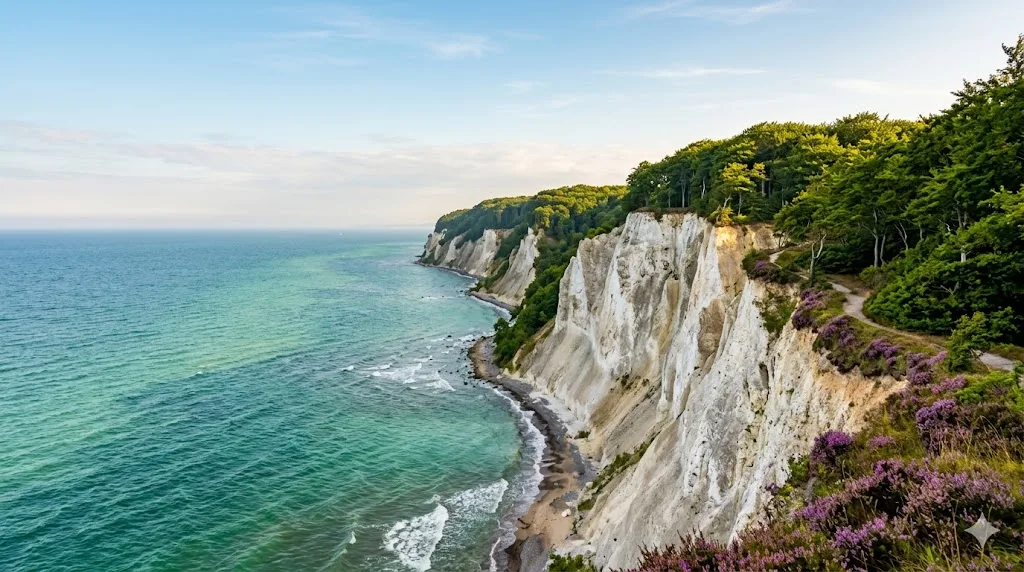
The Baltic Sea offers fine sandy beaches, charming seaside resorts, and family-friendly amenities—a budget-conscious alternative to Mediterranean destinations for families.
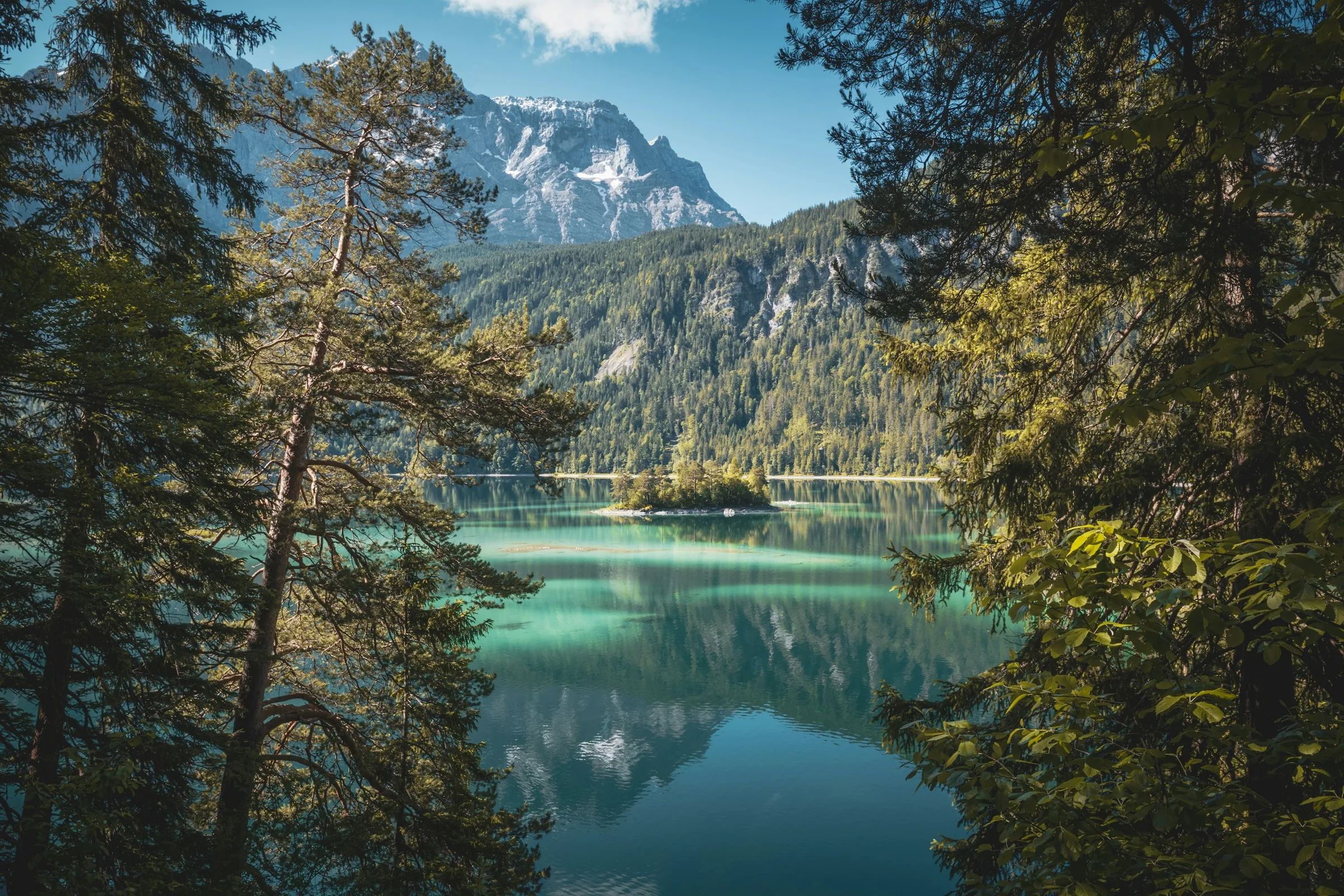
Bavaria blends Alpine drama with castle-studded valleys. A year-round family destination: hiking and lakes in summer, skiing in winter, culture year-round.
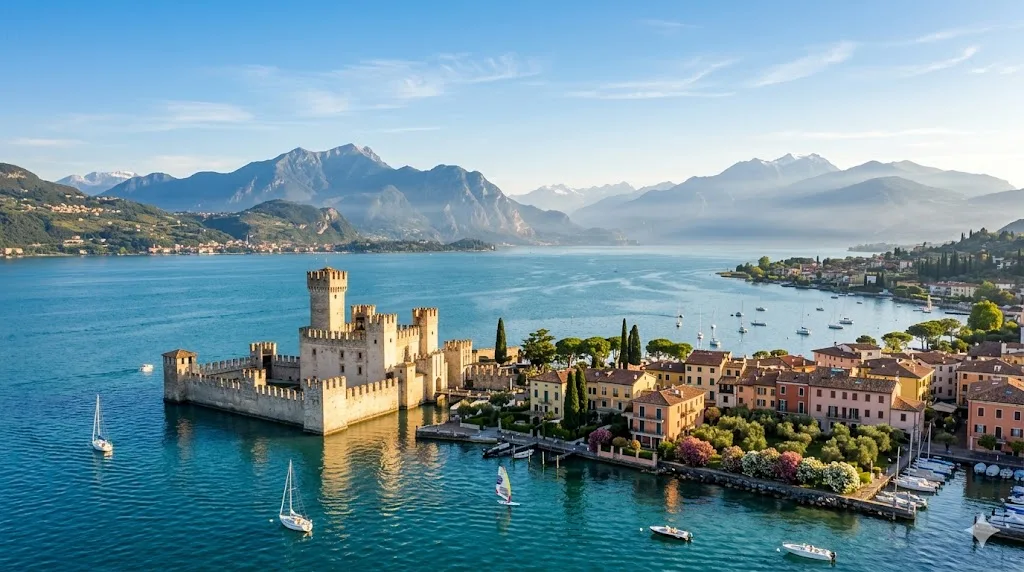
Lake Garda is Italy's largest lake, combining lakeshore climate with Alpine panorama. A handbook for family vacations, water sports, and cultural excursions into the hinterland.