€Albania
Albania: Adriatic shoreline and Balkan mountain terrain
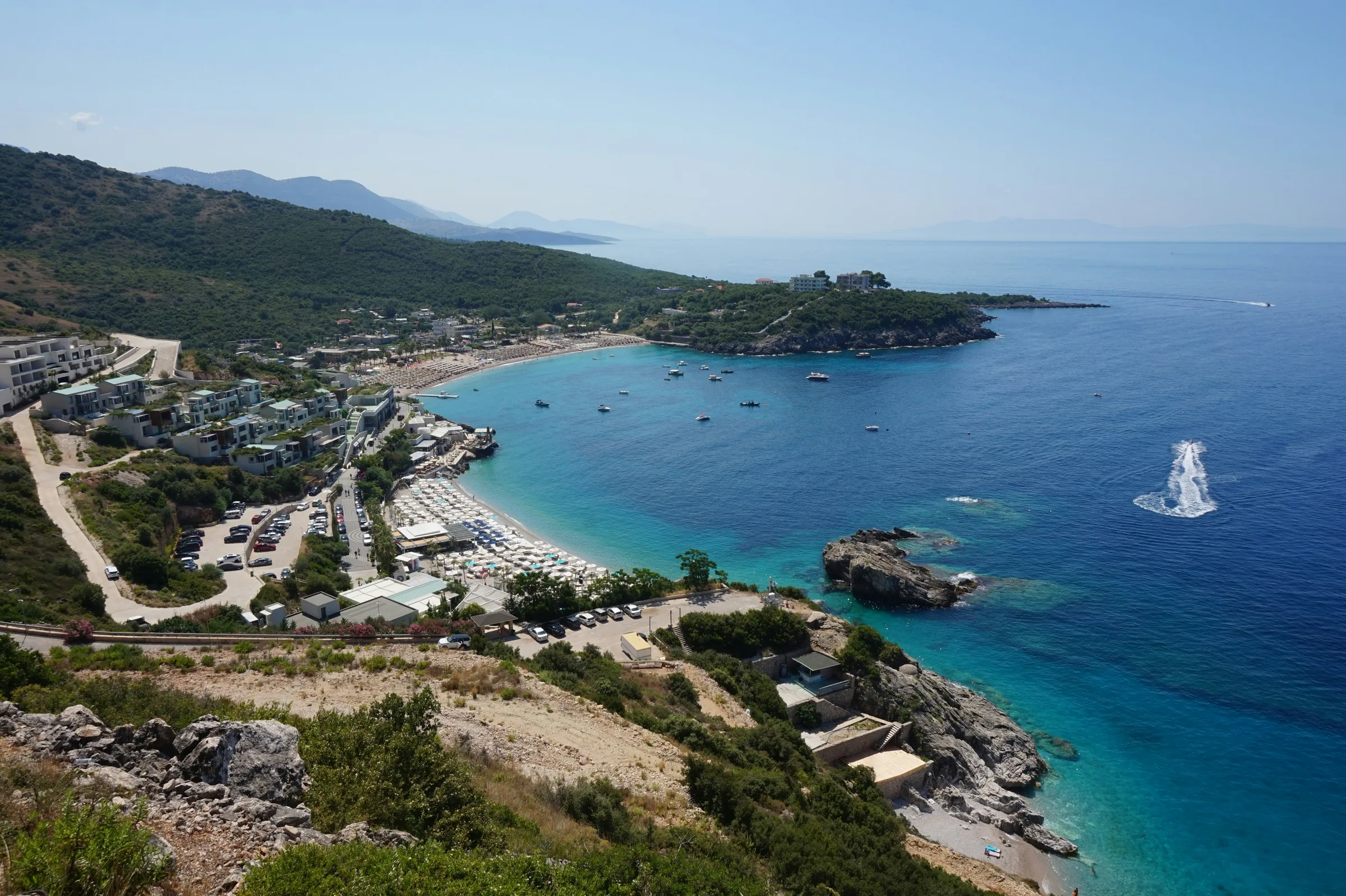
Albania blends Balkan mountains, Adriatic shoreline, and urban culture into an underrated European destination. Here's what to know before you book.
Norway · Scandinavia
Norway's fjords, high-altitude terrain, and Arctic plateau demand respect. Those who venture must understand weather, assess risk, and commit to genuine preparation — there's no romanticizing exposure.
Geirangerfjord is one of Norway’s deepest fjords — 15 kilometers long with 1,500-meter cliff faces and waterfalls dropping directly into the water. UNESCO World Heritage site since 2005. Access: from Ålesund (southwest) or via the E6; the approach road (Trollstigen serpentine route) is itself a technical feature. Best views from Skagefla viewpoint south of the fjord. Boat rides from Geirangervik cost around $21 (approx. 200 NOK). Caveat: Fjords are cold, undercurrents are real. Solid footwear mandatory.
Preikestolen (Pulpit Rock) is a 604-meter cliff rising above Lysefjord, south of Stavanger. Hike from Preikestolen Tourist Station parking lot: roughly 3.8 kilometers round-trip, 330 meters elevation gain, 2–2.5 hours. Trail is well-marked but steep and exposed. Wind at the summit platform is a factor — storms make descent risky. The platform itself is small (about 5×5 meters) and crowded in peak season. Grip-sole footwear essential, especially after rain.
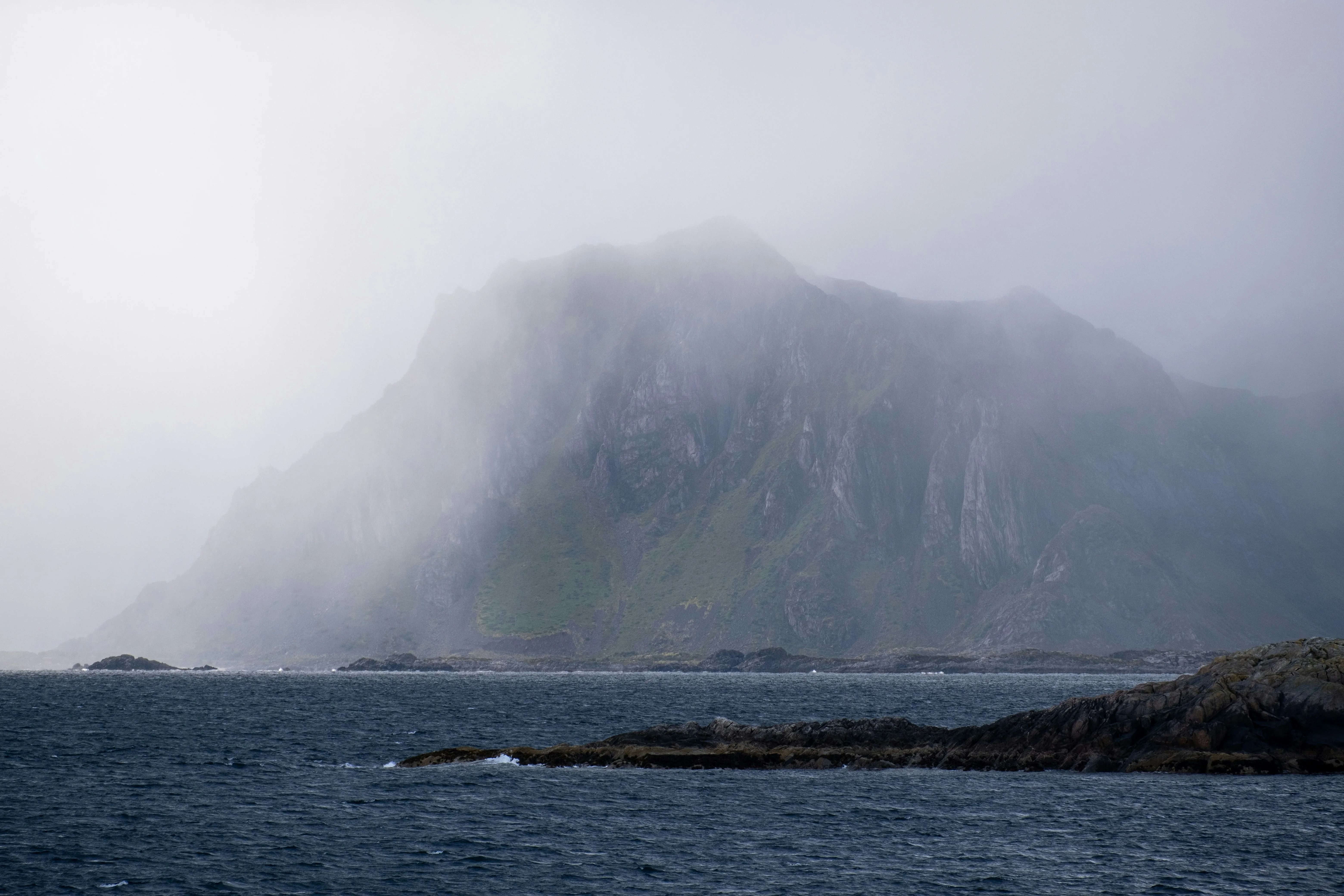
Lofoten Islands are Norway’s Arctic archipelago, well southwest of the North Cape. Notable: Reine (cod-drying village), Hamnøy (red fishing cabins on water), Svolvaer (harbor town), Ballstad (stockfish villages). Mountains rise straight from the sea — highly exposed terrain, little gradation. Hiking is technically demanding; weather shifts in 30 minutes. Access: flight to Leknes airport or Hurtigruten coastal ship. Best seasons: June–August (midnight sun), or December–January (northern lights).
Bergen and Bryggen is Norway’s historic harbor city with UNESCO-protected Bryggen district (medieval Hanseatic wooden houses, 14th–16th centuries). Practical: daily fish market, Bryggens Museum (medieval archaeology). Nice city, but cold and wet — Bergen is one of Europe’s rainiest cities, averaging 200 rain days annually. Waterproof gear mandatory.
Oslo is Norway’s capital with standard offerings: Royal Palace, City Hall, Holmenkollen ski jump (museum attached), Opera House, modernist Barcode district. Oslofjord offers island-hopping (Bygdøy, Hovedøya). Central transit hub with rail connections nationwide.
Hardangerfjord is southern Norway’s longest fjord (179 kilometers) with fruit orchards and waterfalls. The Hardanger Waterfall (Vøringsfossen) is one of Europe’s highest (180 meters). Access from central Eidfjord valley. Less crowded than Geirangerfjord.
Sognefjord is Norway’s longest and deepest fjord (205 kilometers, 1,300 meters depth). Flåm lies at the entrance — gateway to the famous Flåm Railway (20 kilometers, 55 minutes downhill, engineering marvel built in 1940).
Tromsø is the Arctic gateway, 350 kilometers south of the North Cape, and Norway’s prime northern-lights destination. Location: 69°N, 19°E. Polar night December–January, midnight sun June–July. City of 80,000 with solid infrastructure. Note: northern lights are a solar phenomenon — activity is variable; sightings are not guaranteed.
Flåm Railway and Valley (from Oslo): Train to Myrdal (approx. 6 hours), then Flåm Railway down to Flåm (20 kilometers, 55 minutes, 863 meters descent). Follow with fjord sailing Flåm–Gudvangen (approx. 2 hours). Then bus to Voss and return on the Oslo–Bergen railway (7 hours total). Costs: train around $51–72 (approx. 500–700 NOK), Flåm Railway around $31 (approx. 300 NOK), fjord sailing around $41 (approx. 400 NOK). The “Norway in Miniature” package is the classic route — doable as a day trip but exhausting.
Hardanger Waterfall (Vøringsfossen) from Eidfjord valley: 2 hours from Bergen. The 180-meter drop runs heaviest during snowmelt (May–June). Parking, viewpoint platform, short trails to multiple perspectives. Round-trip to Bergen 2 hours. Half-day excursion.
Bergen Railway (Oslo–Bergen) is technically one of Europe’s most challenging rail routes (487 kilometers, 1,237 meters at highest pass Finse, 20 tunnels). Journey time 6.5–7.5 hours depending on train type. Cost around $41–72 (approx. 400–700 NOK) depending on comfort class. The route itself is the attraction — high plateau, lakes, mountain forest.
Jotunheimen National Park sits south of Lillehammer as Norway’s high-altitude core. Base huts: Gjendesheim or Glitterheim. Hikes to glaciers (Styggedalsbreen) and summits (Galdhøpiggen 2,469m, Glittertind 2,452m). Multi-day trekking or day tours. One-day option: drive Oslo–Gjendesheim (3.5 hours), short hike (2–3 hours), return. Best season: July–September.
Trolltunga is a rock ledge south of Hardangerfjord, 700 meters above the lake Ringedalsvatnet. Hike: 10 kilometers round-trip, 900 meters elevation, 5–6 hours. Well-marked trail but exposed and windy; wet surfaces are slippery. Parking at Trolltunga Tourist Station. Best season: June–September.
Hægefjell in Nissedal (Telemark) is a granite wall with long multi-pitch slab and crack routes, roughly 3 hours from Oslo. The rock is clean granite with good friction and crack systems. Less crowded than the Alpine classics. The local climbing community is small but welcoming.
Lyngenfjord is a narrow, scenically rich fjord between Tromsø and the North Cape, with mountain backdrop on both sides (often snow-capped even in summer). Few tourists, strong hiking potential, fishing villages with original character. Access: car or bus from Tromsø (approx. 2 hours).
The Pasvik Valley (Øvre Pasvik) in south-east Finnmark runs along the Finnish and Russian border, with boreal pine forest, clear lakes, and Sami reindeer herding. Sparsely populated, genuine wilderness feel, minimal tourist infrastructure. Not for everyone — requires self-reliance; partial self-catering often necessary.
Gaustatoppen is a 1,883-meter viewpoint mountain south of Rjukan, ringed by hiking routes and the industrial heritage of Rjukan’s hydropower valley (a UNESCO site). Less severe than the high fjord peaks, but more accessible. Quieter than the popular fjord destinations.
Norway’s seasons divide sharply: summer (June–August) for hiking and fjord activity, winter (December–January) for northern lights.
June through August — peak summer. Temperatures 14–23°C (west coast 16–21°C), extended daylight (midnight sun north of 66°N from mid-June). This window is ideal for multi-day trekking and hiking in high-altitude zones. Weather is variable but generally longer dry spells than winter. Highest tourist density, highest prices. This window is essential for hikers — high-altitude trails often don’t clear snow until mid-June; snowfields in Jotunheimen may persist to July.
April and May — spring transition. Temperatures 3–17°C. Snow melts, waterfalls carry peak runoff, but fjord sailing becomes choppy. Ski touring still viable in high elevations. Less crowded than summer, but weather remains fickle (snow, rain, sun in same day).
September and October — autumn transition. Temperatures from 11–18°C down to 6–11°C. Foliage (yellows, reds) visible across south-central Norway, especially Hardangerfjord region. Days shorten, early northern lights possible from mid-September. Tourism tapers; prices drop.
December through February — winter season and northern-lights prime time. Temperatures -3°C to 1°C in the south, colder in the north. Polar night north of 66°N; twilight and darkness dominate. Northern lights peak in activity (December, January maximum). Caveat: aurora is solar-driven; activity is variable. Snowfall, ice, and mountain hazards (avalanches) are real. Only experienced winter outdoors people should move into high-altitude regions.
March and November — shoulder seasons. Temperatures -1°C to 4°C (March) and 1°C to 5°C (November). Weather chaotic (transition). Northern lights still possible (March) or emerging (November). Tourism sparse, prices lower.
| Jan | Feb | Mar | Apr | May | Jun | Jul | Aug | Sep | Oct | Nov | Dec |
|---|---|---|---|---|---|---|---|---|---|---|---|
| Low | Low | Low | Sweet Spot | Sweet Spot | Peak | Peak | Peak | Sweet Spot | Sweet Spot | Low | Low |
0° -3° | 1° -3° | 4° -1° | 11° 3° | 17° 9° | 21° 14° | 23° 16° | 22° 15° | 18° 11° | 11° 6° | 5° 1° | 1° -2° |
Constitution Day, May 17th is Norway’s national celebration (independence 1814). The entire day is public festival — parades, citizens in traditional bunad costume (regional folk dress), music, flags. If you happen to travel during this time, you’ll witness authentic civic festivity — or avoid cities if you prefer quiet.
Janteloven (the Law of Jante) is an unwritten Norwegian social code rooted in 20th-century Danish literature. Core: no one should overestimate themselves or rank above others. Result: Norwegians are polite, discreet, non-boastful. You’ll notice this in conversation — little posturing, much understatement. Respect for this ethos opens better human encounters.
“Kos” is the Norwegian concept of coziness and warmth — central to long, dark winter nights. Candles, hot drinks, family, simple presence. Nearly every Norwegian understands this intuitively. If invited to a Norwegian cabin (hytte), it’s a genuine trust signal.
Hytte culture — the mountain cabin is core to Norwegian identity. Nearly every family owns or accesses a small woodland or mountain hut as a weekend retreat. Cabins are simple, often without modern comfort (no hot water, wood stove). Retreat into nature is deep-rooted value, more practical necessity than romance.
Quiet and stillness are Norwegian cultural goods. Noise is seen as intrusive — celebrations are measured, music subdued. As a visitor: respect for this norm earns social capital.
Underestimating natural hazards. Norway is not a theme park. Mountains and fjords are undomesticated. Anyone who ventures — climbing, paddling, camping — without experience or proper gear risks emergency evacuation ($50,000–100,000 cost). There’s no one to rescue you if you make stupid choices. Weather flips in 30 minutes.
Ignoring weather forecasts. Mountain weather is hyperlocal and rapid-shifting. Before any outdoor activity, check the forecast plus avalanche bulletin (Varsom.no). Storm, snow, ice are predictable hazards to plan around.
Stockpiling alcohol. Norway has Europe’s highest liquor taxes and import limits. Possession above allowance (1 liter spirits or wine, beer unlimited) gets flagged. It’s dumb to hoard alcohol — free water fills rivers and lakes.
Speeding by car. Norwegian police and speed cameras are efficient. Exceeding limits is expensive ($19–185 USD equivalent). Road conditions are often harsh (snow, ice, tight curves). The law: 80 km/h daytime on rural roads, 110 km/h highway. Slower in darkness and poor weather.
Drugs of any kind. Norway’s drug law is zero-tolerance. Even tiny amounts of cannabis or cocaine trigger arrest, incarceration, hefty fines or prison time. Foreigners often face deportation. Don’t gamble.
Bringing pepper spray. Animal-deterrent spray (legal at home) is prohibited in Norway and carries steep penalties. Norway wants control over weapons — even less-lethal ones.
Fishing without license. Angling is one of Norway’s most popular outdoor sports. Without valid fishing permit it’s illegal. Penalties are substantial. Hiring a guide is simpler and recommended.
Arrival: Oslo Gardermoen Airport (OSL, 47 kilometers north of Oslo) is Norway’s main hub. Direct flights from Zurich, Munich, Hamburg, Frankfurt common. Lufthansa, SAS (Scandinavian), Norwegian. Flight time Frankfurt–Oslo roughly 2 hours. Bergen Flesland Airport (BGO, 18 kilometers south) is the secondary hub.
Airport transfer: Flytoget train from OSL to central Oslo costs around $21 (approx. 200 NOK), 23 minutes. Bus (Flybuss) around $15 (approx. 150 NOK). Taxi: fixed rate around $62–82 (approx. 600–800 NOK). Rental car available at counters (expensive: insurance, fuel).
Rail: Norway’s railways (Vy.no, formerly NSB) are high-standard. Bergen Railway (Oslo–Bergen): 7 hours, around $41–72 (approx. 400–700 NOK). Flåm Railway (Myrdal–Flåm): specialty route, technically significant. Rauma Railway (Åndalsnes–Dombås): mountain line. Trains run on time, comfortable, often cheaper than driving.
Bus: Flixbus, Nettbuss are main operators. Long-haul (Oslo–Bergen ~10 hours) cheaper than rail, slower. Regional buses connect mountain villages. Costs range $10–31 (approx. 100–300 NOK) per leg.
Rental car: Pricey. Fuel around $2.05/liter (approx. 20 NOK/liter), insurance + VAT high. Useful for flexible fjord touring or villages without rail. Scandinavian roads are excellent, but mountain passes (e.g., Sognefjellsvegen, highest point 1,434m) are June–October only. Winter tires or chains mandatory September–May; violations incur fines.
Coastal ship (Hurtigruten): The Hurtigruten is a daily coastal service running Bergen to the North Cape (1,250 kilometers). Mail, cargo, and tourists since 1893. Bergen to North Cape takes 6 days; return 7 days (full round-trip ~13 days). Cost: from around $513 (approx. 5,000 NOK) for a basic cabin to $1,540 (approx. 15,000+ NOK) for a better berth. Slow and scenic. Not for the hurried.
Local ferries: Small ferry ships cross fjords and reach islands. Cost around $5–31 (approx. 50–300 NOK) per crossing. Duration: 15 minutes to 2 hours. Schedules online (Ruter.no, Fjord1.no).
In-city transit: Norwegian public transport in cities is comprehensive. Oslo has subway and tram. Bergen has streetcar. Single tickets around $3 (approx. 30 NOK), day pass around $10 (approx. 100 NOK). Cycling infrastructure excellent in Oslo and Bergen.
German citizens need no visa for stays up to 90 days. ID card or passport required — the ID card is EU standard, but many Norwegian authorities and banks don’t accept it. A biometric passport is practically essential if staying longer than a few weeks or opening a bank account.
Stays over 90 days: Registration with Norwegian police required (Tillatelse til opphold). Applies from day 91 onward. Apply by mail or in person.
Customs: Standard EU travel allowances apply. Alcohol import (age 20+): 1 liter spirits or wine, plus beer ad libitum. Fish: max 18 kilograms per year (from 2026: 15 kilograms) for personal use. Excess is confiscated or fined.
Driving requirements: German driver’s license valid. International vehicle documents and insurance power of attorney (Green Card) required. Winter gear mandatory (snow chains or winter tires) September–May — violation costs around $164 (approx. 1,600 NOK). Excess gas cylinders or pressure-operated weapons illegal — enforcement occurs.
Health insurance: German statutory insurance (AOK, TK, etc.) covers emergency treatment (via EHIC). Long-term stays and evacuation coverage (especially relevant in Svalbard — European insurance doesn’t apply there) warrant additional travel insurance with evacuation clause.
Vaccinations: None mandatory. The German Robert Koch Institute recommends updating standard shots (tetanus, diphtheria, polio) before departure. Hepatitis A is not endemic, but vaccination makes sense if you’ll frequent rural areas with basic infrastructure (wells, uncooked food).
Ticks and FSME: Summer months (April–October) carry tick risk. Ticks transmit Lyme disease (Borreliosis) and FSME (tick-borne encephalitis — a viral nerve inflammation with ~30% complication rates in severe cases). FSME vaccination is available and wise if you’re planning multi-day hikes or mountain camping. No vaccine exists for Borreliosis — defense is insect repellent (DEET or Icaridin) and body check after walks. Ticks typically occur in forest zones below 1,000 meters.
Tap water: Excellent and safe everywhere — some of Europe’s cleanest.
Medical care: Norwegian hospitals and clinics are high-standard. Oslo, Bergen, Trondheim have solid medical networks. Tromsø and Svalbard have limited reach — evacuations to Trondheim can be costly. Travel insurance with evacuation clause is absolutely necessary.
Hypothermia: Anyone in fjords or damp-cold mountain terrain risks core-temperature loss. One degree of decline cuts cognitive function by roughly 20 percent — that’s when poor decisions happen. Rule: robust outer layer (wind/water-repellent), insulating mid-layer (fleece or wool, never cotton), swap wet layers fast. Winter sleeping bag rating: minus 10°C is minimum, minus 15°C safer from December onward.
Avalanche hazard: Winter zones above ~900 meters carry avalanche risk. Norway’s avalanche bulletin (Varsom.no) updates daily. Consult before any winter mountain outing — don’t skip. Avalanche transceivers and training are standard for winter mountaineers.
Fjord hazards — undercurrents: Fjords have strong tidal flows and underestimated rip currents. Paddlers and swimmers underestimate this. Swim only in shallow bays, not open fjord water.
High plateau effects: Above ~1,000 meters, air thins, especially with rapid ascent. Headache and fatigue are normal — descend if symptoms worsen. True altitude sickness (>3,000m) isn’t relevant here — Norway’s highest peak Galdhøpiggen is only 2,469 meters — but the physiological effects (lower oxygen, slower recovery) are felt.
Emergency and rescue: Emergency number: 112. Rescue helicopters are stationed in Bergen, Oslo, and Tromsø — response is fast but costs $50,000–100,000. Travel insurance with evacuation coverage is mandatory.
Albania blends Balkan mountains, Adriatic shoreline, and urban culture into an underrated European destination. Here's what to know before you book.
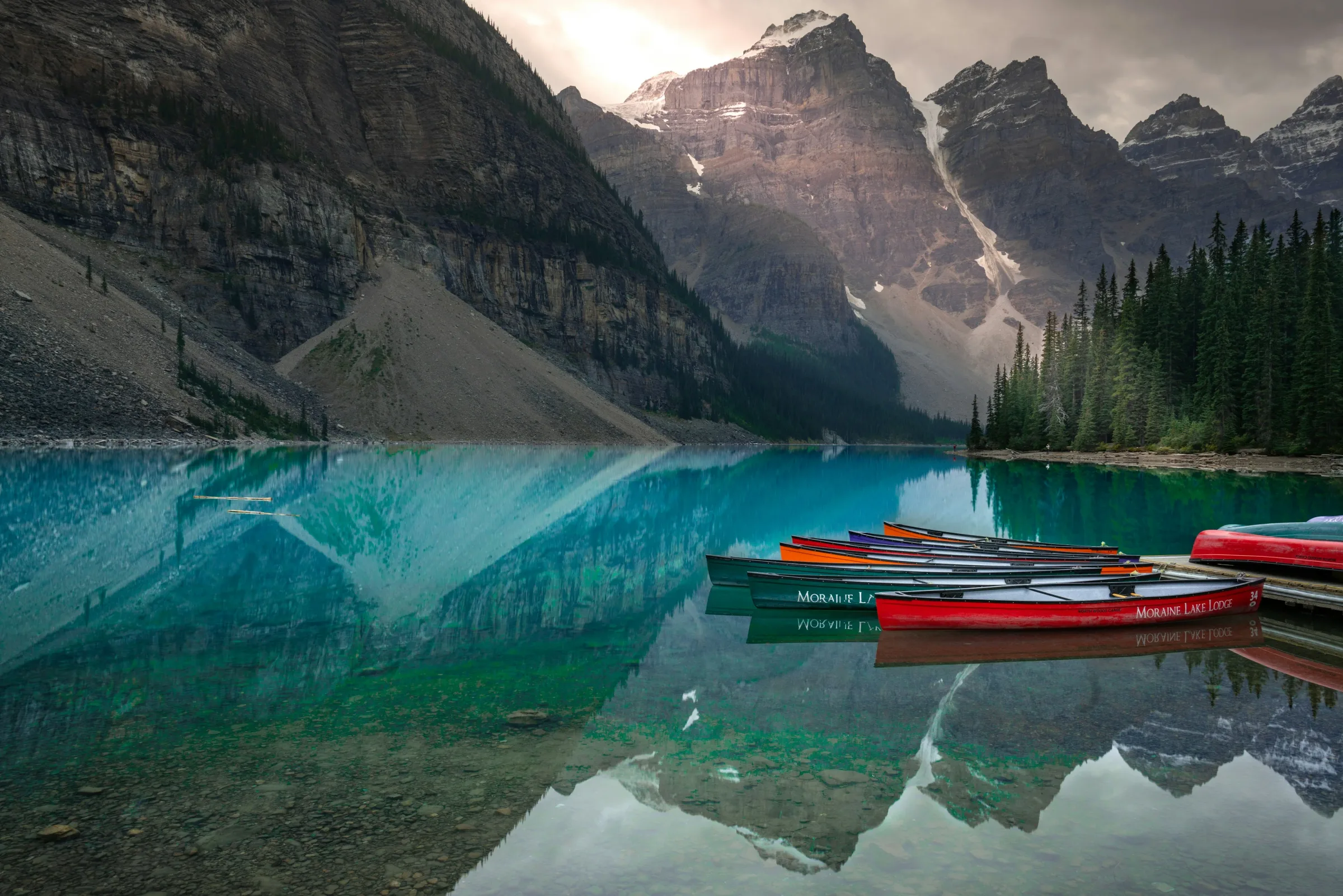
Canada is pure outdoor adventure: national parks, trekking, northern lights, and wilderness instead of city breaks. Summer (June–September) for hiking and lakes; winter (December–March) for skiing and the Aurora Borealis.
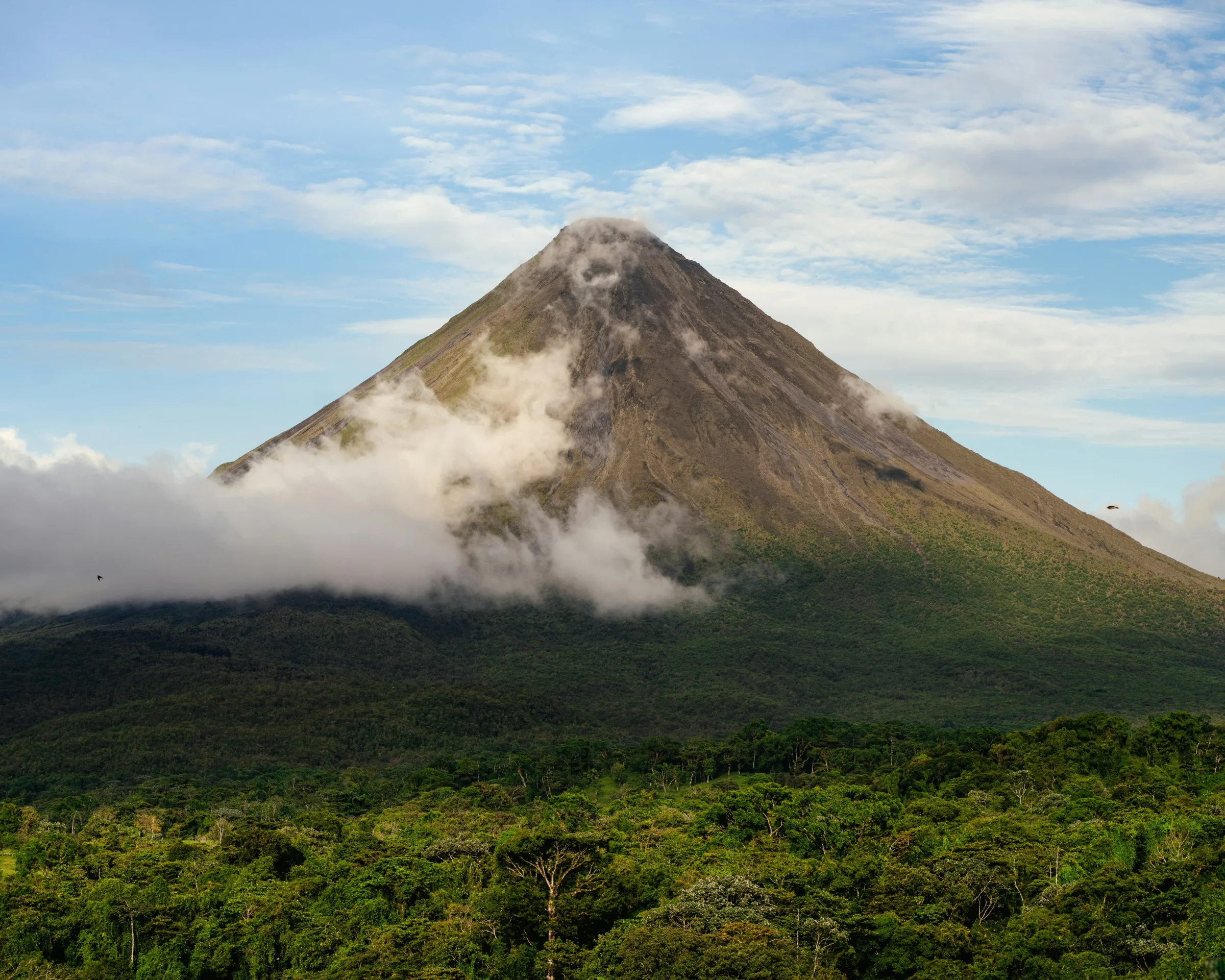
Costa Rica's reputation as an ecotourism pioneer is partly earned—but hotly contested. Know the real trade-offs before you book your trip.
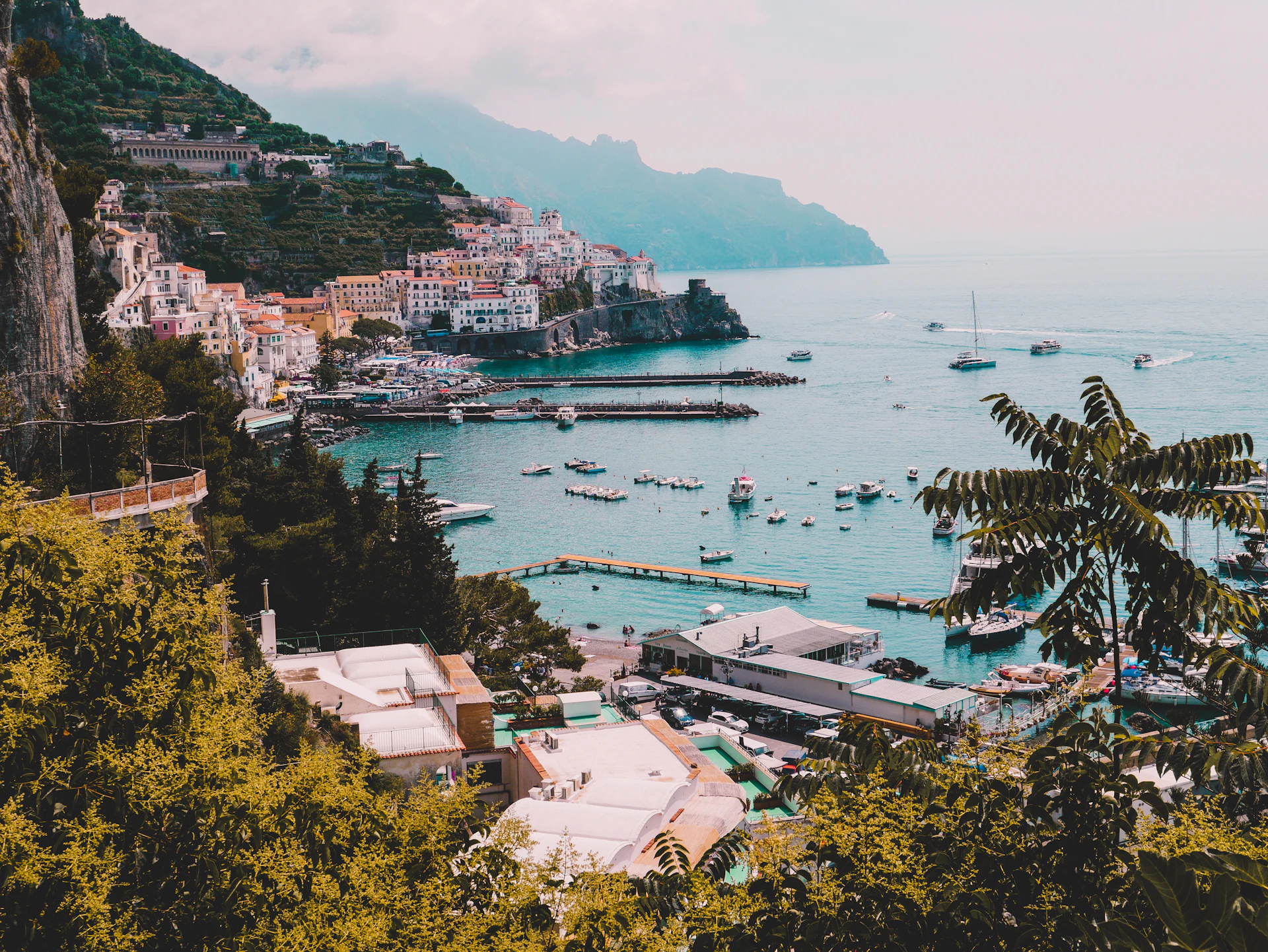
Italy weaves prehistoric limestone cliffs with Renaissance architecture, Roman ruins with Alpine peaks, street food with wine culture. A country overview for travelers seeking authenticity beyond mass tourism.