€Albania
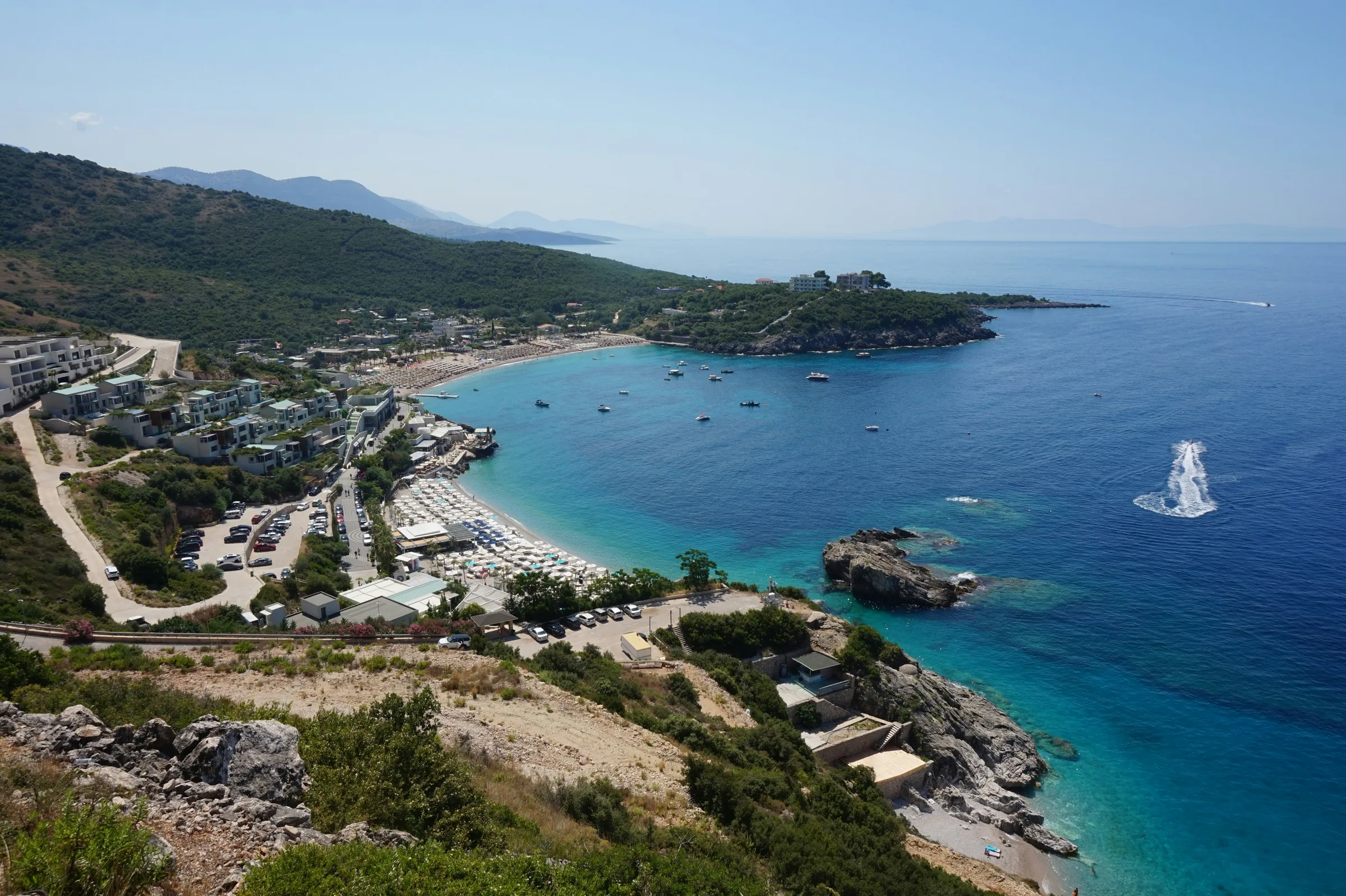
Albania: Adriatic shoreline and Balkan mountain terrain
Albania blends Balkan mountains, Adriatic shoreline, and urban culture into an underrated European destination. Here's what to know before you book.
Canada · North America
Canada is pure outdoor adventure: national parks, trekking, northern lights, and wilderness instead of city breaks. Summer (June–September) for hiking and lakes; winter (December–March) for skiing and the Aurora Borealis.
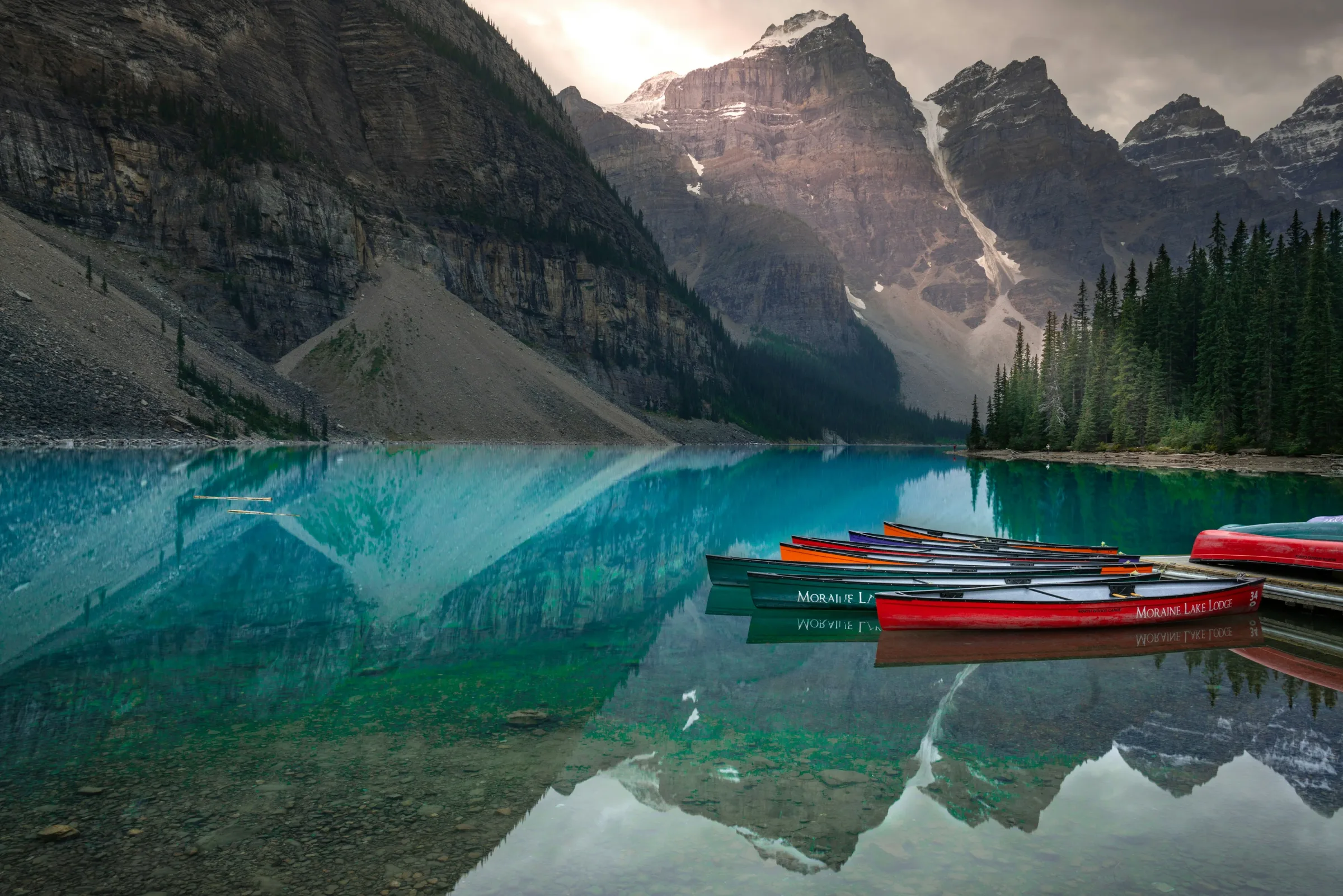
Banff National Park is Canada’s oldest national park (founded 1885) and UNESCO World Heritage site in the Canadian Rocky Mountains, 80 miles west of Calgary. The park spans 2,564 square miles with spectacular lakes, glaciers, and peaks above 10,000 feet. Lake Louise is the flagship — turquoise water from glacial silt, ringed by 10,000-foot walls. Hike to Lake Agnes Teahouse: 2.1 miles one way, 1,300 feet elevation, 1.5–2 hours. Moraine Lake lies 9 miles south, visually similar, less crowded. Banff Village has infrastructure (hotels, restaurants, shops), but everything carries tourist pricing (restaurant meals $20–35 USD, roughly equivalent).
Jasper National Park is the largest park in the Canadian Rockies — 4,200 square miles of rough terrain, glaciers, and wild lakes. The Icefields Parkway connects Banff to Jasper (143 miles, paved). Highlights en route: Athabasca Glacier (walkable but receding), Sunwapta Falls, Crowfoot Glacier. In Jasper itself: Maligne Lake (14 miles long), Patricia Lake, Mount Edith Cavell with meadow hike (2.3 miles one way, 1,300 feet). Jasper Village is smaller than Banff, less commercial. Lodges run simple. The Icefields Centre between parks is the supply depot.
Pacific Rim National Park on Canada’s west coast (British Columbia) contrasts temperate rainforest with Pacific Ocean. Tofino is the gateway town. Long Beach spans 20 miles of sand and rock. West Coast Trail: 47 miles, multi-day, technical (cable slides, wooden bridges, exposed sections, 4–5 days), open June–September only. Permits required, limited access. For beginners: Rainforest Trail (easy, 0.5 miles loop) or Willowbrae Trail (moderate, 2.5 miles).
Niagara Falls is Canada’s prime tourism draw — three cataracts (Horseshoe, American, Bridal Veil), 188-foot drop, 700,000 gallons per second. From Toronto: 80 miles, 2 hours by car or bus. Tourism infrastructure is massive (hotels, casinos, restaurants), overpriced but fine for brief visits. Best view from Canadian side (Horseshoe). Hornblower boat tours get close (rain poncho required) — approx. $55–65 USD per adult.
Yukon — Whitehorse and Beyond is the Arctic gateway. Whitehorse (36,000 people) is Yukon’s capital with Gold Rush history. Close to Northern Lights (Aurora Borealis) — the city sits at 60°N, under the Aurora Oval. Best viewing: September–March, peak December–January. The city has hotels and restaurants, but northern Canada is sparse — expect isolated roads and less comfort than the south. Kluane National Park is 150 miles west with Mount Logan (19,551 feet, Canada’s highest). The park is spectacular but accessible only via specialized tour. For trekking: King’s Throne Trail, Slims River Trail (easy to moderate).
Vancouver and British Columbia — Vancouver is Canada’s west coast metropolis (630,000 people). Not ideal for outdoor adventure, but good hub for day trips. Stanley Park spans 405 acres with trails, beach, seawalls. Whistler Blackcomb is Canada’s largest ski resort (75 miles north) — open June–October for hiking, December–April for skiing. Sea-to-Sky Highway (BC-99) connects Vancouver and Whistler — 75 miles, 2 hours drive, one of Canada’s finest roads.
Niagara Falls from Toronto (80 miles, 2 hours): Doable as a day trip. Take Greyhound bus (approx. $15 USD one way), book Hornblower tour (approx. $60 USD), snap photos, return same day. Not ideal — the falls are impressive, but the tourist circus is wearing. Better: stay two days.
Whistler Blackcomb from Vancouver (75 miles): Drive or take Greyhound (approx. $25–40 USD) via Sea-to-Sky Highway. At the top: gondola ride (approx. $40 USD), alpine hikes (5,900+ feet), or winter skiing. Whistler Village has restaurants and lodges — pricey but tourist-ready. One day is tight — two days better.
Victoria from Vancouver by Ferry (60 miles): BC Ferries crossing takes 90 minutes (approx. $15 USD). Victoria is BC’s provincial capital, with well-preserved Victorian architecture. Butchart Gardens spans 22 acres (admission approx. $30 USD). Parliament Building is impressive. Day trip possible but ferry time cuts into it.
Athabasca Glacier from Jasper (80 miles drive) — half-day excursion. Glacier is reachable via Icefields Parkway shuttle. The snout is walkable but shrinking (climate change). Hike to toe: 3 miles one way, 650 feet, 2–3 hours. Ice field views are spectacular. Cost: shuttle approx. $40 USD, entry free.
Dawson City is a historic Gold Rush town in Yukon (2000 people) on the Klondike River, 200 miles north of Whitehorse. 1890s architecture preserved (Diamond-Tooth Gertie’s Saloon, Jack London Cabin). The place is folksy and touristy at once — miners mix with travelers. Best time: summer (June–August). Winter: sparse and frigid. Access: car or flight from Whitehorse.
Tombstone Territorial Park sits 45 miles north of Dawson City (Dempster Highway). Less developed than Banff/Jasper — wild mountains, few crowds. Hikes to Midnight Sun Ridge, Goldensides Mountain (multi-hour, moderate). Aurora viewing September–March from here is less swarmed than Whitehorse. No hotels — camping only.
Moraine Lake Lodge Area — bypass Banff’s main traffic. The turquoise lake draws crowds, but the campground is tiny (30 sites). Book early. Larch Valley hike (fall colors: golden larches) climbs 5.5 miles one way, 1,650 feet, 4–5 hours. Summer: packed, but worth it.
Slims River Trail in Kluane National Park, Yukon — 10 miles one way, 650 feet, 5–6 hours, leads to glaciers and alpine lakes. Fewer tourists than Banff. Air clearer, weather wilder. Best June–September. For trekking veterans: trekking in Peru offers similar altitude and wilderness character but with tropical gradient.
Canada’s season splits: summer for hiking, winter for lights and skiing.
June through September — summer window. Temperatures 54–77°F (regional variance: west BC milder, prairies warmer, north colder). This is prime season for parks, trekking, lakes. All trails open, park lodges staffed, buses run. Long days (north of 60°N, it’s nearly 24 hours daylight in June). Infrastructure hums. Tourist density: extreme — Banff in July is packed. This window is non-negotiable for high-elevation trekking — snow fields below 6500 feet can linger through July.
April and May — spring transition. Temperatures 23–59°F (regional). Snow melts, waterfalls surge. Many low trails snow-free. Lodges reopen post-winter. Fewer tourists than June–August, prices drop. Weather unpredictable.
October and November — fall transition. Temperatures 39–50°F down to 23–36°F. Early snow in mountains (October). Foliage in eastern Canada (reds, golds). Parks empty, prices fall. Aurora possible from October but not guaranteed.
December through March — winter season and Aurora time. Temperatures 5–19°F in south, -22°F to -4°F in north. Polar night in Yukon (December–January: darkness). Aurora is active (solar peak happening now) — probability higher but not certain. Snowfall heavy — roads open but winter tires/chains mandatory. Latest travel trends 2026 show rising demand for winter destinations like Canada. Ski resorts operating. Only winter-versed should venture high-altitude — avalanche risk is real. Hotels in Whitehorse and Banff book solid (Aurora tourism), prices spike.
March — spring skiing. Days lengthen (more sun), but snow remains above 7,000 feet. Avalanche risk elevated — check Parks Canada bulletin before mountain trips.
| Jan | Feb | Mar | Apr | May | Jun | Jul | Aug | Sep | Oct | Nov | Dec |
|---|---|---|---|---|---|---|---|---|---|---|---|
| Low | Low | Low | Sweet Spot | Sweet Spot | Peak | Peak | Peak | Sweet Spot | Sweet Spot | Low | Low |
-10° -20° | -8° -18° | -2° -12° | 5° -5° | 15° 5° | 22° 12° | 25° 16° | 23° 14° | 18° 10° | 10° 4° | 2° -3° | -7° -15° |
Outdoor is identity. Canada’s self-image is wilderness — hiking, camping, skiing are not hobbies but cultural norms. You’ll see families with kids on trails, elders with trekking packs. Outdoor ethics are deeply respected — much like in Norway, where hiking is equally rooted in national identity. Not hiking seems anomalous.
First Nations and Indigenous Heritage. Canada was original territory of First Nations (Indigenous tribes), Métis, Inuit. Modern narrative honors this more than before. Museums in Victoria and Edmonton hold First Nations collections. Park guides discuss Indigenous history. Respect for this legacy is standard — no racist quips, no caricatures.
Bear Behavior and Park Safety. Bears (Black Bears, Grizzlies) are reality in Banff, Jasper, Parks Canada zones. They are dangerous. Rule: 100-meter distance (three football fields minimum). Bell Bear Spray (capsaicin) is standard gear — issued before trails or buy locally (approx. $25–45 USD). In camp: store food in bear canisters, never in tent. Deaths are rare but they happen — usually human stupidity (feeding bears, getting too close).
Tipping Norm. Canada follows US convention: 15–20% tip in restaurants is expected. Servers rely on tips to meet living wage. Hotels: housekeeping approx. $2 USD per night. Guides: 15–20%. Often not included in bills — add at end.
Permits and Reservations. Backcountry trekking requires park permits (usually free but limited). Popular campsites book months ahead — reserve online or by phone. West Coast Trail requires pre-booking. Preparation is serious business.
Multicultural Cities. Vancouver, Toronto, Montreal are diverse — Chinatowns, Little Italys, Indian quarters. English is lingua franca, but many languages heard. Society is tolerant and welcoming — no issue.
Underestimate wildlife. Bears, cougars, wolves are real. Getting closer than 100 meters or feeding bears risks attack. Cougar incidents are rare but lethal. Rule: distance, observe, leave. Don’t video it. Seeing a bear: move slowly to the side, no jerky movements, don’t run, keep Bear Spray ready. This is a real survival risk.
Ignore wildfire season. July–September brings frequent fires. Parks can close suddenly — entire routes inaccessible from smoke. Air quality plummets, visibility drops to 300 feet. Before travel, check Parks Canada alerts for closures. In camps: fire pans often prohibited.
Underestimate avalanche risk. March–April: avalanche danger in Rockies. Winter makes high terrain (above 4900 feet) hazardous. Before hikes, check Parks Canada Avalanche Bulletin. Buried victims without specialized gear have poor odds — don’t play. Spring skiing is an art — guide-only for inexperienced.
Travel alone without comms. Backcountry hikes shouldn’t be solo or without emergency radio. Canada’s wilderness is vast — if something happens (fall, injury), no one finds you. Personal Locator Beacon (PLB) or satellite messenger (e.g., Garmin InReach) cost approx. $300–600 USD one-time. Rangers inspect popular trails — missing logbook (your name, out time, return time) triggers expensive rescue missions charged to you.
Drink untreated water from lakes/streams. Giardia lamblia parasites inhabit Canadian waters (from beavers, deer). Symptoms: nausea, cramps, diarrhea — incubation 1–2 weeks. Antibiotic treatment runs weeks. Water filter (less than 0.2 micron) (e.g., Sawyer Squeeze, approx. $25 USD) is mandatory, or boil 1 minute (3 minutes above 6500 feet).
Misjudge extreme cold. In north (Yukon, NWT) temperatures plunge to -40°F. Marginal clothing means frostbite in 10 minutes. Hypothermia sets faster than expected. Sleeping bag below -4°F needs 800+ fill-power down (approx. $80 USD), insulated tent, sleeping pad. Ultralight is fantasy in extreme cold.
Getting There — Airports. Toronto Pearson (YYZ, 28 miles north) is largest hub, direct flights from European hubs. Vancouver (YVR) is west coast hub. Calgary (YYC) is Banff/Jasper gateway. Montreal (YUL) is east hub. Flight times: Frankfurt–Toronto approx. 9 hours (direct), Frankfurt–Vancouver approx. 11 hours.
Airport Transfers. Toronto Pearson: trains (Union Pearson Express, approx. $15 USD, 25 min to downtown), buses (Greyhound, approx. $12 USD), taxis (flat rate approx. $40 USD). Car rentals from counter (steep: $35–50 USD/day plus gas/insurance).
Rail. Via Rail operates long-distance trains (Toronto–Vancouver 4 days, Toronto–Montreal 5 hours). Trains are luxury overnight, but slow. Cost: seat approx. $150–300 USD, sleeper cabin $500–1,200 USD. Regional rail limited.
Buses. Greyhound Canada, Flixbus (smaller role now) serve long routes. Toronto–Vancouver approx. 40 hours, cost $80–150 USD. Slow but cheap. Comfort basic.
Car Rental. Essential for parks and adventure. Cost: $35–60 USD/day plus gas (approx. $1.10 USD/liter) plus insurance. Winter gear (chains or winter tires) mandatory September–May, violation penalty approx. $800 USD. Roads: excellent, but mountain passes (e.g., Icefields Parkway) close in winter. Gas stations 60+ miles apart on Icefields — fuel planning is critical.
Domestic Flights. WestJet, Air Canada cover regional hops. Toronto–Calgary approx. 3 hours, from $120 USD. Worth it for large distances. For contrast trips to warmer climates: Bali is reachable via Asian hubs like Tokyo.
In-Park Mobility. Hiking is standard. Shuttle buses serve popular trailheads (e.g., Moraine Lake shuttle from Banff, approx. $7 USD). Trails well-marked (blazes, signs). GPS is backup, paper maps are robust and need no signal.
German citizens need no visa for stays up to 6 months. Passport required — validity should extend at least 6 months past departure.
eTA (Electronic Travel Authorization) — MANDATORY for air travel. Online application via Canada.ca (Immigration, Refugees and Citizenship) in under 5 minutes. Cost: 7 CAD (approx. $5 USD). Valid: up to 5 years or passport expiry. eTA binds to passport — renew passport = get new eTA. For land/sea entry from US, eTA not required — air and ship only.
Dual Citizenship (German-Canadian). If you hold both passports, enter with Canadian passport (Canadian law). German passport makes entry complicated — avoid.
Customs — Import Rules. Standard quantities: alcohol (1 liter spirits or 24 beer cans) duty-free, tobacco (200 cigarettes), gifts under $60 CAD. Food: fresh produce restricted (fruit, veg often blocked). Medications: personal use only, prescription advised. Drug laws: zero tolerance — even legal cannabis at home cannot travel.
Work Permits. Stays over 6 months or employment: work visa needed — apply via Canada Express Entry or employer sponsorship. Not standard tourism.
Vaccinations. No mandatory vaccines. Canada’s Public Health recommends: tetanus/diphtheria booster, Hepatitis A (if rural/adventure trekking plans), seasonal flu. Rabies only for specialized work (wilderness guide). Not standard.
Tap Water — cities safe, wilderness risky. Toronto, Vancouver, Montreal: water is potable and regulated. In parks and lakes: Giardia lamblia (from beavers, deer, muskrats). Symptoms: nausea, cramps, diarrhea (1–2 week incubation). Water filter (Sawyer, Katadyn, approx. $25 USD) or boil (1 minute, 3 minutes above 6500 feet) is mandatory. Single-use tablets (chlorine dioxide) are backup.
Backcountry Sanitation. Feces 200 meters from water, 12 inches deep burial (LNT — Leave No Trace). Toilet paper buried or burned. Non-negotiable — contamination spreads fast.
Ticks. In forests (May–October) ticks carry Lyme disease (bacteria). No vaccine — prevent with DEET/Icaridin and body check post-hike. Tick removal: tweezers near skin, slow pull, don’t twist/squeeze. Disinfect. Tick sits days = see doctor.
Wildlife Hazards. Bears (Black, Grizzly) are the biggest risk. Bell Bear Spray (capsaicin, stronger than pepper spray) is standard (approx. $25–40 USD). Buy locally or rent with outfitter. Cougar attacks extremely rare but fatal — rule: distance, noise (bell while hiking), group vs. solo. Wolves avoid humans.
Avalanche Danger. March–April: avalanche hazard above 4900 feet. Parks Canada publishes daily forecasts. Check bulletin before spring hikes (Parks Canada Alerts). Snow fields can slide — ice axe and crampons are specialized gear.
Altitude Sickness. Canada’s tallest peaks (Mount Logan 19,551 ft, Mount Fairweather 15,299 ft) require acclimatization. Normal trekking below 8200 feet: not relevant. Headache and fatigue at 8,200+ feet are normal — descend if worsening.
Extreme Cold. Winter (Dec–March) and north (Yukon, NWT) see -40°F temps. Marginal gear means frostbite in 10–15 minutes. Core temps below 32°F cause confusion — self-rescue impossible. Gear: sleeping bag -4°F minimum (-22°F better), sleeping pad, insulated tent. Ultralight is lethal.
Rescue and Insurance. Remote parks: evacuation costs $50,000–100,000 USD. Travel insurance with evacuation coverage is absolutely necessary — standard reinsurance insufficient. Confirm heli-evac + medical transport coverage.
Emergency Numbers. Police/Rescue: 911 (like US). Parks Canada emergency: via ranger station or satellite messenger (if no cell signal).
Albania blends Balkan mountains, Adriatic shoreline, and urban culture into an underrated European destination. Here's what to know before you book.
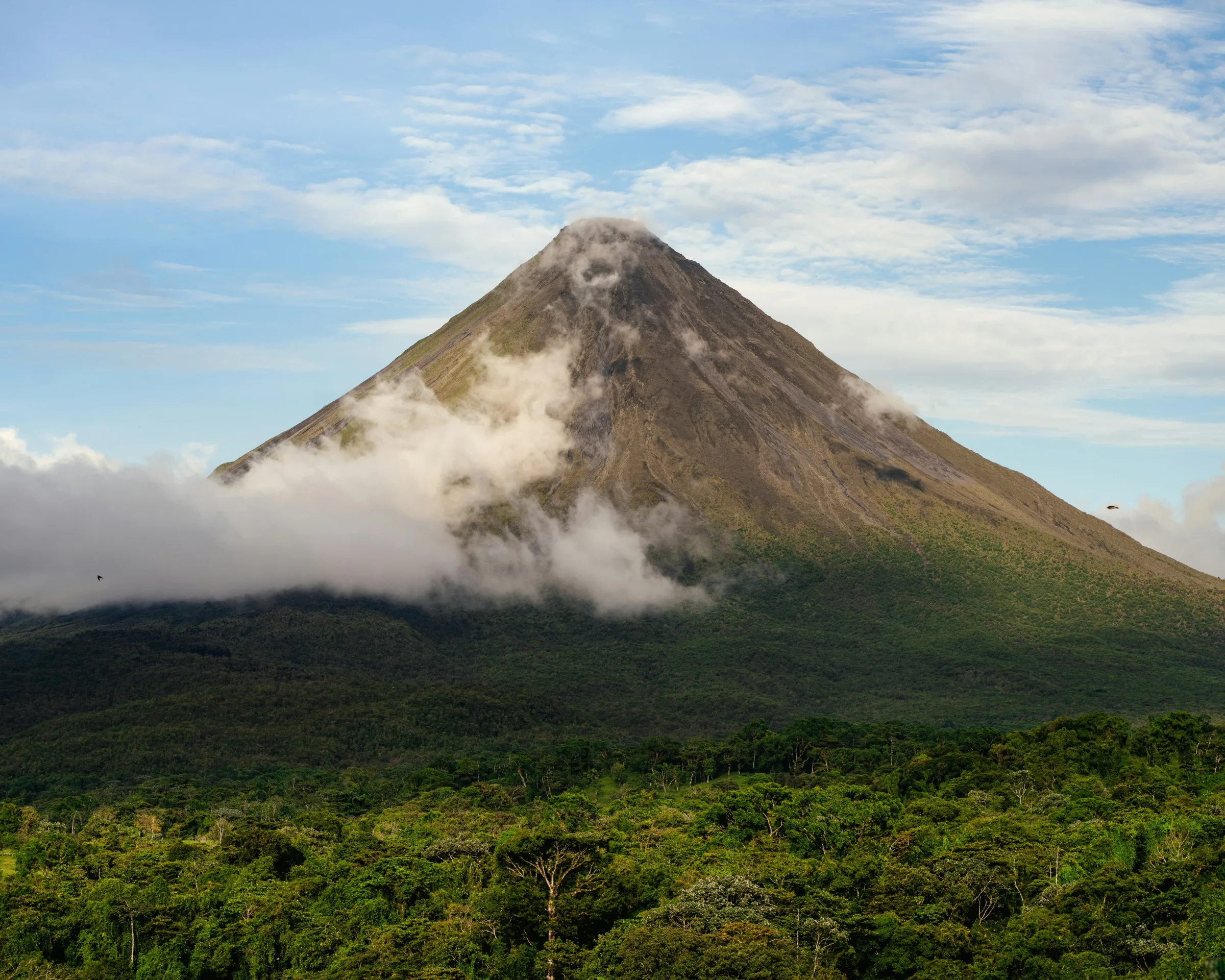
Costa Rica's reputation as an ecotourism pioneer is partly earned—but hotly contested. Know the real trade-offs before you book your trip.
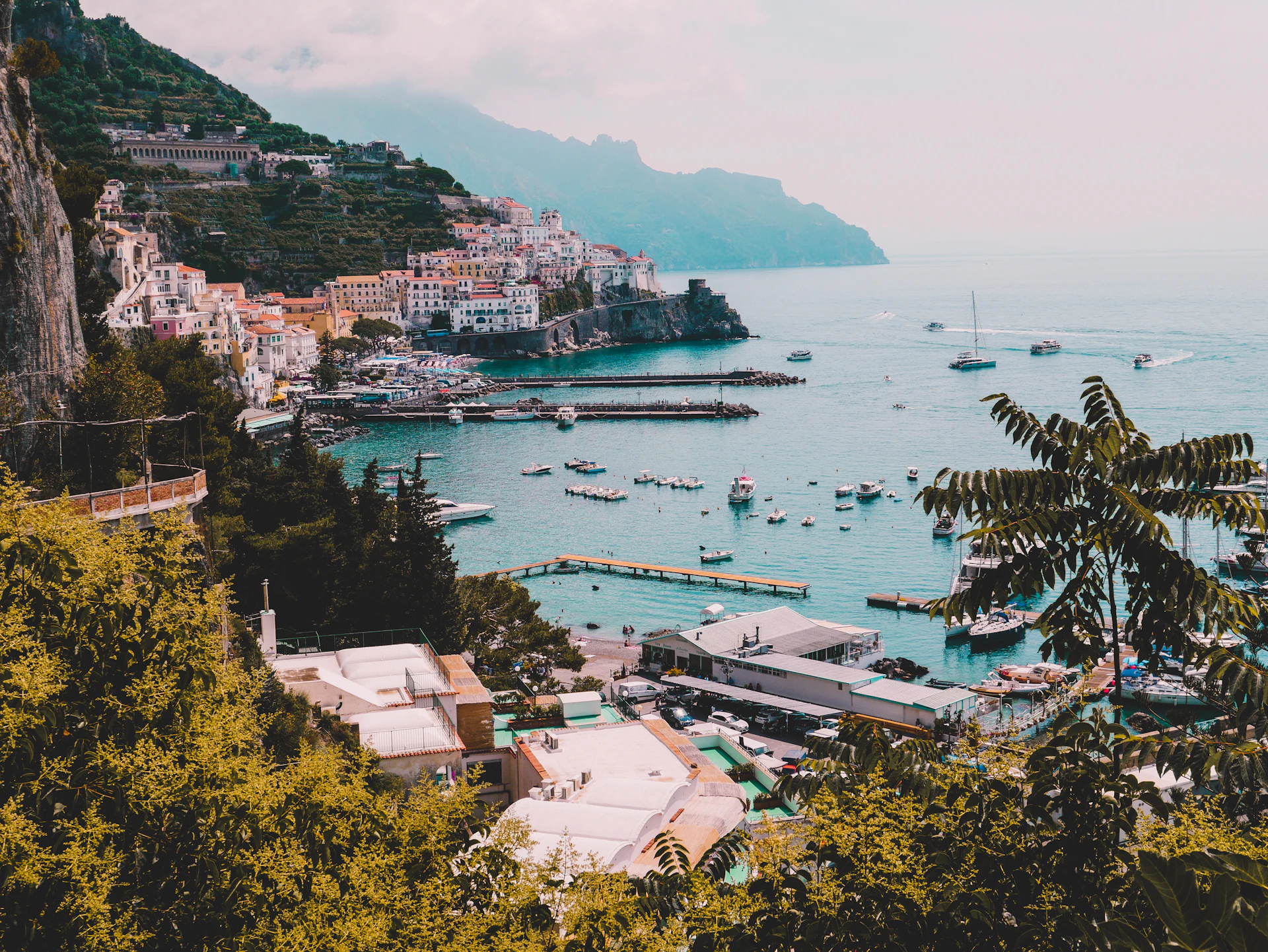
Italy weaves prehistoric limestone cliffs with Renaissance architecture, Roman ruins with Alpine peaks, street food with wine culture. A country overview for travelers seeking authenticity beyond mass tourism.
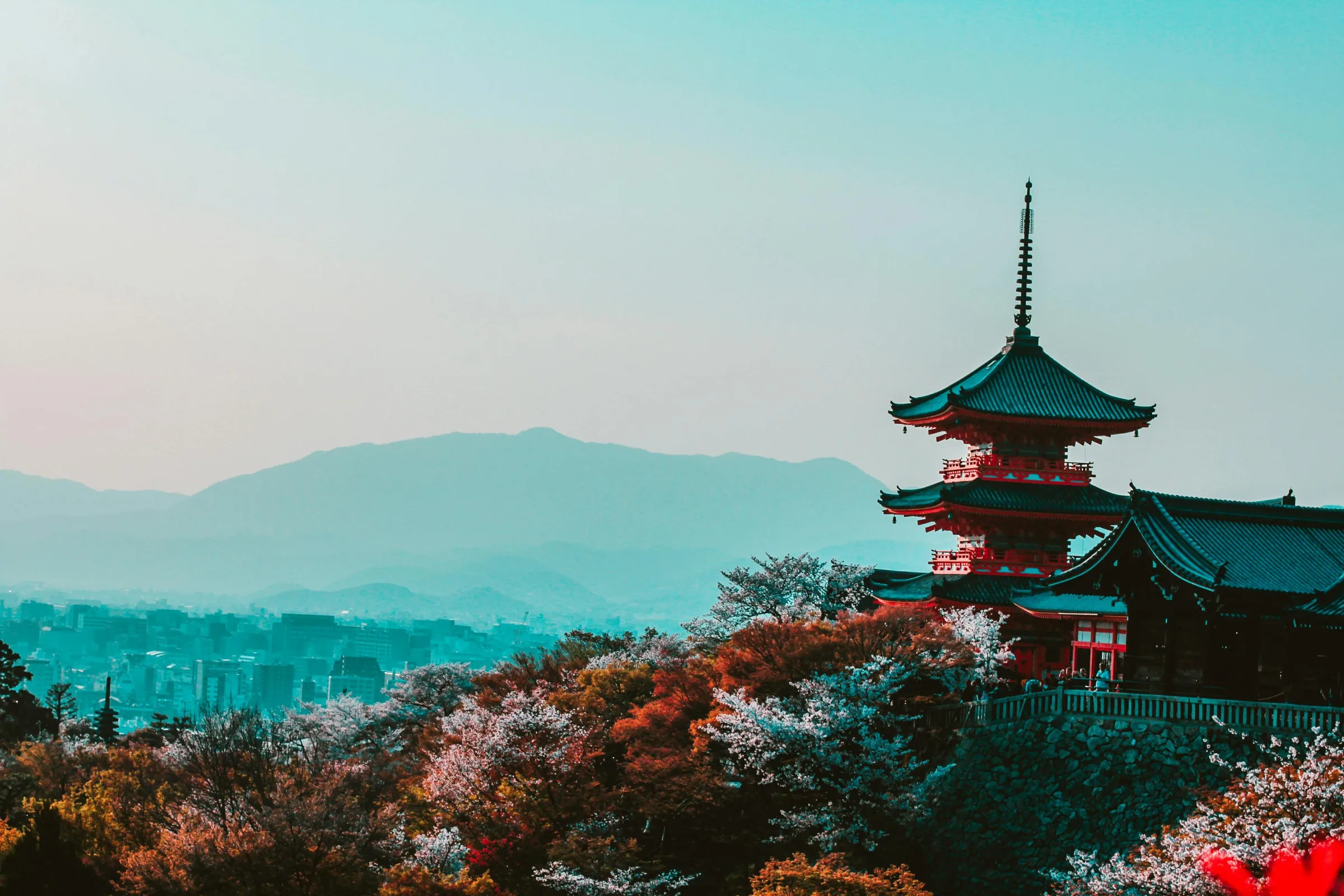
Japan weaves together ancient temple architecture with futuristic cities. A cultural destination where craft traditions, Zen aesthetics, and regional contrasts define the experience.