€Albania
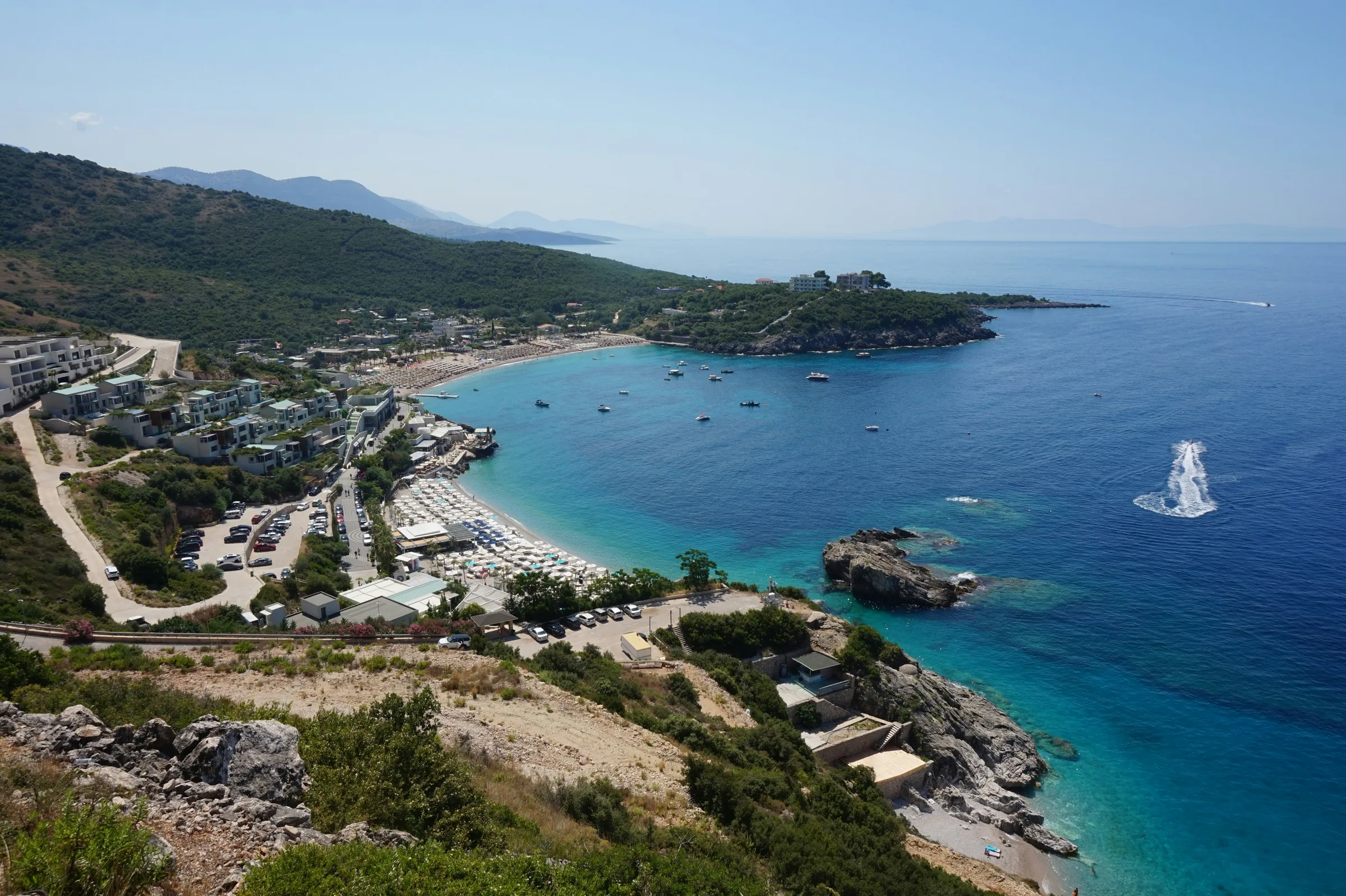
Albania: Adriatic shoreline and Balkan mountain terrain
Albania blends Balkan mountains, Adriatic shoreline, and urban culture into an underrated European destination. Here's what to know before you book.
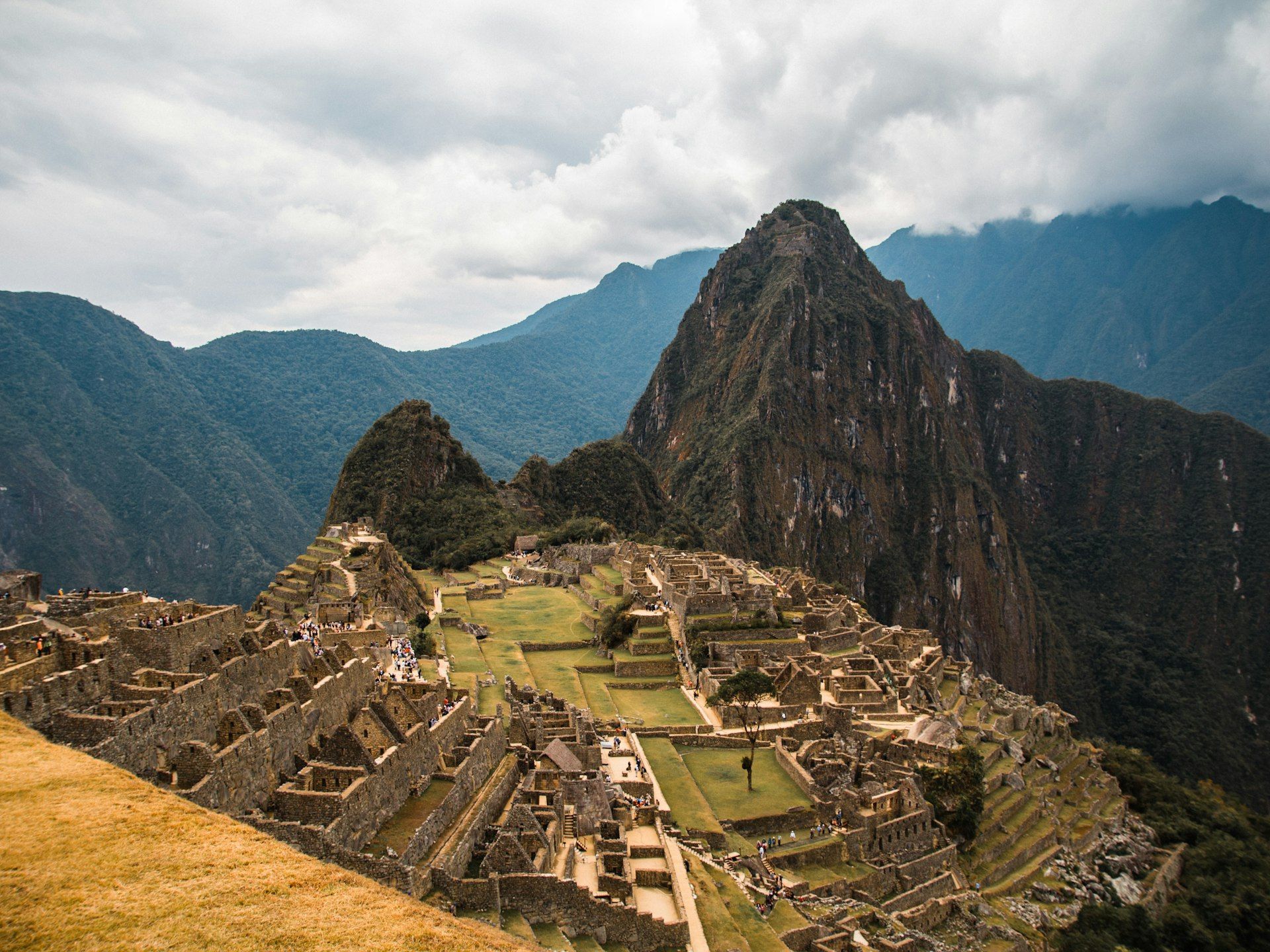
Peru · South America
Peru is the cradle of Incan heritage: Machu Picchu, the Sacred Valley, and Andean trekking above 4,600 meters. Everything to know before you go.
Machu Picchu is the most famous Incan sanctuary, perched at 2,430 meters on a mountain ridge between Cusco and the Amazon rainforest. The site combines landscape architecture, stone engineering, and ceremonial plazas built around 1450. Entry fee approximately $45 USD (approx. 152 PEN) for foreign adults, with mandatory timed-entry slots and fixed circuit routes introduced in 2024 — book online well ahead, as daily numbers are capped. Access options: multi-day Inca Trail (with mandatory guide, permits limited), or the train from Cusco or Ollantaytambo (PeruRail or Inca Rail) to Aguas Calientes, roughly 1.5 hours from Ollantaytambo. Best visiting season: May through June and September, when morning fog clears and ruins are visible until midday. July and August are tourist-saturated globally. Altitude here is manageable for most visitors — Machu Picchu sits below the altitude threshold for acute mountain sickness, unlike Cusco.
Sacred Valley spans from Cusco (3,400 m) through Ollantaytambo and Urubamba to Pisac, averaging 2,800 meters elevation. Highlights: Pisac ruins (free hillside access, $24 USD for archaeological complex, approx. 80 PEN), daily market (Tuesday, Thursday, Sunday), terraced agriculture with 500-year-old irrigation systems. Ollantaytambo: Incan fortress with six terraced platforms, entry $35 USD (approx. 120 PEN), more accessible than Machu Picchu and far less crowded. Urubamba: village along river bends, best base for multi-day trekking. Topographically, the Sacred Valley is more forgiving than Cusco — 2,800 m acclimatization is feasible before ascending to higher destinations.
Cusco was the capital of the Incan Empire and sits at 3,400 meters in the highlands. It’s the gateway for most Andean treks (Inca Trail, Ausangate, Salcantay). Plaza de Armas, the Cathedral, and Coricancha (golden temple) are architecturally impressive. BUT: Cusco is an altitude trap. A large percentage of visitors experience headaches, nausea, and dizziness within 24–48 hours (altitude sickness / Soroche). Fitness level is irrelevant—even marathon runners are affected. Three days of rest, coca tea, plenty of water, and no strenuous activity are standard advice. Diamox (Acetazolamide) under medical guidance can help but has side effects (tingling in extremities, altered taste).
Lima is Peru’s capital on the Pacific coast, only 500 meters elevation. Cultural highlights: Larco Museum (Peruvian art from pre-Columbian times onward), National Anthropological Museum (mummy collections), colonial plazas (Plaza Mayor), coastal biking paths through Miraflores and Barranco (upscale neighborhoods with galleries and cafés). Lima is South America’s culinary capital — ceviche (fish stew with lime), Cau Cau (potato ragout), Causa (potato terrine). Safety in Miraflores and Barranco is good; avoid downtown (Plaza Mayor, financial district) after 6 PM.
Lake Titicaca is the world’s highest navigable lake at 3,812 meters, straddling Peru and Bolivia. Peruvian side: Puno (roughly 10-hour scenic tourist train or 6–7-hour bus ride from Cusco), Uros Islands (artificial, floating reed islands with traditional culture, daily boat tours available), Taquile (island with traditional textile culture and weaving). Altitude is extreme—even experienced travelers should take time. Uros tours through local boat operators or organized tours cost $60–120 USD per person (approx. 200–410 PEN).
Ausangate Trek is a multi-day circuit trek (5–6 days) south of Cusco with elevations reaching 5,100 meters. Famous for colorful mountains (Rainbow Mountain, mineral-layered peaks), pristine alpine lakes, and minimal tourist traffic (only a few hundred annually). This trek is NOT for beginners—serious altitude acclimatization required, average trekker age decidedly older, mountaineering fitness necessary. Rainy season (December–March) makes the route inaccessible; May–October optimal. Local operators in Cusco charge $1,400–2,100 USD for five-day all-inclusive packages (guide, horses, meals).
Inca Trail is the iconic multi-day trek to Machu Picchu. Three variants: Classic (4 days / 3 nights, approximately 43 km, 20–25% elevation gain), Short (2 days from kilometer-104 rest point), or Extended (5 days with additional archaeological sites). All require booked permits (quota of 500 people daily, so book 4–6 weeks ahead). Costs with operators: $600–1,800 USD depending on private vs. group guide and accommodation standards. Starting point: Cusco or Sacred Valley (Ollantaytambo). This route is the pinnacle for trekking enthusiasts, but also emotionally demanding—it follows historic Incan roads with archaeological sites, cloud-forest transitions, and requires psychological resilience (wet tents, cold nights, heavy packs up to 3,600 m). Dry season (May–September) is NO less crowded—all permits sell out. Note: the Inca Trail closes entirely every February for maintenance and erosion recovery; the site of Machu Picchu itself stays open, reachable by train. Better alternatives: Short Inca Trail or Salkantay Trek.
Salkantay Trek is a wilder, technically more demanding alternative to the classic Inca Trail. Five days, 50+ km, elevations to 4,630 meters, fewer trekking crowds, but fewer archaeological highlights. Start: Mollepata (south of Cusco). Cost comparison: $950–1,800 USD privately, often cheaper than Inca Trail due to fewer permit overheads. Physical demand: significantly higher (technical climbing on some pitches, possible snowfields June–August).
Sacred Valley Day Tour from Cusco: bus ride through Ollantaytambo (stops at Pisac ruins and market) back to Cusco, one to two days possible. Costs $60–180 USD plus entry fees. This tour suits those struggling with altitude—they spend time at 2,800 m instead of 3,400 m, enabling gentle acclimatization.
Colca Canyon near Arequipa (southern highland Peru) is South America’s deepest canyon (3,400 meters deep) with dramatic Andean condor sightings. Two to three-day tours from Arequipa (six-hour drive from Puno/Cusco). Elevations: 3,400–4,000 m. Best time for condor sightings: mornings 6–8 AM. Costs $180–360 USD all-in with guide. This trek is spectacular but less known than Machu Picchu.
Huancayo is a colonial city in the central highlands (3,270 m), reached from Lima by a roughly 12-hour train ride or a 7-hour bus ride — it sits northwest of Cusco, not on the usual Cusco–Puno tourist circuit. The Central Railway (Ferrocarril Central Andino) is legendary for its engineering—one of the world’s highest railway lines with 46 tunnels above 4,000 m. The city itself has traditional craft markets (textiles, ceramics), alternates with local festivals (Christmas market December). Tourists are rare. Lodging is basic ($35–60 USD/night, approx. 120–200 PEN), food authentic. The train journey itself is more experience than mere transport.
Chinchero Textile Workshops sit at 3,760 meters between Sacred Valley and Cusco, roughly 45 minutes’ drive from Cusco. This small village preserves traditional alpaca weaving, dyeing with natural materials (cochineal insects for red, indigo-blue), and circular agriculture. Visits possible through local guide organizations—travelers can observe looms, converse with artisans, and buy directly (vastly fairer than souvenir-shop markups). Altitude is manageable, and the atmosphere is non-commercialized.
Aguas Calientes is the village at the base of Machu Picchu (officially renamed Machupicchu Pueblo), where most visitors overnight before the morning climb. The thermal springs themselves (Baños Termales de Aguas Calientes) charge a small entry fee—an open-air bath at 2,040 m with local bathing culture and few tourists (most sleep or are on the ruin). Night hike to the Inca Trail Gate possible.
Manu Biosphere Reserve is the largest tropical rainforest protected zone in the Andes (south Peru–Bolivia border, approximately 15,000 km²), home to over 1,200 bird species. Travel only with authorized operators (multi-day lodge or jungle adventure $2,400+ USD), extremely limited visitor permits. Difficult to access, but incomparable biodiversity for naturalists.
Peru’s seasonal dynamics are driven by two factors: geographic altitude and equatorial rainfall patterns. The dry season in the highlands runs May through September; the rainy season December through March.
For Andean trekking, Machu Picchu, and Cusco trekking: May through September is standard. July and August are globally popular (European summer holidays), prices peak, and routes like Inca Trail sell out days in advance. These seasonal surges reflect broader travel trends documented in Travel Trends 2026, which examines overtourism globally. May–June and September offer identical weather (clear days, crisp nights, daytime temps 15–22°C, nighttime 5–10°C) at 30–50% lower prices and emptier trails. October can still work, but rain increases. November is transitional weather.
Rainy season December through March is practically off-limits for Andean trekking—daily afternoon showers (2–6 PM), Machu Picchu often cloud-wrapped (photogenic, but visibility compromised), rockfall risk. The Inca Trail closes completely each February for maintenance (other rainy months stay open but wet). Lima remains dry (it’s in the Atacama Desert). Rainforest adventures (Manu, Puerto Maldonado) are doable but wet.
Lima and the coast are dry year-round. June through August are cool and foggy (17–18°C, Humboldt Cold Current effect). December through February are warm (25–27°C). Water temperature stays at 15–18°C year-round (Humboldt Current)—neoprene wetsuit needed for surfing/swimming.
For altitude-sensitive visitors: best strategy is Lima arrival (sea level), then gradual ascent. Sacred Valley (2,800 m) before Cusco (3,400 m) before Andean treks (4,000–5,000 m). Build in at least 2–3 days between elevation jumps.
| Jan | Feb | Mar | Apr | May | Jun | Jul | Aug | Sep | Oct | Nov | Dec |
|---|---|---|---|---|---|---|---|---|---|---|---|
| Low | Low | Low | Sweet Spot | Sweet Spot | Sweet Spot | Peak | Peak | Sweet Spot | Sweet Spot | Low | Low |
22° 15° | 22° 15° | 21° 14° | 20° 13° | 19° 10° | 17° 8° | 17° 8° | 18° 9° | 19° 10° | 21° 12° | 22° 14° | 23° 15° |
The Quechua people are Peru’s primary cultural substrate above 2,500 meters. Quechua is the second official language (legally since 1975) and spoken by approximately 10 million people across the Andes (Peru, Bolivia, southern Colombia, Argentina). In the Sacred Valley and Cusco, everyday Quechua words pepper conversation: Pachamama (earth goddess, Andean cosmovision concept), Apacheta (stone-stacking ritual where travelers leave stones in gratitude), Ayni (reciprocal help system among communities). Migrants and tourist hubs speak primarily Spanish, but village dwellers converse in Quechua among themselves.
Coca-leaf culture is non-commercialized substance use, but everyday practice in the highlands for at least 4,000 years. Coca is chewed (with damp lime paste / Llipta to activate alkaloids), brewed as tea (Mate de Coca), or infused in liqueurs. The effect is mildly stimulating (comparable to weak coffee) and traditionally used against altitude sickness and physical exertion. Important: coca leaves are entirely legal and culturally normal in Peru. However, possession or export is internationally illegal (US, EU). Chewing leaves should stay in Peru, not in carry-on luggage.
Andean rituals and festivals are important cultural anchors. Inti Raymi (Sun Festival, June, at southern hemisphere winter solstice) is a reconstructed Incan ceremony with hundreds of dancers in traditional dress, performed at Cusco’s fortress complex Sacsayhuamán. Very touristy, but culturally rooted. Qoyllur Rit’i (Star Snow pilgrimage, May/June) is a pilgrimage to a 5,000-meter snowcap south of Cusco—a spiritual and physical ordeal with thousands of Quechua faithful. Outsiders are welcome, but it’s genuine devotion, not a tourist show.
Traditional textiles are living art. Alpaca wool is hand-spun and dyed with natural colorants: cochineal (deep red), indigo (blue), walnut shells (brown). Patterns and colors reveal origin and social status. In the Sacred Valley (especially Chinchero, Ollantaytambo, Pisac), textile workshops are accessible—artisans share techniques.
Spiritual cosmovision: Andean religion is not monolithic, but syncretic fusion of pre-Columbian practices, Incan legacy, and Catholic Christianity. Apus (mountain gods) are venerated alongside Pachamama (earth mother), while churches remain prominent. This religious plurality is often overlooked by visitors, but central to Quechua life understanding.
Export coca leaves. Even small quantities are internationally illegal. Airports confiscate consistently. Customs questions are routine at exit.
Wander Lima alone after sunset. Downtown (Plaza Mayor, Rimac district) is non-touristy and risky after 6 PM (robbery, assault). Miraflores and Barranco are better lit and safer. Nights: always Uber or taxi with driver name and vehicle number verified.
Buy or accept drugs. Peru enforces extreme penalties: up to 15 years for cocaine/heroin, death sentence in large-quantity cases. No gray area. “Just trying once” is no defense.
Portray Quechua people as “poor” or “backward,” or photograph without permission. Quechua culture is a rich, millennia-old high civilization with its own epistemology. Commercial photography is disrespectful and sometimes illegal.
Undertake multi-day Andean treks without a guide or official permits. Inca Trail requires only officially booked, licensed guides (mandatory, not optional). Other treks (Salkantay, Ausangate) need no permits, but are topographically dangerous without local guidance. People have died on these routes (falls, altitude edema). Risk isn’t romantic; it’s lethal.
Use yellow pirate taxis. Unlicensed cabs are cheap, but assault rates are higher. Official taxis have license numbers, or use Uber, Cabify, or InDrive.
Ignore passport control or attempt exit without a stamp. Peru is lax on exit control, but missing entry stamps are problematic. Tourists should DEMAND (or beg the officer afterward) that your passport receives a visible stamp. Electronic registration alone is insufficient.
International arrival: Jorge Chávez International Airport (LIM) lies 20 kilometers southwest of Lima. Direct flights from Europe are rare (seasonal Lufthansa Munich–Lima only); typically with stops in Madrid (Iberia), Amsterdam (KLM), or Panama City (Copa). Total flight time: 13–18 hours, connection times 2–4 hours. Flights to Cusco (CUZ) require Lima transfer, or extremely rarely, Cartagena (Colombia) connection.
Lima Airport to hotels: Terminal 1 (international) has formal taxi counters and Uber waiting area. Airport Express Lima (green bus, 25 min to Miraflores, approximately $12 USD) is reliable; Uber, Cabify, or InDrive to Miraflores roughly $35–60 USD. Nights: always taxi or Uber, never hitchhike.
Domestic flights: Lima to Cusco costs approximately $95–240 USD with LATAM, Sky Airline, or JetSMART, one hour flight time. Bus alternative (22–24 hours on mountain roads) is time-prohibitive. Flying is faster and safer for backpackers.
Bus network: Licensed operators (Cruz del Sur, Oltursa, Civa) serve intercity routes. Safety is good with established carriers; avoid overnight buses (higher robbery incidents per Auswärtiges Amt). Cusco-bound buses (24 hours from Lima) traverse 4,000+ meter mountain passes—physically taxing.
Train travel: There is no train between Lima and Cusco. PeruRail and Inca Rail operate the famous line to Machu Picchu, running from Cusco (Poroy, seasonal) or, more commonly, Ollantaytambo in the Sacred Valley down to Aguas Calientes. Standard round-trip fares run $70–170 USD (Expedition/Vistadome classes); the luxury Hiram Bingham service starts around $500 USD one way. PeruRail also runs the scenic Cusco–Puno day train toward Lake Titicaca. Separately, the Central Railway (Ferrocarril Central Andino) links Lima and Huancayo — historic, slow (about 12–14 hours), crossing 46 tunnels above 4,000 m, and cheap ($12–36 USD).
Locally, Cusco/Sacred Valley: Microbuses (10–20 seat minibuses) cost $0.30–0.60 USD and cover all local routes (Ollantaytambo, Urubamba, Pisac). Taxis: always agree on fare BEFORE boarding (approximately $6–12 USD for city rides). Uber, Cabify, and InDrive work reliably in Cusco (there is no Grab in Peru).
Trekking transport: Tour operators arrange access, guide, lodging, meals as package. Private treks are pricier than group offerings ($1,800 private Inca Trail vs. $720–960 USD group tours). Budget operators (under $600 USD for Inca Trail) exist, but standards (guide quality, meals, tent comfort) are fragile.
Visa exemption: German, Austrian, and Swiss citizens need no visa for tourism stays up to 90 days. A “Temporary Visitor Permit” (TIP) is automatically granted.
Passport requirements: Passport must remain valid for at least 6 months beyond your departure date. Verification happens at entry; sometimes it doesn’t, so self-check.
Entry formalities: Electronic registration occurs automatically at the airport (fingerprints, photo). A passport stamp is not automatically guaranteed—tourists should ask whether the officer will place a visible stamp in your document. Missing entry stamps can cause exit problems. Registration systems are part digital, part analog—redundancy helps.
Return ticket: Theoretically required, or onward ticket. In practice, seldom verified, but holding a booking (even flexible) is prudent.
Customs regulations:
Medications: Prescription drugs should be in original packaging with doctor’s letter. Diamox (Acetazolamide, for altitude sickness) is over-the-counter in Peruvian pharmacies, but consult a travel medicine doctor before departure.
Registration and emergencies: German nationals can register with the Foreign Office’s crisis alert system (ELEFAND). Recommended for stays longer than six weeks or in travel-warning zones.
Vaccinations:
Altitude sickness (Soroche): The primary health risk in Peru. Cusco (3,400 m), Puno (3,850 m), Ausangate trekking (up to 5,100 m) trigger symptoms: headache, nausea, dizziness, insomnia. Onset is typically 4–12 hours after arrival, peak on days 2–3. No correlation with fitness or age—even marathoners and 25-year-olds are affected. Prevention is slow ascent and patience: 2–3 days at moderate elevation (Sacred Valley 2,800 m) before Cusco. Drink coca tea (leaves available everywhere), stay hydrated (3–4 liters water daily), avoid alcohol and caffeine, minimize strenuous activity.
Water: Tap water in Lima and larger cities is chlorinated and technically safe, but tourists typically avoid it (psychological barrier too high). Bottled water is everywhere for $1–2 USD per liter (approx. 3–7 PEN). Ice in tourist restaurants is typically from purified water; in budget establishments, caution advised.
Insects and tropical diseases:
Medical care: Lima and Cusco have international clinics (Clínica Anglo-Americana in Lima, Clínica Paredes in Cusco) with English-speaking staff, well-equipped. Mountain rescue and evacuation are expensive—helicopter evacuation from the Inca Trail can cost $12,000–24,000 USD. Travel insurance with rescue coverage and medical evacuation is mandatory for multi-day treks.
Safety in practice: Off tourist routes (Cusco Plaza, Sacred Valley, Machu Picchu), security is the main constraint. Lima downtown, certain Arequipa neighborhoods, and parts of Puno have documented crime. Travel advisories are current (state of emergency in Lima since February 2026, VRAEM drug zones, Ecuador border). These security dynamics reflect broader destination challenges examined in Travel Trends 2025. Standard tourist measures: don’t walk alone at night, no visible valuables, copies of important documents, register with Embassy.de/Lima for emergencies.
Albania blends Balkan mountains, Adriatic shoreline, and urban culture into an underrated European destination. Here's what to know before you book.
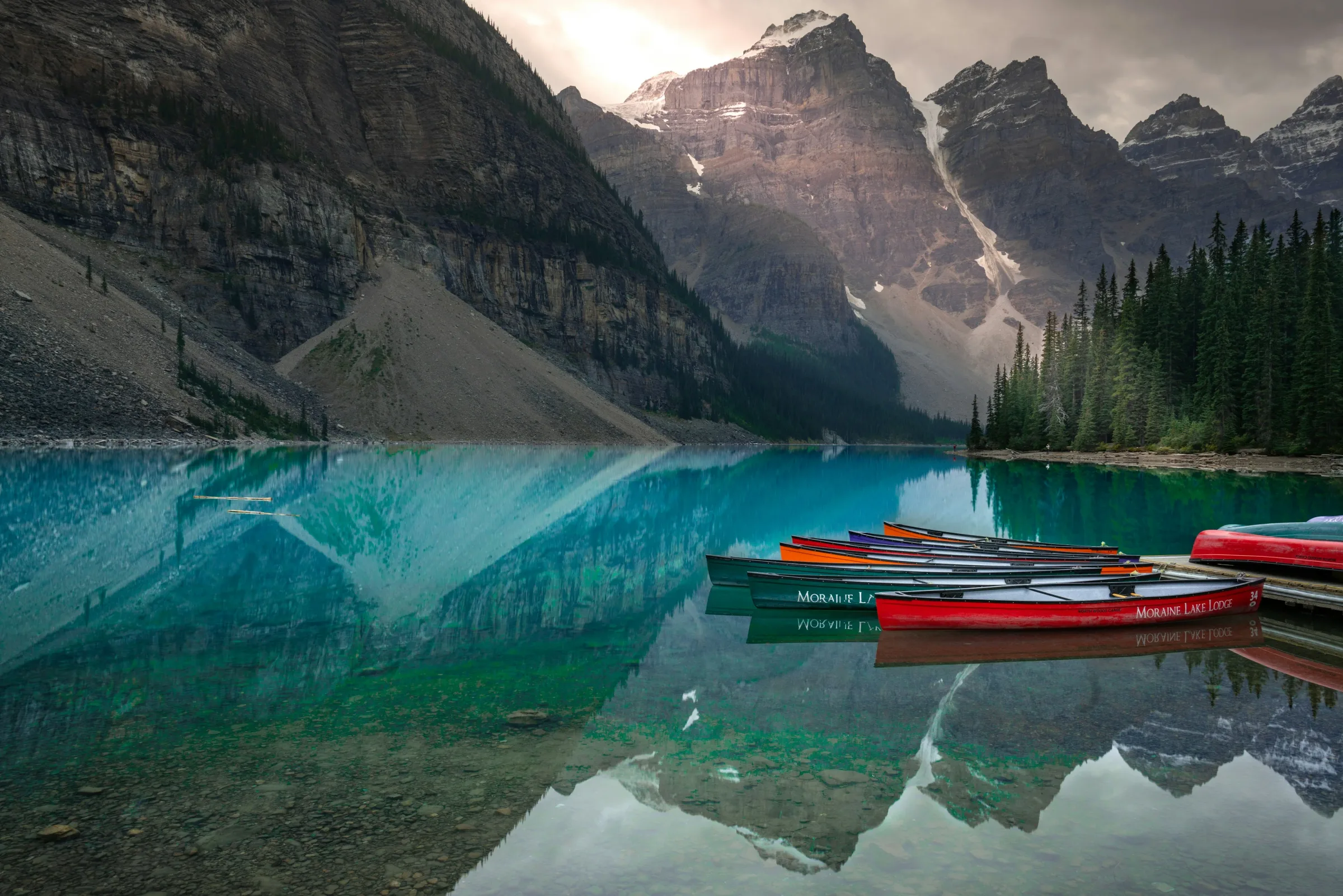
Canada is pure outdoor adventure: national parks, trekking, northern lights, and wilderness instead of city breaks. Summer (June–September) for hiking and lakes; winter (December–March) for skiing and the Aurora Borealis.
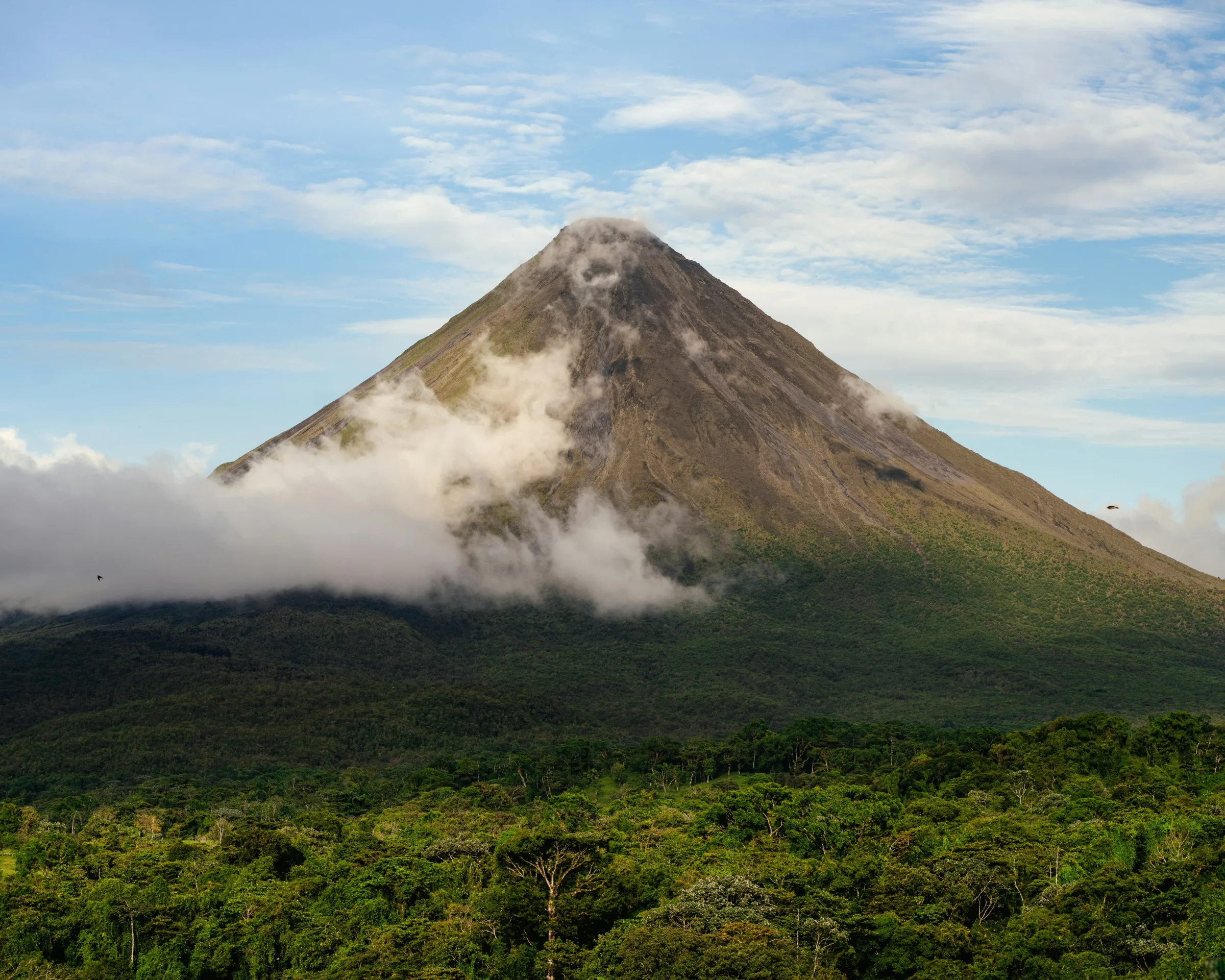
Costa Rica's reputation as an ecotourism pioneer is partly earned—but hotly contested. Know the real trade-offs before you book your trip.
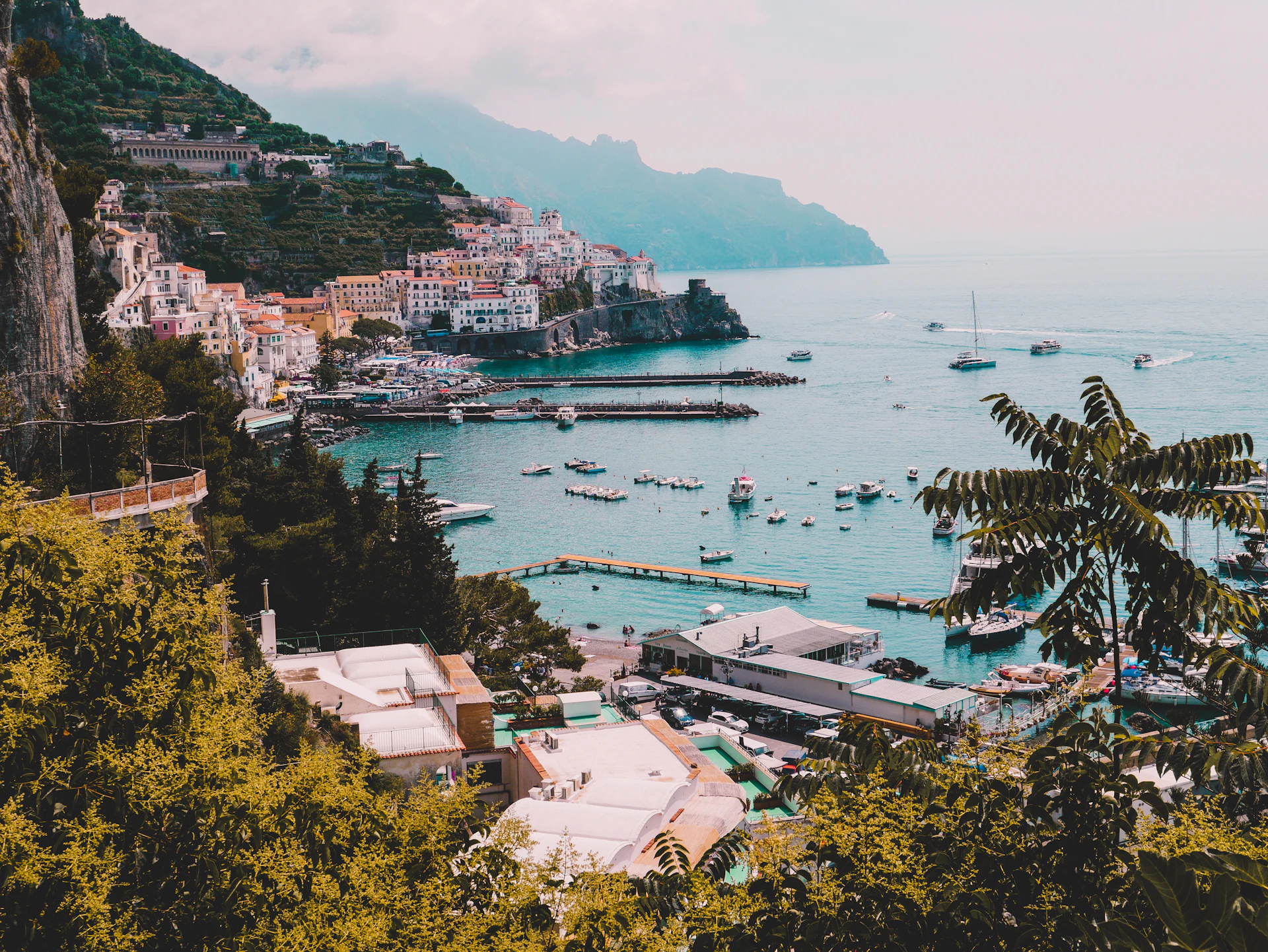
Italy weaves prehistoric limestone cliffs with Renaissance architecture, Roman ruins with Alpine peaks, street food with wine culture. A country overview for travelers seeking authenticity beyond mass tourism.