€Albania
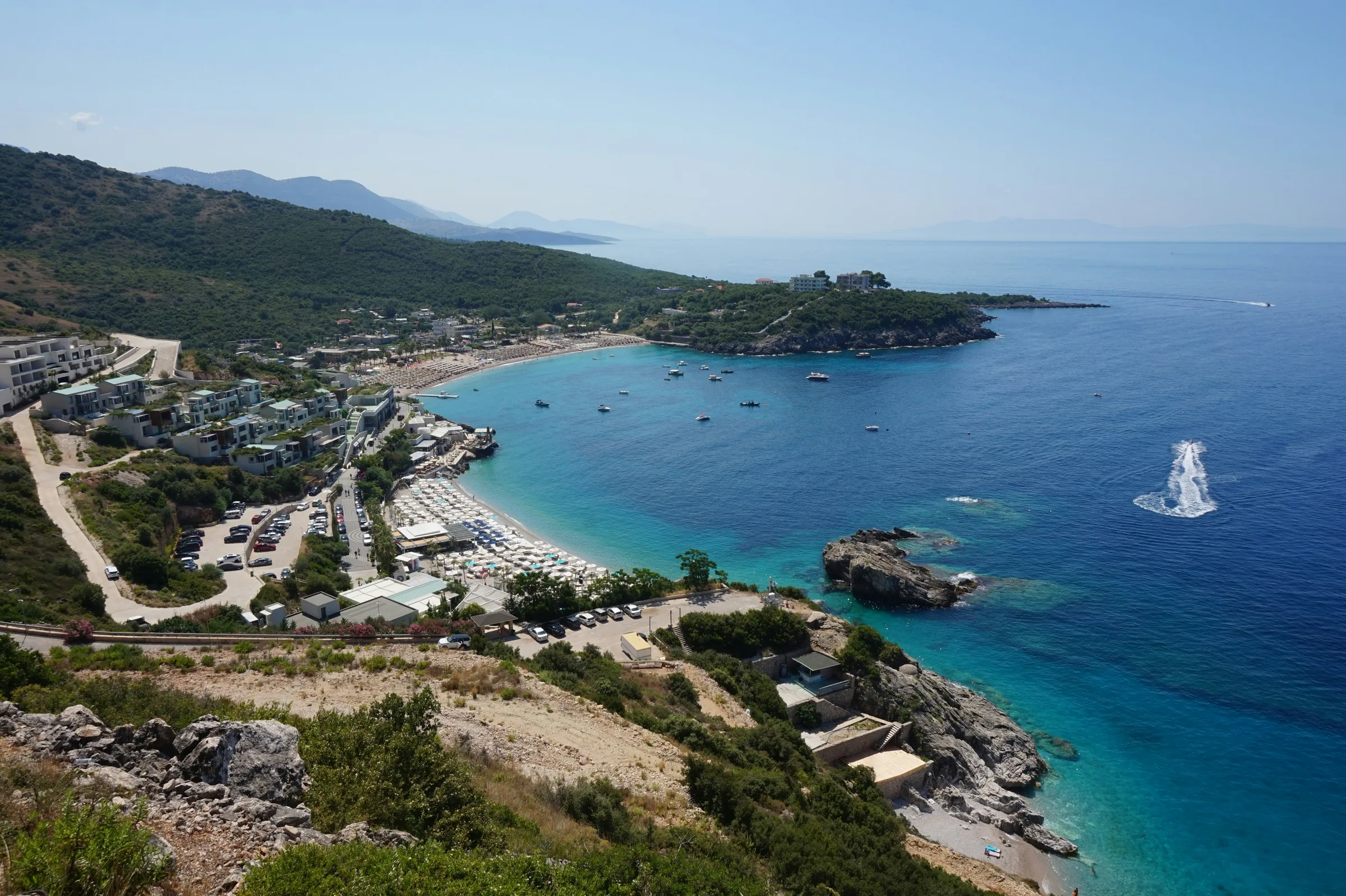
Albania: Adriatic shoreline and Balkan mountain terrain
Albania blends Balkan mountains, Adriatic shoreline, and urban culture into an underrated European destination. Here's what to know before you book.
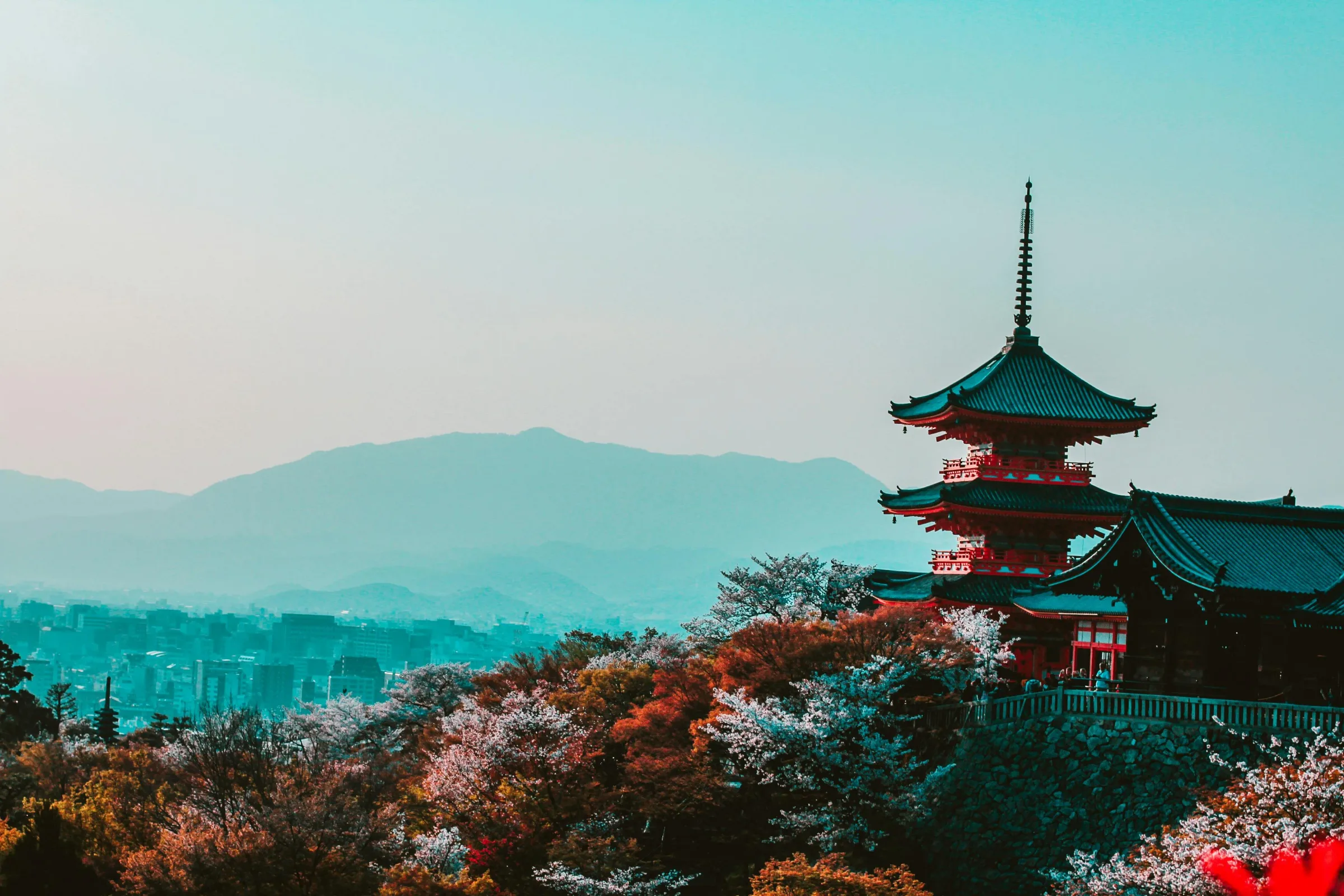
Japan · East Asia
Japan weaves together ancient temple architecture with futuristic cities. A cultural destination where craft traditions, Zen aesthetics, and regional contrasts define the experience.
Japan’s architectural landscape reveals itself as a carefully layered palimpsest. Each region presents its own configuration between sacred spaces and urban density. This layering contrasts sharply with European architecture destinations like Italy, where historical periods typically stratify chronologically.
Kyoto embodies the classical stratification of Japanese architectural epochs. With over 2,000 temples and shrines, the city documents the continuous adaptation of Chinese models to local aesthetics. Ryoanji Temple exemplifies this principle: its Zen rock garden contains 15 stones, yet only 14 remain visible from any single viewpoint—a spatial statement about perspective and imperfection (wabi-sabi). Conversely, Kinkaku-ji, the Golden Pavilion, demonstrates symmetric spatial sequences and Japanese garden architecture as total work. The geisha districts (Gion, Pontocho) preserve timber construction traditions in machiya townhouses with their characteristic window hierarchies.
Tokyo presents urban Japan’s essential contradiction. The metropolis layers from the modern high-rise clusters of Shinjuku to the Meiji Shrine, deliberately set within forest—a conscious spatial opposition. Teamlab Borderless functions as an art installation that merges architectural space with digital scenery. The city’s transformation across decades reveals competing design philosophies in single districts.
Hiroshima and its Peace Memorial represent memorial architecture as political statement. Modern design choices communicate reconstruction not as replication but as reinterpretation. The Itsukushima Shrine on Miyajima Island demonstrates alternative spatial logic: the torii gate stands within water, a visual suspension between land and sea, sacred space and nature.
Nara combines temple ensembles with urban integration. The Todai-ji Temple houses the world’s largest timber hall—an engineering marvel from the Nara period. Nara Park interlaces deer, temples, and urban structure into organic spatial sequence.
Himeji Castle demonstrates castle architecture as strategic spatial configuration. Its multiply-stacked layout embodies Edo-period engineering. The name “heron castle” references its elegant roof construction with curved ridges that echo feathered forms.
Koyasan comprises a monastic complex in the Kii Mountains. The Kongobuji Temple and Okunoin Cemetery, with its famous cypress-lined path, create a processional space sequence linking spiritual contemplation with physical experience. Comparable monastic architectures appear in European pilgrimage destinations, yet Koyasan’s timber linearity creates an entirely distinct spatial affect.
From Kyoto, the Arashiyama region lies within reach—bamboo groves and Sagano villages where washi paper mills preserve craft continuity, 30–45 minutes by train. The Fushimi Inari shrine complex with its 10,000 torii gates functions as spatial installation, a two-hour journey from Osaka. The gates form a compressed tunnel of sacred density.
Nara temples and Nara Park sit two hours from both Osaka and Kyoto. The coexistence of deer population and temple architecture creates an unusual urban-nature experience.
From Tokyo, Nikko offers shrines and mountain landscape—approximately two hours by train. Mount Takao lies nearer (90 minutes), providing forest trails and temple encounters.
From Hiroshima, Miyajima and its Itsukushima Shrine involve a brief ferry journey. The torii-gate ensemble transforms entirely between high and low tide—two radically different spatial configurations.
In Hokkaido, Biei and Furano villages present landscapes with cultivated lavender fields and rural timber-frame architecture.
Kanazawa functions as a craft-focused center with less tourist density than Kyoto. The Kenroku-En garden ranks among Japan’s classical landscape compositions. The samurai district preserves 18th-century timber facades. The Nomura samurai residence demonstrates interior spatial sequences and courtyard logic. Ceramics museums (Kutani ware) document regional craft transmission.
Takayama in Gifu Prefecture (Hida region) is a mountain town whose traditional street structure remains intact. Nakamachi Dori exhibits narrow lanes and timber-construction continuity. Sake breweries reveal how local microclimate influences flavor development. Visit before 9 a.m. to avoid crowds.
Yanaka is an old Tokyo district that resisted modern demolition. Narrow lanes, timber houses, quiet temples (Yanaka Ginza) and a living artist community preserve Tokyo’s spatial past. This quarter maintains what the metropolitan sprawl has erased elsewhere.
Naoshima is an art island in the Seto Inland Sea. The Benesse Art House integrates museum architecture with landscape. Yayoi Kusama’s monumental yellow pumpkin sits on the beach as installation artwork, not photo-opportunity. Similar contemporary art initiatives thrive on other Asian cultural destinations, yet Naoshima’s integration of concept and geography remains singular.
Kagurazaka in Tokyo’s Shinjuku ward houses galleries and a traditional sake brewery (Nakamuraya). A riverside walk passes functioning craft shops. Indie culture leaves street art at alleyway corners.
Onomichi in Hiroshima Prefecture is a port town animated by street-art movements and temple-path trails. The Ramen Museum documents local culinary architecture. Timber houses cascade down the hillside; few tourists arrive outside peak season.
| Jan | Feb | Mar | Apr | May | Jun | Jul | Aug | Sep | Oct | Nov | Dec |
|---|---|---|---|---|---|---|---|---|---|---|---|
| Low | Low | Peak | Peak | Sweet Spot | Sweet Spot | Peak | Peak | Sweet Spot | Peak | Peak | Low |
10° 0° | 11° 0° | 16° 3° | 21° 9° | 26° 14° | 29° 18° | 32° 22° | 33° 24° | 27° 20° | 21° 13° | 16° 7° | 11° 2° |
Ideal travel months are March–April (Hanami, cherry blossom season) and October–November (kouyou, autumn foliage). Spring temperatures reach 15–21°C with clear light, and sakura blossoms transform garden and temple spaces with ephemeral beauty. Autumn presents the same temperature range but with gold and crimson foliage tones in garden designs. Japan increasingly attracts travelers concerned with cultural sustainability and overtourism mitigation, making shoulder seasons particularly valuable. Zen gardens achieve maximum legibility in both seasons—spring through cherry-blossom mist, autumn through leaf color.
December is acceptable for winter festivals and temple celebrations. May brings Golden Week school breaks and the Baiu rain front (increased humidity). June–August are summer months with high temperatures (29–33°C) and the Baiu rainy season (lasting through July 19). August is very hot (approximately 33°C) and hosts Obon Festival, but also carries typhoon risk. September introduces typhoon season with heavy rainfall potential.
It merits noting that Japanese garden aesthetics are calibrated seasonally. A Zen rock garden reads differently in winter than summer—shadow lengths, atmospheric humidity, and the perception of empty space shift across months. Optimal travel timing thus becomes a question of aesthetic intention as much as climate preference.
Japanese culture rests on multiple stratified systems. The three writing scripts (Hiragana, Katakana, Kanji—approximately 2,000 characters) function simultaneously in everyday text. This is globally unique and shapes aesthetics from street signage to packaging design. Calligraphy (shodo) constitutes art practice, not mere script.
Shinto and Buddhism coexist not as competition but as functionally divided practice. People visit Shinto shrines for births and New Year (purification rituals), while Buddhist temples manage weddings and funerals. This duality reflects architectural landscape: shrines and temples often stand spatially proximate but follow distinct geometric logic.
Zen aesthetics permeate design and daily practice. The Ryoanji rock garden is not decorative object but spatial philosophy. Wabi-sabi—beauty of imperfection and impermanence—guides ceramic, garden, and construction decisions. Peeling lacquer on a temple door constitutes not defect but temporal patina.
Hanami (cherry blossom viewing) and kouyou (foliage viewing) transcend mere nature spectacle; they are cultural anchors structuring millennia of Japanese poetry (waka, haiku). Families and office colleagues gather beneath flowering trees—a social ritual encoding deep temporal awareness.
Etiquette and respect signaling are codified. The bow (ojigi)—steeper inclination signals deeper respect. Business cards are handled bilaterally (never crumpled). Shoes are removed in temples, homes, and specific restaurants. Passing food chopstick-to-chopstick is taboo (echoes bone rituals following cremation). Taboo numbers—4 (shi = death) and 9 (ku = suffering)—appear in urban planning. Building floors skip level 4; house numbers leap past 4.
Craft traditions remain living. Katagami stencil-carvers, washi paper makers, and regional ceramic schools (Arita, Bizen, Kutani) preserve techniques across generations. These remain accessible in design museums and artist quarters.
Never pass food chopstick-to-chopstick: This echoes bone rituals following cremation in Japan. A profound cultural taboo. Instead, place items on shared plates or use serving utensils.
Do not photograph inside temples and shrines where signs forbid it: Spiritual spaces merit respect. Generally, refrain from photographing people in tourist zones without permission—eye contact and polite request are standard.
Avoid loud telephone calls or conversation in public transit: Japanese convention dictates train and bus silence. Music via headphones; phone calls shifted to platforms. Disrupting social harmony (wa) is taken seriously.
Never step on or damage currency: Money is treated with respect. Leaving cash on the ground signals disrespect toward monetary form and nation.
Do not point at people with extended index finger: Finger gestures are considered rude in Japan. Open-handed motioning is preferred.
Avoid entering private courtyards or photographing household altars (kamidana): The boundary between public and private space is strictly encoded. Respect for domestic space is central.
International arrival: Major airports include Narita (Tokyo east, older), Haneda (Tokyo, modern, preferred), Kansai (Osaka/Kyoto region), and Naha (Okinawa). Airlines including Lufthansa, All Nippon Airways (ANA), and Japan Airlines (JAL) serve Germany, typically with one or two connections. Flight time: 10–15 hours.
The Japan Rail Pass (JR Pass) proves economical for tourists: approximately $309 USD (approx. 50,000 JPY, as of July 2026) for 7 days of unlimited travel on the JR network, including Shinkansen. Since the 2023 price reform the fast Nozomi and Mizuho services carry a surcharge on top of the pass. Worthwhile from two to three city-transitions onward.
Locally: The Shinkansen (bullet train) connects Tokyo and Kyoto in 2 hours 15 minutes. The train represents technological mastery—punctuality to the second is design philosophy. Local trains through JR and private lines (Kintetsu, Odakyu) traverse every region. IC cards (Suica in Tokyo, Pasmo elsewhere) enable contactless payment across the network.
Taxis are expensive (approx. $3–5 USD per kilometer) and recognizable by the driver’s white gloves—a professionalism signal.
On foot: Japanese cities prove highly walkable. Narrow street networks (historically organic) require digital navigation. Google Maps functions with Japanese characters.
Rental cars: Left-hand traffic (British precedent from the Meiji era). International driver’s license plus Japanese translation required (not automatically accepted). Highways are expensive (approx. $55 USD / 8,800 JPY for Tokyo–Kyoto route). Urban parking is costly and scarce. Not recommended for city-based travel.
Visas: German, Austrian, and Swiss citizens enter visa-free for up to 90 days as tourists. The passport must remain valid for the entire stay—no additional six-month requirement as in other nations. Successive visa-free entries are prohibited (visa-run ban). Exiting after 90 days and immediately reentering risks denial of entry.
Long-stay visas (employment, study, residency over 180 days) must be obtained before travel from a Japanese diplomatic mission.
Arrival: Two forms require completion: customs declaration and disembarkation card. These can be processed digitally via the “Visit Japan Web” app before arrival. Immigration collects fingerprints and facial photographs; persons under 16 are exempt.
Customs: Cash exceeding ¥1,000,000 requires declaration. Alcohol and tobacco follow quotas (3 bottles at 760ml, 200 cigarettes). Prohibited items include firearms, explosives, illegal drugs, counterfeit goods, and obscene material.
Health: No vaccination requirement for most travelers. Tetanus, diphtheria, and measles boosters are recommended. Japanese encephalitis vaccination for extended rural stays (August–September) is advised.
Insurance: Travel health insurance with repatriation clause is strongly recommended—medical costs in Japan are elevated. Typhoon cancellation coverage proves prudent during high-risk months (August–September).
General security: Japan ranks globally among the safest nations. Crime rates are low. Minor pickpocketing can occur in Tokyo and Osaka during rush hours. Political stability prevails; demonstrations do not occur in tourist zones.
Natural hazards: Japan experiences approximately 1,500 earthquakes annually—most are minor. Modern buildings and hotels feature earthquake-resistant construction. Public evacuation plans exist. Typhoons predominantly affect August–October and can disrupt flights and trains. Warning systems are advanced; hotels close early and notify guests. Volcanoes with active zones are marked with exclusion areas and warning signage.
Tap water: Completely safe and high-quality treated nationwide. Japanese regularly consume tap water. No gastrointestinal distress anticipated.
Medical care: Meets international standards. Large cities host English-speaking hospitals and clinics. Purchasing medications in pharmacies (yakkyoku) requires prescriptions for certain substances. Some internationally unrecognized medications cannot be imported (e.g., certain sleeping aids).
Emergency contact: Police: 110; ambulance/fire: 119. Public telephones function with coins or cards. Registration in Germany’s ELEFAND crisis list (Auswärtiges Amt) before departure is recommended.
Albania blends Balkan mountains, Adriatic shoreline, and urban culture into an underrated European destination. Here's what to know before you book.
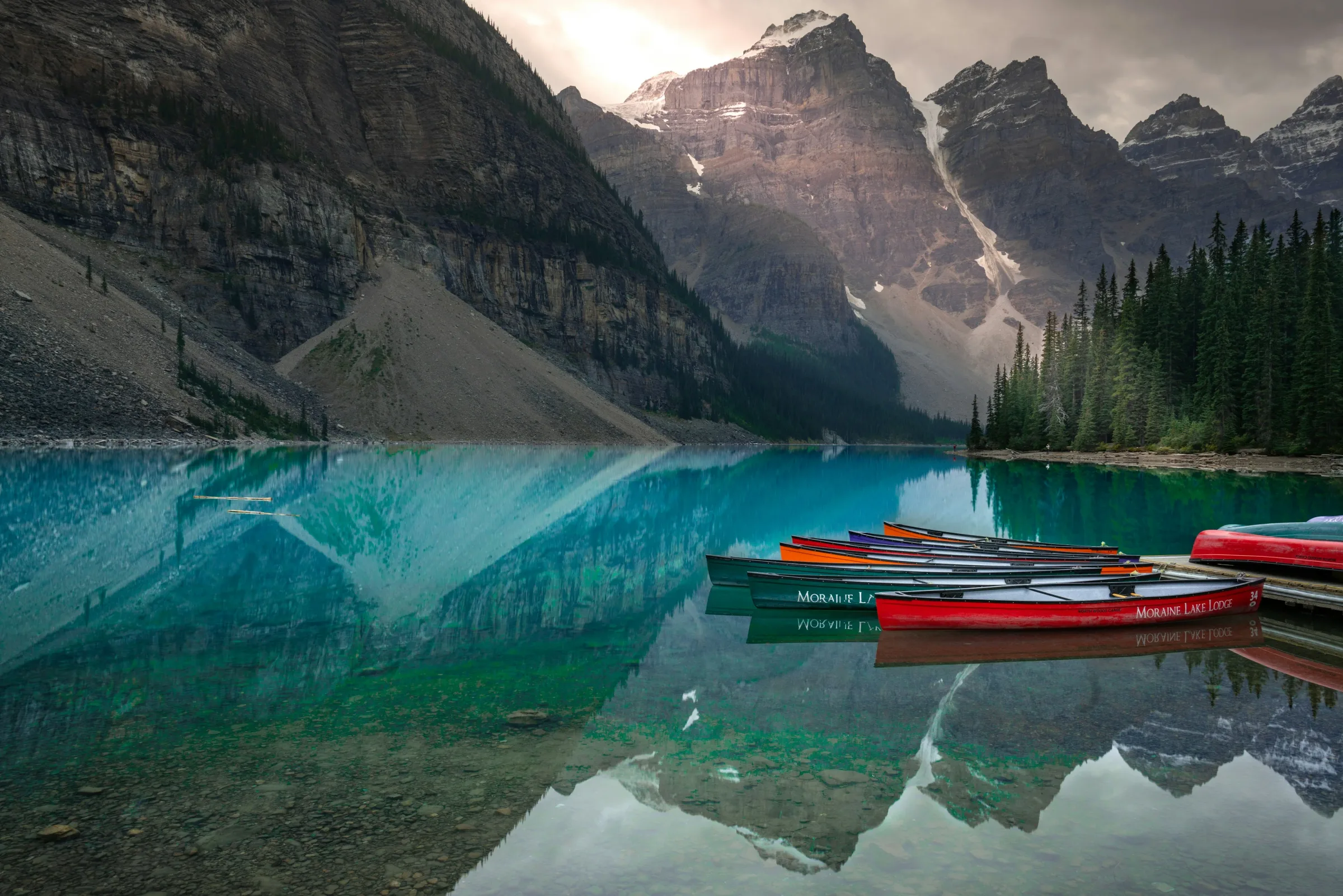
Canada is pure outdoor adventure: national parks, trekking, northern lights, and wilderness instead of city breaks. Summer (June–September) for hiking and lakes; winter (December–March) for skiing and the Aurora Borealis.
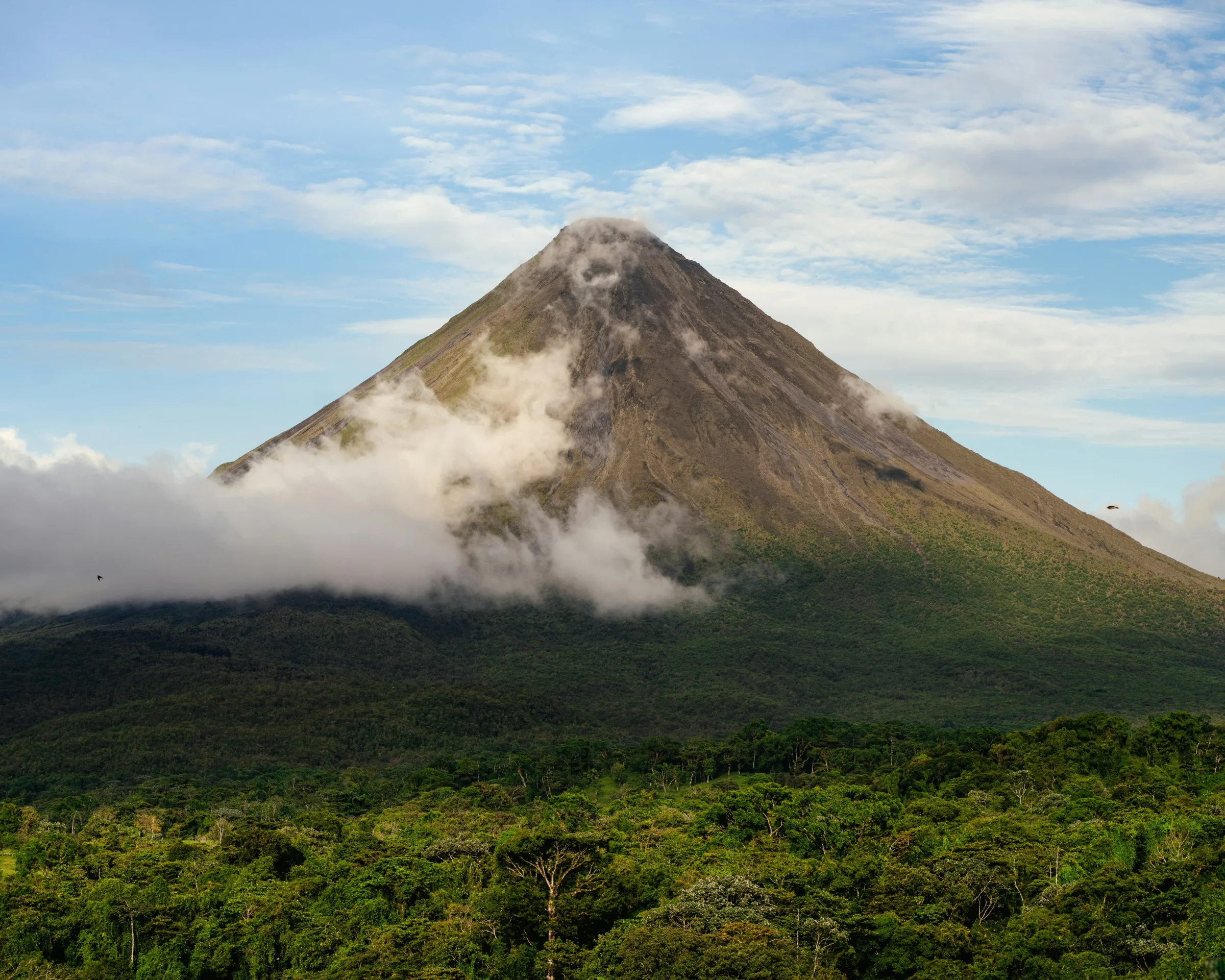
Costa Rica's reputation as an ecotourism pioneer is partly earned—but hotly contested. Know the real trade-offs before you book your trip.
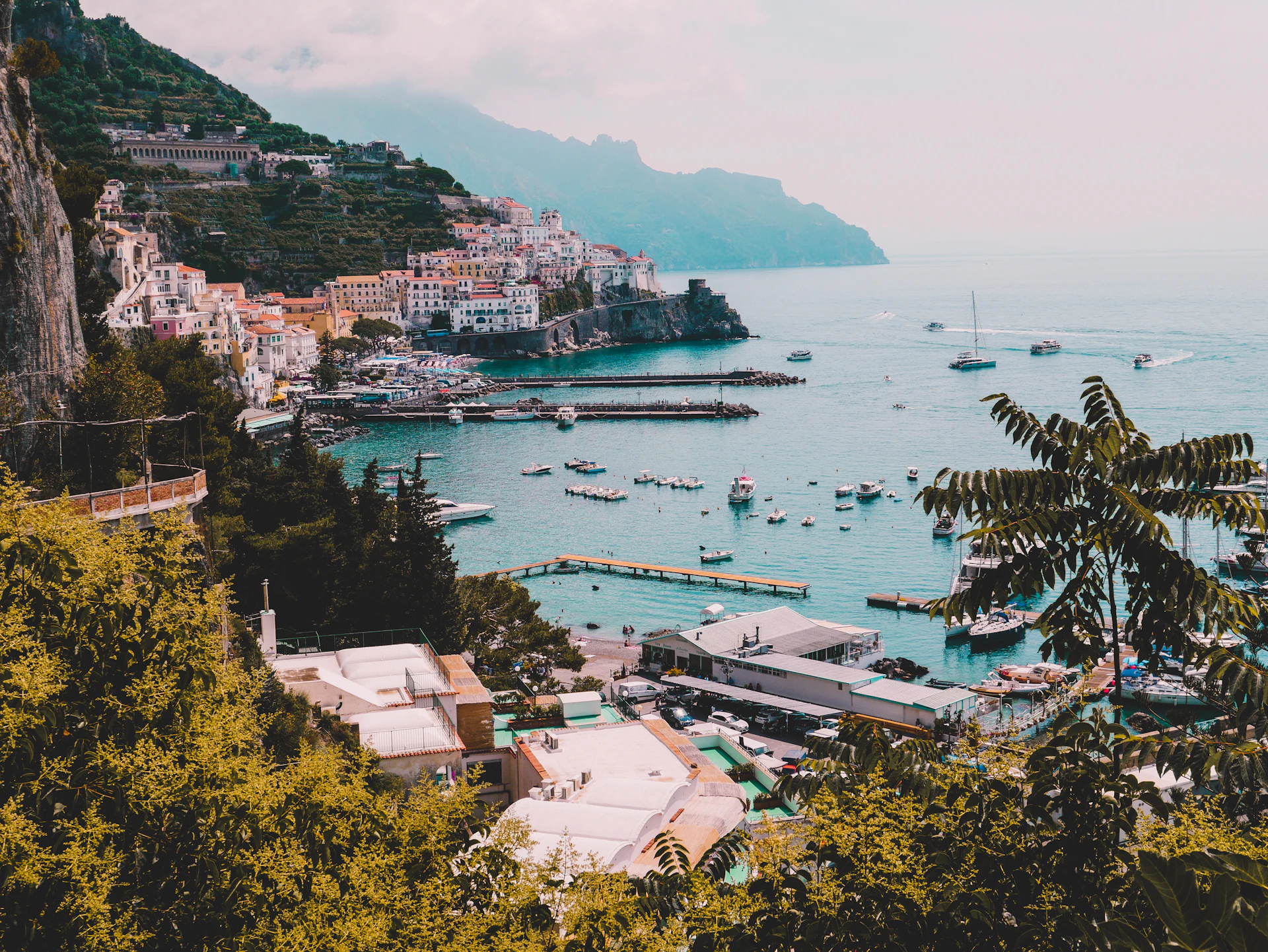
Italy weaves prehistoric limestone cliffs with Renaissance architecture, Roman ruins with Alpine peaks, street food with wine culture. A country overview for travelers seeking authenticity beyond mass tourism.