Backpacking Beginners: From Plan to First Trip
How to prepare for your first backpacking trip — from backpack selection to psychological readiness. Realistic budgets and practical checklists.
TravelFeelings Editorial Team
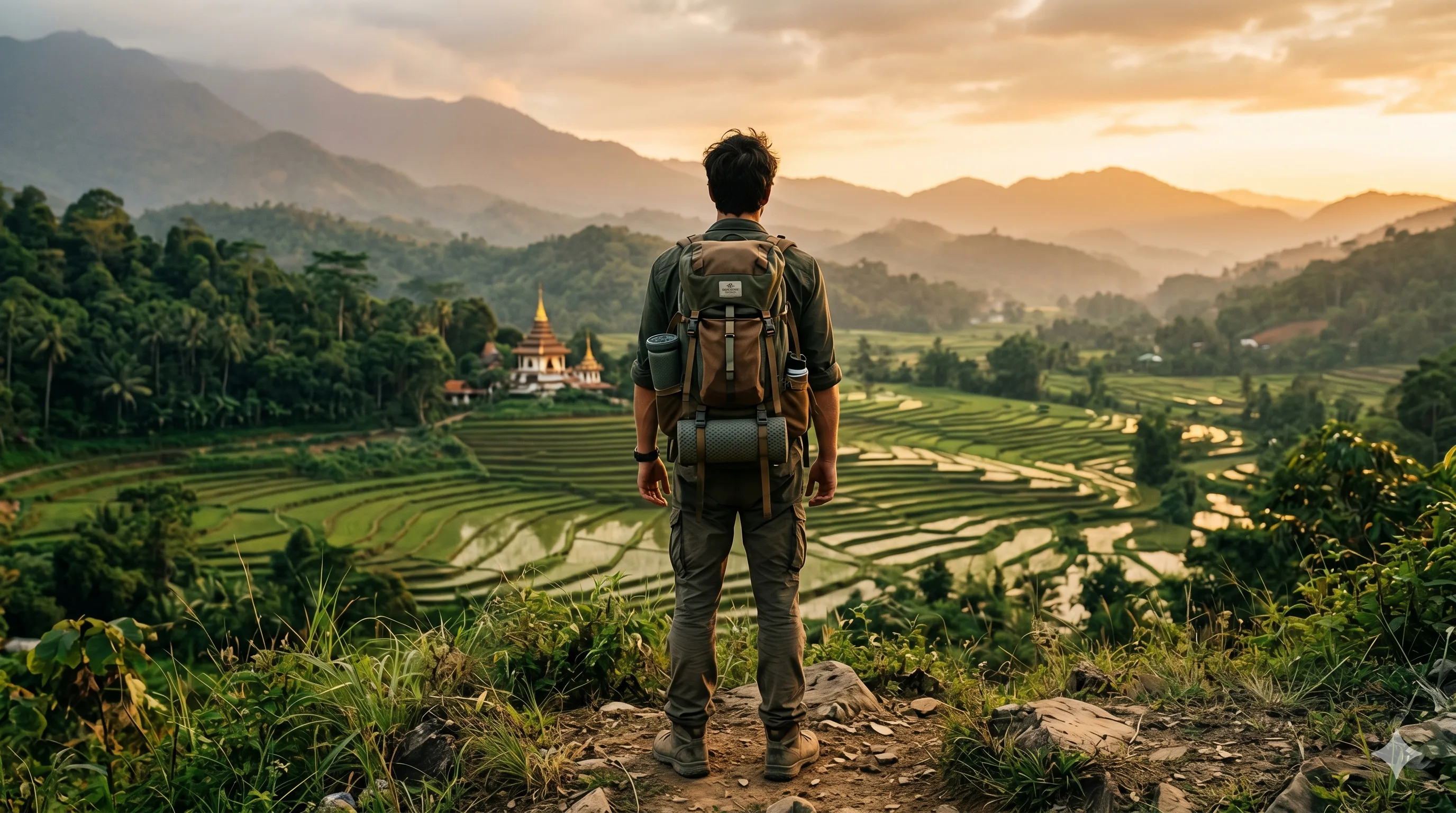
The first question is always the same: Isn’t this way too expensive? No. The second question: Isn’t this way too dangerous? No. Both questions come from fear, and fear comes from the unknown. That’s why you’re here.
Backpacking hasn’t gotten cheaper, but it’s still possible. Southeast Asia (Thailand, Vietnam, Cambodia) costs less than $1,200 for an entire month if you do it right. That’s cheaper than a month at home with car, rent and utilities.
The Right Backpack
A bad backpack is like a bad partner on a long trip: ruthless. You wear this pack daily, sometimes for hours. 40 to 50 liters of capacity is enough. Your loaded backpack should weigh no more than 25–30 percent of your body weight.
The Packing List
Five to seven days of clothing is enough because most hostels have washing machines. The secret: packing cubes. Small bags where you organize clothes by category.
The Budget
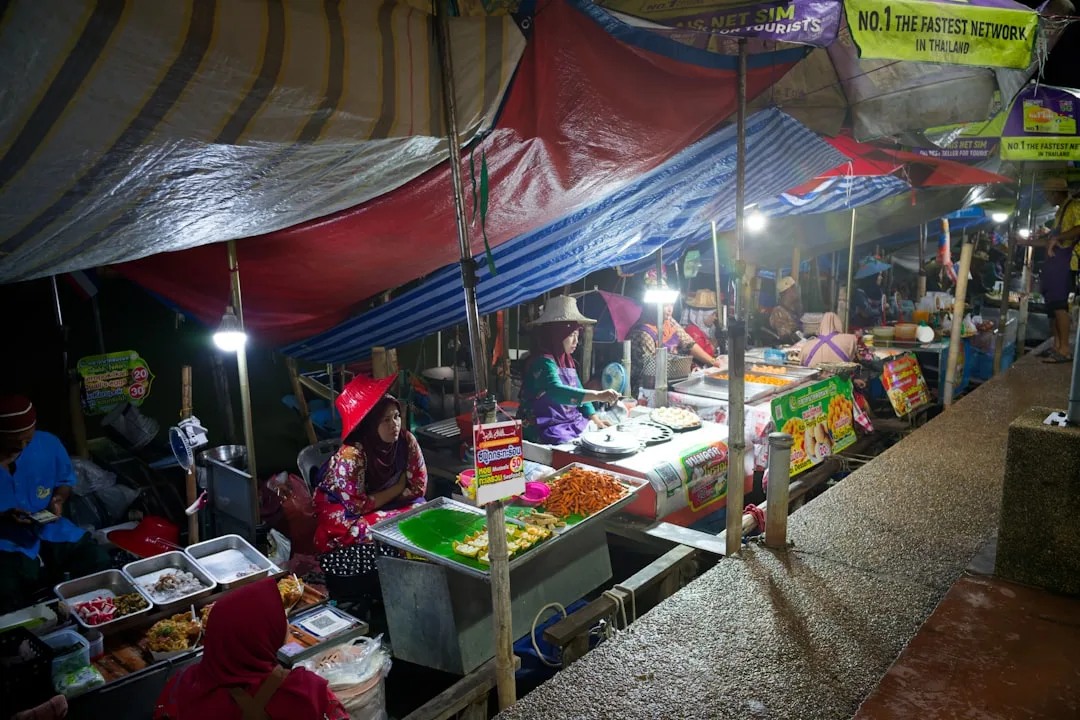
The magic number for budget backpacking in Thailand, Vietnam and Cambodia is USD 23–37 per day (June 2026: 1 EUR ≈ 1.15 USD). That breaks down as: Hostel dorms USD 4–7 per night. Cambodia is cheapest (USD 3–5). Food costs USD 6–14 per day.
Accommodation
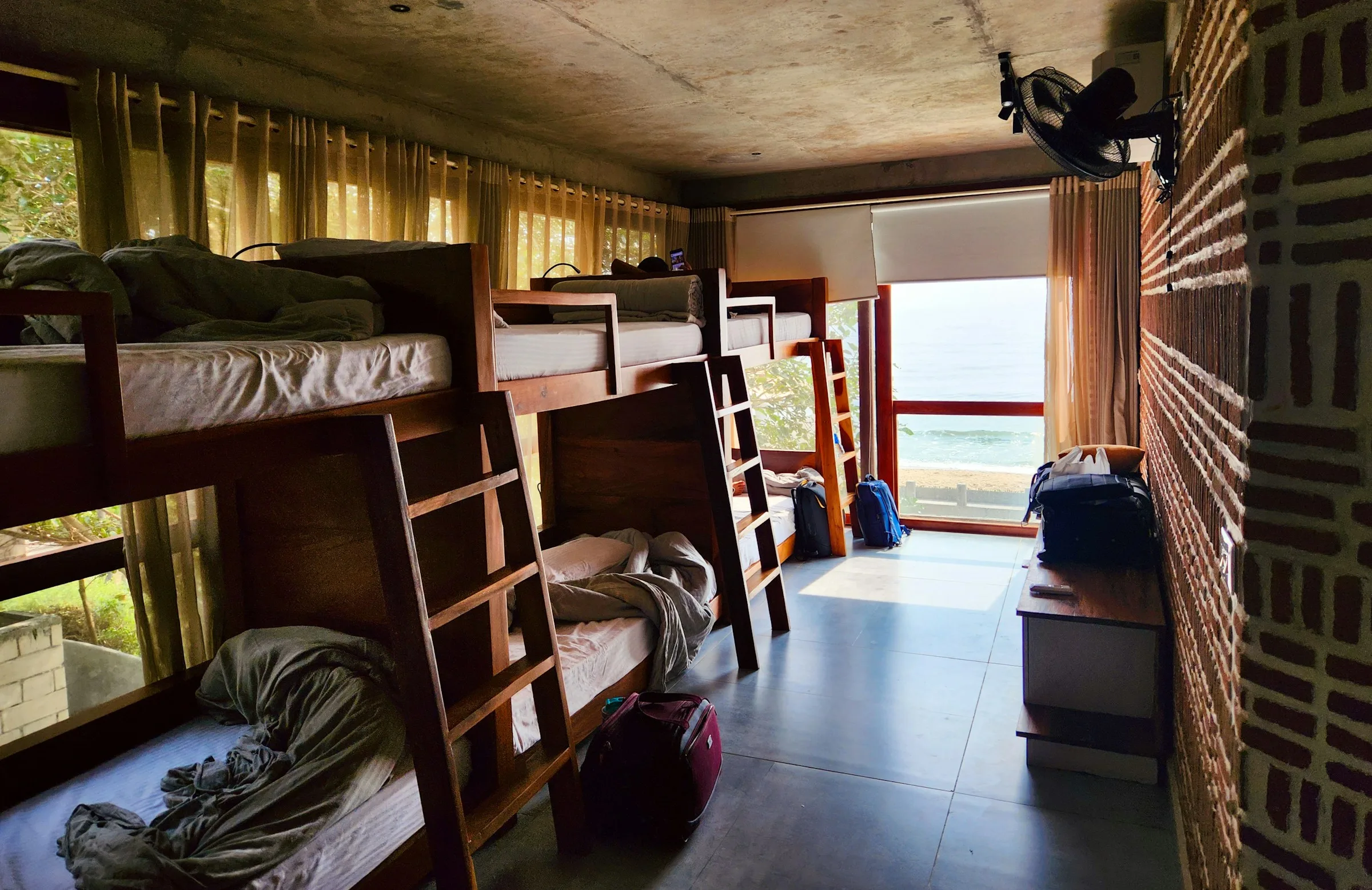
A hostel isn’t the opposite of comfortable, it’s just the opposite of private. A good hostel dorm has a clean bed with sheets and blanket, a locker for your valuables, bathrooms with warm showers, WiFi, and often a communal kitchen.
Transport
Anyone traveling Southeast Asia spends a lot of time on buses. The secret: sleeper buses. You can actually sleep on them. A sleeper train Bangkok to Chiang Mai costs USD 15–34.
Safety
In Southeast Asia (Thailand, Vietnam, Cambodia), violence against backpackers is rare. Carry your money and passport in a money belt under your clothing. Distribute your money: some in the bank, some in cash, some in an emergency reserve.
Psychological Preparation
This is what nobody talks about: the psychological hurdles. Your first night in a Thai hostel will feel overwhelming. After one week, it’s gone. After two weeks, you’ve made a real friend. A solid travel insurance policy gives you peace of mind for unexpected problems.
Your First Route
Why Southeast Asia? Because it checks every box: cheap budget, stable politics, established backpacker infrastructure, warm weather. A typical four-week route: Bangkok three days, Chiang Mai seven days, Siem Reap four to five days, Vietnam eight to ten days. Before your flight, grab an eSIM or data plan and you’ll have connectivity everywhere.
Your First Day
You land, check into your hostel, shower, throw yourself on the bed. You’ll feel weird somehow — that’s normal.
Then you go downstairs and sit in the communal kitchen or hostel bar. Someone will ask where you’re from. That’s your entry point. After 30 minutes you know where the good food is. After two hours you have people to have dinner with.
That’s backpacking. Not the temples, not the photos, not the Instagram moments. It’s meeting other people who had the same dream as you and together experiencing an adventure that costs less than a vacation at home.
Let’s go.