Street Food and Local Markets: Authentic Meals Under $10
How to eat from street food and local markets for under $10 daily — without compromising on taste. A practical guide for backpackers in Southeast Asia and Latin America.
TravelFeelings Editorial Team
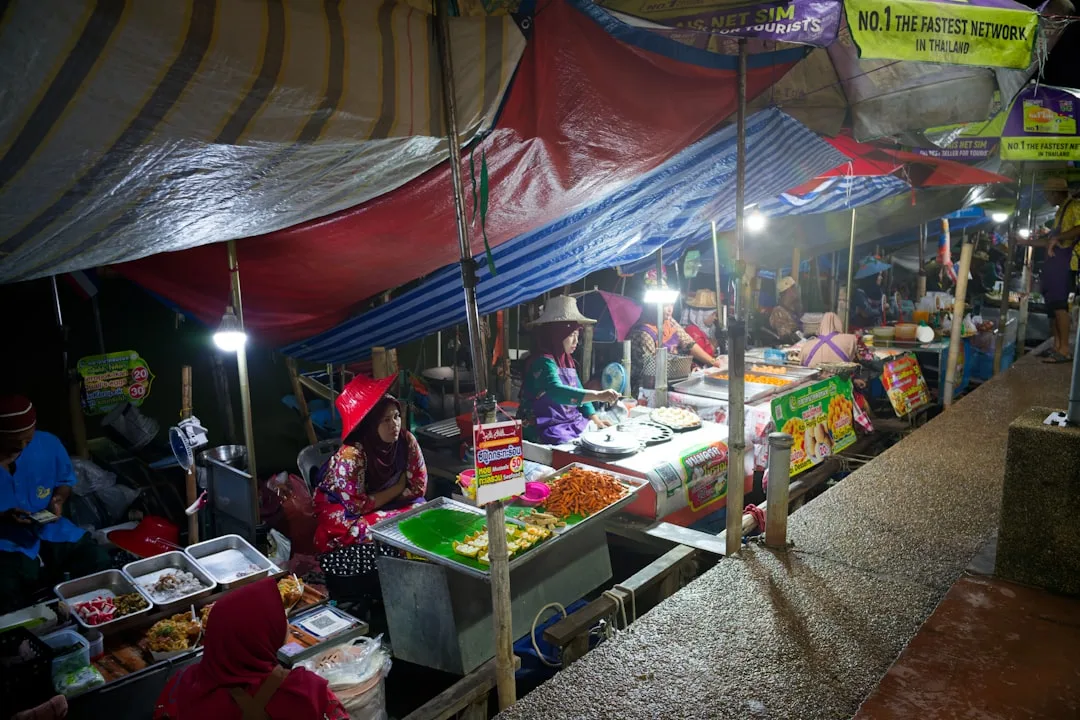
The most surprising revelation of budget travel is this: the best meals cost between $2 and $5. A plate of Thai curry from a street cart, Pad Thai from a vendor, a bowl of pho in Hanoi — all under $3, all better than what you’d get in European restaurants for $18. Street cooks and market vendors in countries like Vietnam and Thailand simply cook better than restaurant chefs catering to tourists. That’s the whole trick — no self-deception, no grimy kitchens involved.
Why Street Food Isn’t Unsafe — the Real Story
The first question friends ask: “Don’t you get diarrhea all the time?” To be blunt: in 15 years of long-term travel, I’ve had fewer stomach issues than in my first year in Hamburg. The reason is simple: the street vendor doesn’t brew his sauce to poison you. He brews it because a hundred people eat from it daily — and if they got sick, word would spread and his customers would vanish.
There’s nothing romantic here. It comes down to economics. A street vendor lives by his reputation, which spreads within 200 meters. An expensive restaurant catering to tourists can afford a bad day; a street stall cannot.
The only rules I follow: eat where many people eat. Avoid cold dishes that have been sitting for hours. Drink bottled water, or refill only at clearly well-maintained stations. That’s it. In reality, you almost never get problems unless you eat raw meat from dubious sources.
How Much Does Street Food Actually Cost? (Updated June 2026)
This is the question everyone loves to speculate about. Here are current prices from my recent weeks in Bangkok and Hanoi:
Thailand (Bangkok, Chiang Mai):
- Pad Thai, Pad Krapow (pork-basil rice): $1–$2 (approx. 40–80 THB)
- Khao Mun Gai (chicken rice): $1.50–$2.50 (approx. 60–100 THB)
- Soup: $1–$2
- Fruits & shakes: $1–$1.50
Vietnam (Hanoi, Ho Chi Minh City):
- Pho (beef or pork): $1–$2 (approx. 25,000–50,000 VND)
- Bánh Mì (sandwich): $0.80–$1.50
- Com Tam (rice with chicken and durian): $1–$2
- Smoothie: $0.80
Peru (Lima, Cusco):
- Lomo Saltado (beef-vegetable rice): $4–$6 (approx. 15–25 SOL)
- Ceviche: $4–$7
- Causa (potato purée with fish): $2–$4
- Anticuchos (meat skewers): $1–$2
Updated: June 2026. All prices in USD + local currency in parentheses per current rates (1 USD ≈ 0.92 EUR, 40 THB, 25,000 VND, 4 SOL).
The Psychology of Market Navigation
Your first time on a Southeast Asian market is sensory overload: lights, shouts, smells, a hundred cooks yelling “Hello!” The first strategy should be: find the unglamorous corner. Skip the stalls with English menus and the young, cheerful cooks plating Instagram-worthy bowls. Head for the corner where older women come for their lunch break — from school, office, construction site. Those are the real prices, the ones locals pay.
There’s nothing snobbish about it. The logic is practical. A place for workers is a place with high turnover and consistent taste. The woman who’s cooked the same dish for 40 years is a more reliable choice than the charismatic cook with three specialties.
Second: point, don’t speak. If you don’t speak the language, gesture at what you want, or point at a neighbor’s plate. Find a table near locals and watch what they eat. Glossy sauce, appetizing meat, and brisk turnover — three signs of a stable, standard dish.
Respect the Market and the People Working It
I see Instagram stories daily of backpackers posing in front of market stalls like they’re in a zoo. It’s absurd and disrespectful. These people are earning their living, and they didn’t sign up to be your content.
Come early when the market is alive, when the selection is widest and the prices most honest. By 11 AM, the cooks have found their rhythm and work fast. By 2 PM, the best offerings are gone.
Talk to other guests — locals will tell you where it’s good. A two-minute conversation with the woman next to you often beats any blog.
Price Negotiation: When Yes, When No
In markets in Thailand and Vietnam: No. Prices are already so low that negotiating makes no sense. A meal that costs $3 won’t drop to $2.50 because you asked nicely. You’ll just make yourself look ridiculous.
In Peru, Indonesia, and Latin America: Sometimes. But not on your first visit and not when other customers are around. If you become a regular, there will be small discounts or extra portions — because the woman knows you — a rapport that builds over repeat visits.
The blanket rule: pay what’s named. Save your energy for bigger battles — hostels, buses, accommodation.
The Psychological Component: Why You Shouldn’t Feel “Guilty”
Some backpackers develop bad conscience when they eat three meals for less than $10 and the cook works six hours a day. It’s understandable, but it’s also naive. This woman earns her normal income whether you eat cheap or not. You pay what the dish costs. Full stop.
If you really want to make a difference: eat there regularly. Come back tomorrow and the day after. A new regular customer is worth more to a street vendor than a generous one-time donation.
Further Inspiration for Budget Travelers
If you’re interested in long-term backpacking, read the article on backpacking for beginners. Street food is one component, but understanding proper planning and packing techniques helps you stay under $10 daily.
What I Haven’t Said: Why These Markets Are Disappearing
There’s one uncomfortable point. In Thailand and Vietnam, such markets are slowly disappearing. The reason is generational: the next generation doesn’t want to be a cook. The daughters of these women go to university or work in call centers. In 20 years, these markets will still exist, but less often and less authentic.
Skip the “visit before it’s gone” urgency. These markets work right now, full stop — that’s reason enough to eat there, no need to treat them as sacred or endangered. Your tourist presence won’t save a market. Your honest lunch there is still a good lunch, and that’s enough.