Budget Backpacking in Southeast Asia: $25/Day Reality
Under $25 a day across Southeast Asia is possible — Laos and Vietnam deliver the best value. Thailand remains viable. Real numbers and honest limits.
TravelFeelings Editorial Team
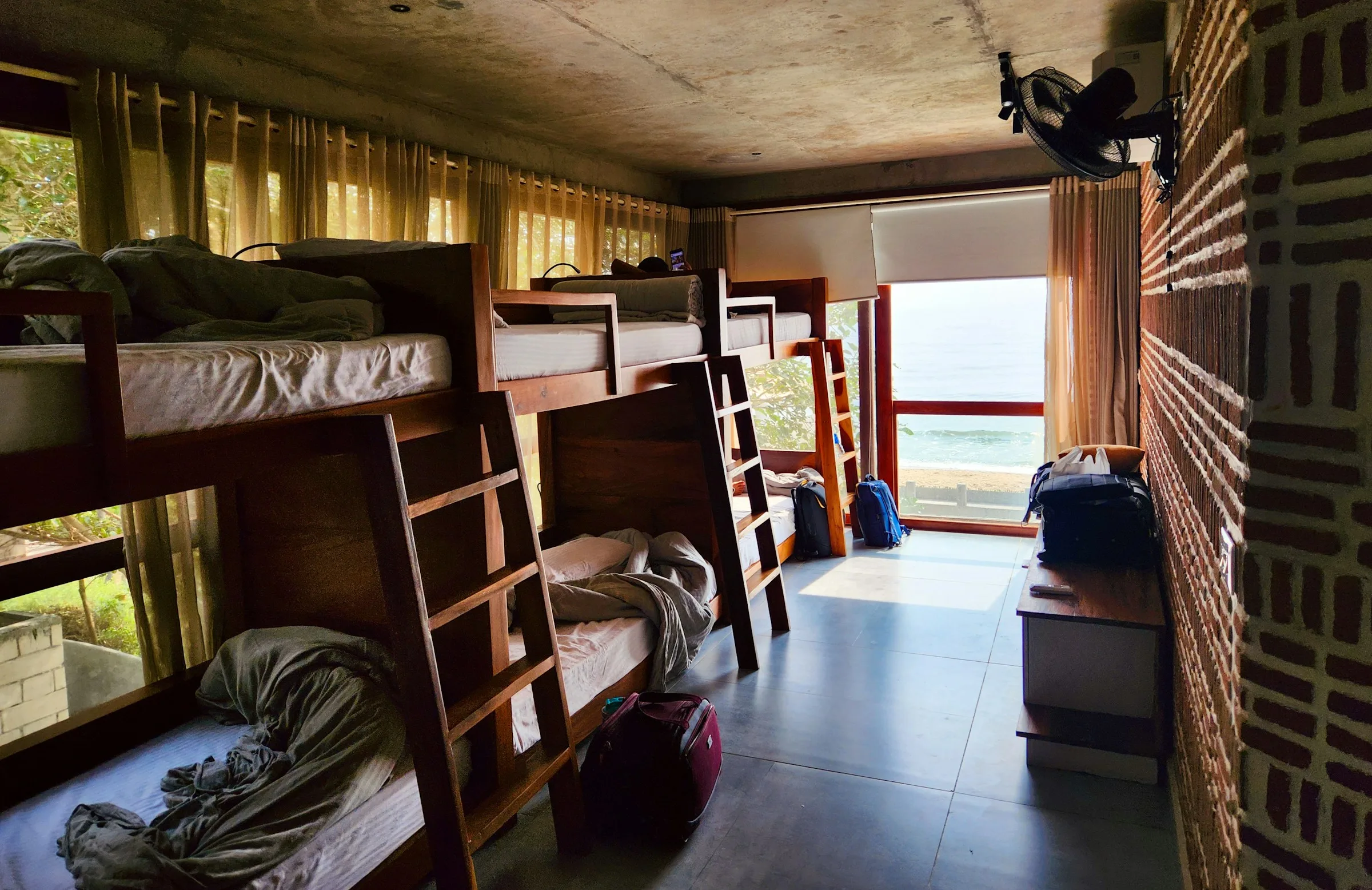
Cheap backpacking comes down to math, not deprivation. Some destinations stretch a dollar much further than others. If you’re planning your first backpacking trip, these destinations are where you’ll want to start. Here are five destinations where staying under $25 daily is genuinely realistic.
Laos: $17–20/Day — The Best Math
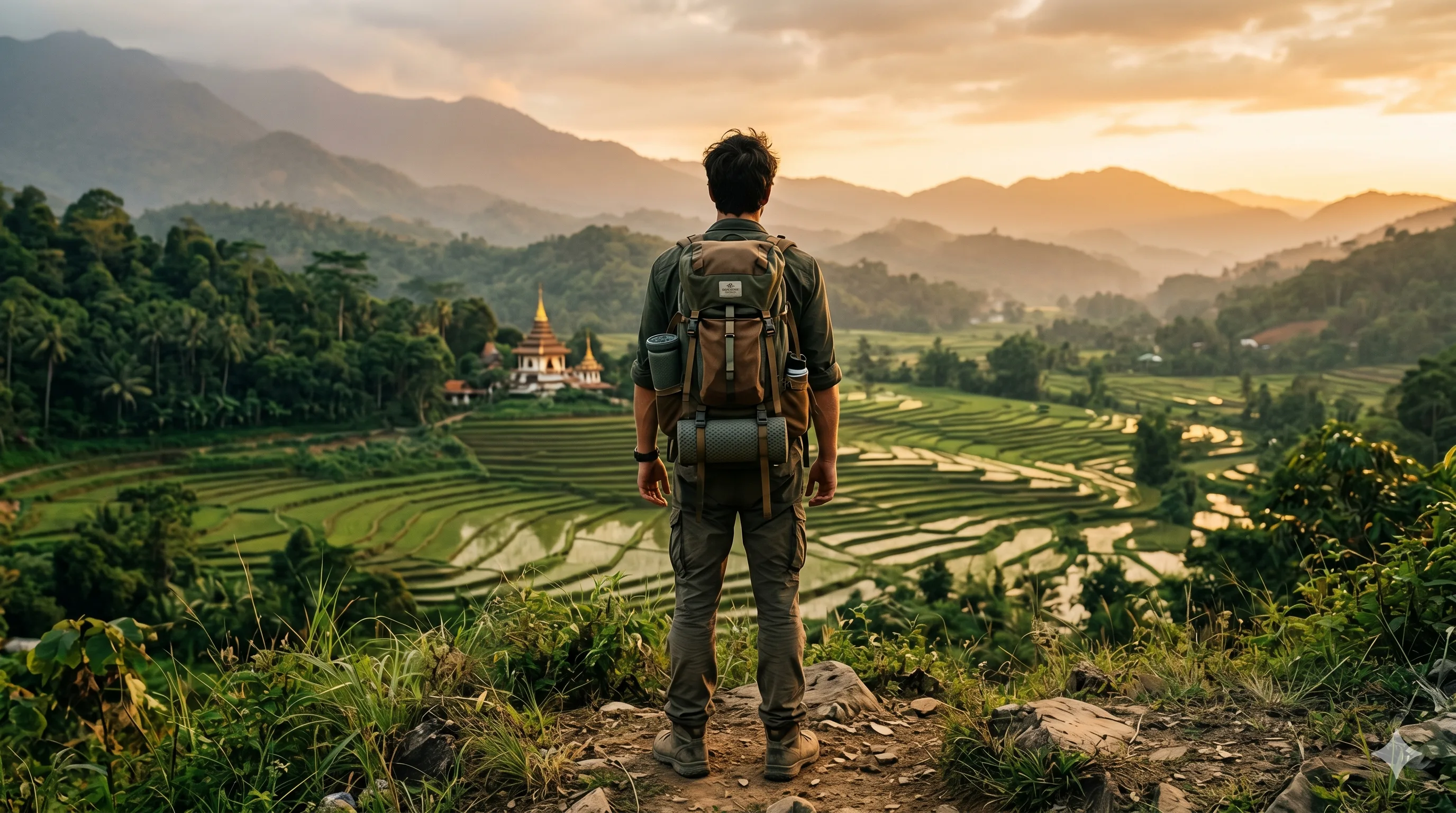
Laos isn’t where most backpackers start. That’s the problem with Laos. Those who do go spend less for more space, fewer tourist infrastructure, more quiet. A dorm bed in Vientiane or Luang Prabang costs $5–7 (approx. 120,000–170,000 LAK). Food is cheaper than anywhere else: a plate of green papaya salad for $2 (approx. 50,000 LAK), beer for $1 (approx. 25,000 LAK).
What’s free: the waterfalls around Luang Prabang — Tad Li and Kuang Si — are either free or charge 50 cents max. Kayaking on the Mekong too.
The catch: infrastructure is inconsistent. Internet goes down without warning. Medical care concentrates in the capital. Bus rides are brutally cheap ($15–20 for overnight sleepers across the country, approx. 180,000–240,000 LAK), but uncomfortable and run on anarchist schedules.
Vietnam: $18–24/Day — The Best Mix
Vietnam is Laos with working infrastructure and more people. A dorm bed in Hanoi or Ho Chi Minh City costs $5–9 (approx. 140,000–260,000 VND). Food is extreme here: a real bowl of pho from a street stall runs $1.50–2.50 (approx. 50,000–75,000 VND). Bánh mì even less.
Free: thousands of kilometers of coastline. Hoi An is touristy but cheap. The landscape itself is free — beaches, rice paddies, limestone cliffs. Kayaking in Ha Long Bay in budget segments starts at $30 for overnight tours.
The problem: Hanoi and Ho Chi Minh City get pricier annually. Tourist zones like Hoi An mark up prices for Westerners — what costs a Vietnamese person $2 gets quoted to you at $4. Scooter traffic is chaotic and dangerous. Stomach bugs and parasites happen more here than elsewhere in Southeast Asia.
Thailand: $22–30/Day — The Most Expensive of the Three
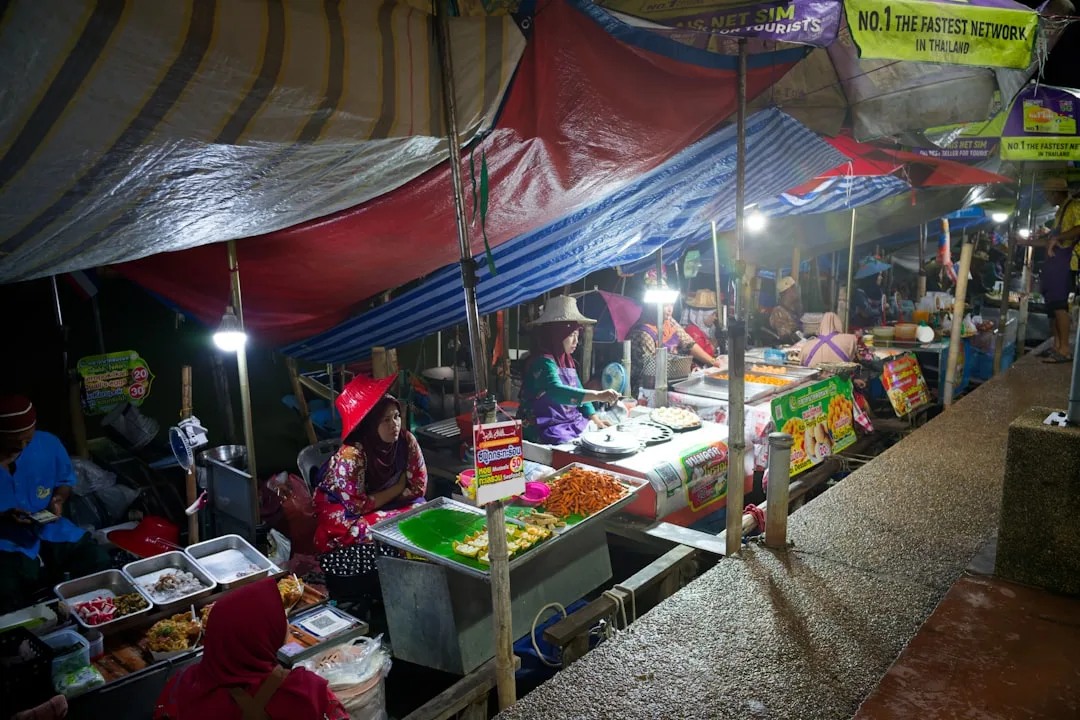
Thailand is the gateway to Southeast Asia, and you pay for that at checkout. A dorm bed in Bangkok or Chiang Mai costs $7–12 (approx. 260,000–450,000 THB). Food remains cheap: pad thai $1.50–2.50 (approx. 55,000–95,000 THB). But tourists are numerous, and pricing reflects that.
Free: the islands south of Bangkok (if you skip the famous ones), mountain villages in the north, national parks. Doi Inthanon costs almost nothing.
The problem: Thailand is getting pricier. Bangkok is saturated. Islands like Phuket and Phi Phi are full-on mass tourism. The cultural diversity that makes Thailand compelling — temples, street markets, nightlife — also makes it the most visited destination in the region. To cut data costs, modern eSIM plans beat local SIM cards. Prices rise. Tourism changes the places we follow.
Cambodia: $16–22/Day — The Underrated Option
Cambodia is cheaper than Vietnam and less crowded than Thailand. A bed costs $4–6 (approx. 160,000–240,000 KHR). Food is similar to Laos and Vietnam.
Free: Angkor Wat is not ($37 for one day, approx. 1,400,000 KHR), but its surroundings are. Kbal Chhay waterfalls are free. Tonlé Sap villages cost almost nothing.
The problem: Cambodia is less-established tourism-wise, which means advantages (less price markup) and disadvantages (worse infrastructure, less accountability for safety standards). Malaria still exists in provinces. Politics are stable, but police corruption is real.
Nepal: $18–26/Day — The Best Mountain Alternative
Nepal stays cheap because trekkers come for the hills. A dorm costs $5–8 (approx. 650–1,040 NPR). Food is similar to Southeast Asia, though Nepali food itself is repetitive and overly sweet.
Free: trekking. The Annapurna Circuit, the Everest Base Camp Trek — both routes demand no entrance fees, only teahouse lodging ($6–12 per night, approx. 780–1,560 NPR), meals ($4–6, approx. 520–780 NPR), and your legs. Kathmandu’s Durbar Square is free to walk.
The problem: Nepal sits high, which means altitude sickness for some. Monsoon risk from June through September. Infrastructure feels improvised — a trekking “hostel” in the backcountry might just be someone’s house without a license. Hygiene varies.
The Honest Point
Five countries, one crucial fact: these destinations stay cheap for you because they’re economically constrained. Tourism is a side income, not a sustainable foundation. Prices stay low because wages stay low. This isn’t romantic. When you pay less, you carry ethical responsibility: pay locals fairly, carry solid travel insurance to cover emergencies, and don’t pose as enlightened because you’re adventuring. Don’t go to the next Instagram hotspot. Travel to provincial areas, not the backpacker circus. Don’t undercut a restaurant owner because you know they’d accept two dollars. The principle of cheap backpacking is confidence that your budget gets you through.
The numbers above work if you behave like a normal human — travel hacking isn’t the point.