Daily Travel Budget — How Much Money You Really Need
From honest cost calculations through hidden fees to regional price tiers — everything that actually determines your daily travel budget.
TravelFeelings Editorial Team
Here’s how every travel conversation starts: “How expensive is this going to be?” Then: “What if the money runs out?” The hidden third question is usually: “What if I can’t actually afford it?”
Daily budgets are simple math. What nobody tells you is how the real world works before you go. In practice, an average budget sits well above the minimum, and the minimum sits above bare survival. That’s a critical difference.
What Does Travel Actually Cost Per Day?
There’s no universal answer. There are zones. Southeast Asia costs USD 22–33 per day if you live like a normal person: dorm hostels, street food, and buses instead of private rooms, restaurants, and flights. Latin America runs USD 28–38 for the same lifestyle. Western Europe runs USD 88–130. That’s middle-ground spending for a normal traveler.
Some travelers survive on USD 16 per day in Bangkok — eating local noodle shops, six-bed dorms, zero activities. It’s possible. It’s also grinding. As a rule, USD 25–30 per day in Southeast Asia is realistic without feeling constrained.
How Your Money Actually Breaks Down
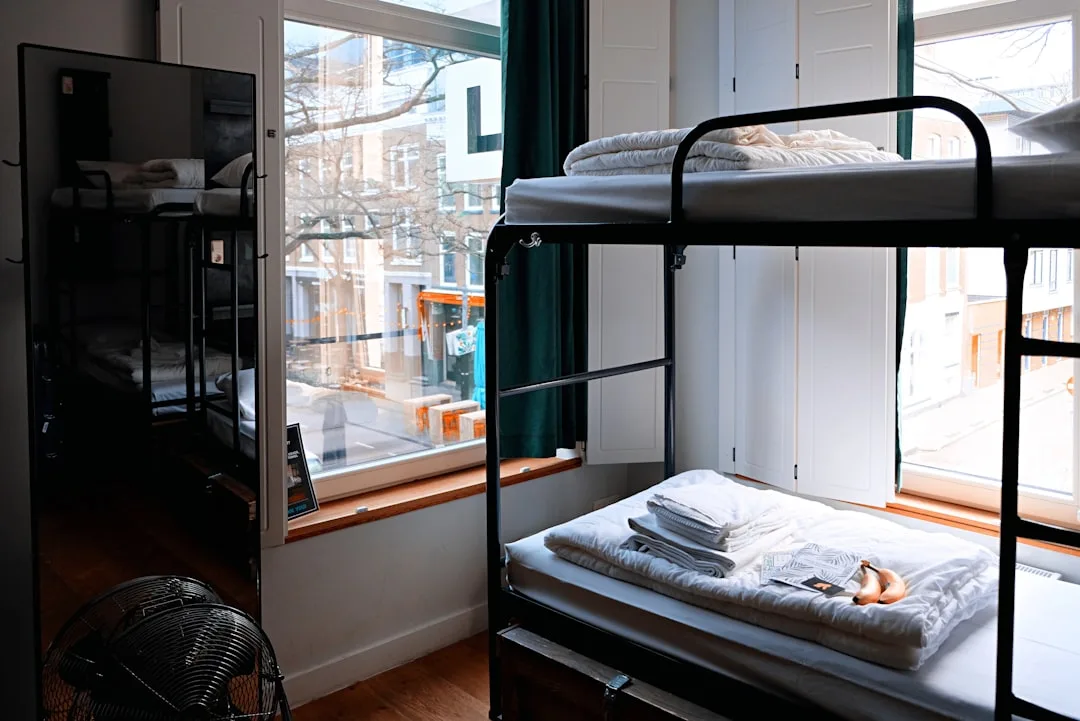
Accommodation eats the budget. A hostel dorm in Bangkok runs USD 7–13 per night. Chiang Mai: USD 5–9. Luang Prabang (Laos): USD 4–7. This is your biggest variable, bigger than food or transport. Where you sleep determines whether USD 22 or USD 30 is your realistic budget.
Food: A street meal (pho, pad thai, curry) costs USD 1.10–3.30. A tourist-priced restaurant meal: USD 5.50–13. The reality check: USD 7–15 per day for eating is fair math. That’s three solid meals and occasional drinks.
Transport: Day trips are cheap (USD 3.30–9). Overnight buses are often cheaper than hotel nights (USD 11–22) and work out because they cover accommodation while you travel. The killer: inter-country flights. Bangkok to Phuket runs USD 33–66 and punches through your budget.
Activities: This is the unknown variable. Temple entries run USD 2–5. A guided tour USD 22–55. A day of snorkeling USD 33–66. You can skip this category entirely, or it can consume half your daily budget.
The Big Hack: Timing and Duration
Two things control your real budget: when you travel and how long.
High season (December to March in Southeast Asia) drives hostel prices up 20–30%. A USD 7 bed becomes USD 9. A USD 110 hotel becomes USD 143. It seems minor, yet over two weeks it adds up to USD 110 or more.
The longer story: Long-term travelers (three months plus) spend less per day because they spread the trip. One transit day with two flights can double your daily spend — spread over a week, it doesn’t. A visa application (USD 66) costs USD 2 per day spread over 30 days. Spread that cost across 90 days and your average drops USD 1.
Where the Real Money Vanishes — Hidden Cost Traps
ATM fees. Every withdrawal costs USD 2–3. Sounds minor, but 30 withdrawals equal USD 66–99. Solution: withdraw larger sums less frequently.
Visa costs. Thailand allows 30 days visa-free. Vietnam costs USD 27 for an e-visa. Cambodia the same. Per-day math is minor, but it arrives unexpected.
Return flights. These don’t factor into your “per day” calculation, but you can’t forget them. A round-trip Hamburg to Bangkok runs USD 550–880. That’s upfront capital you pay before you leave. Amortized over two months: extra USD 9–15 per day.
Travel insurance. A solid policy costs USD 33–55 per month. That’s USD 1.10–1.65 per day. Non-optional if you’re under 65 and traveling solo.
Regional Costs, Clearly
Southeast Asia (Thailand, Vietnam, Cambodia, Laos): USD 22–33 per day on established routes. Off-the-beaten-path often runs cheaper.
Latin America (Guatemala, Honduras, Mexico, Colombia, Peru): USD 28–38 per day. Argentina and Chile cost 50 percent more. Brazil too.
South Asia (India, Nepal, Sri Lanka): USD 20–30 per day depending on north (cheaper) versus south (more popular, pricier).
Africa: Highly variable. Kenya and Tanzania (safaris) run USD 55–110+. West Africa (Senegal, Ghana) runs USD 28–38.
Western Europe: USD 88–130 per day without compromise. No real budget version exists.
Scandinavia: USD 110–165 per day. Full stop.
How You Calculate Your Actual Budget
Step 1: Write down how you want to travel. Private room or dorm? Restaurants or street food? Rental car or public transport?
Step 2: Research your specific destination. Budget Your Trip and Nomadic Matt have country data. Ask in Facebook backpacking groups. Real prices come from other travelers — tourism blogs tend to inflate estimates.
Step 3: Multiply by 1.15. Inflation and rising tourism prices are real. What cost USD 22 two years ago costs USD 25 now.
Step 4: Add an emergency fund. 10–15% of your total budget should stay untouched. For USD 1,320 per month, set aside USD 132–198 in reserves.
Step 5: Book your return flights separately. Treat that as capital outlay you pay before departure. It stings when booking, but you don’t feel it during the trip.
The Psychological Truth
Here’s the honest part: on the road, the hard part is giving yourself permission to spend without guilt.
You know the backpacker code: less money spent equals more authenticity. That’s false. A USD 13 hostel instead of a USD 6 hostel doesn’t make you less of a backpacker. One good meal instead of instant noodles isn’t weakness.
Travel within your means. If your budget is USD 55 per day, use it. If it has to be USD 22, be realistic about what that means. Not every country fits every budget.
The Final Word
Daily budgets are a tool, not a morality test. USD 28 per day is realistic in Southeast Asia. USD 33 is comfortable. USD 22 is tight. Pick your number, pick your region, pick your length. Everything else follows.
One last thing: the best trip is the one where you’re not constantly worried about money. Cheapness has nothing to do with it.