€Albania
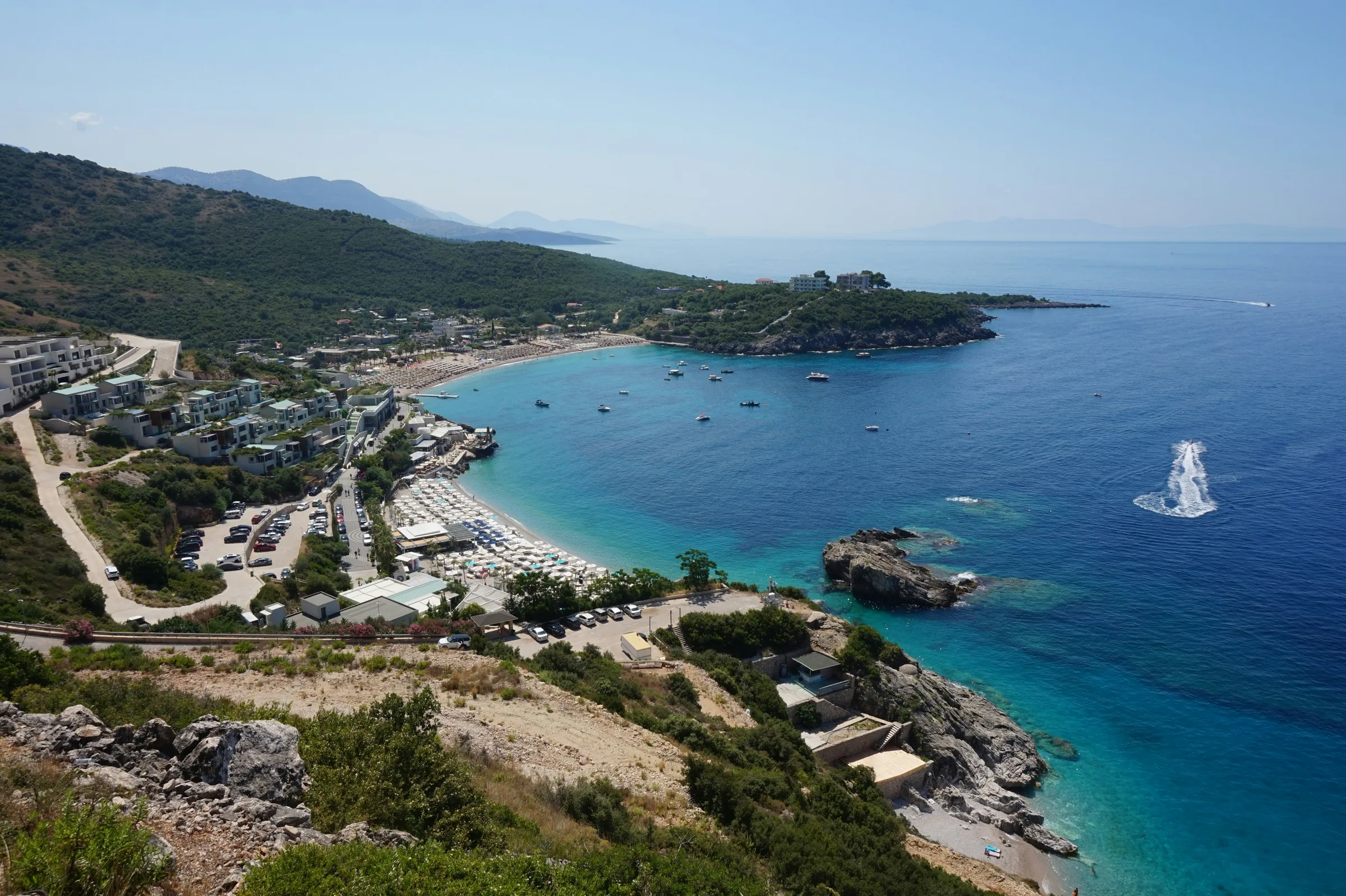
Albania: Adriatic shoreline and Balkan mountain terrain
Albania blends Balkan mountains, Adriatic shoreline, and urban culture into an underrated European destination. Here's what to know before you book.
Oman · Middle East
The Sultanate of Oman combines dramatic mountain landscapes, fascinating deserts, and a hospitable people. A journey there requires careful planning and current security information.
The capital Muscat serves as the base for most visitors. The Sultan Qaboos Grand Mosque stands as the country’s landmark: its main prayer hall holds one of the world’s largest single-piece hand-woven carpets (over 4,000 square meters) beneath a roughly 14-meter Swarovski crystal chandelier. In practice, expect 2,000 daily visitors; early morning (6 am) or after 3 pm offers quieter conditions. The National Museum documents Omani dynasty and culture with substantial collections. The historic forts Al Jalali and Al Mirani have guarded the harbor since the 16th century and provide vantage points overlooking the bay.
For natural experience, the Hajar Mountains are essential. They run through the north of the country, roughly parallel to the Gulf of Oman coast, with dramatic ridges and valleys. The village of Al Fanja to the west of Muscat sits along the range—reachable in about 90 minutes. Trekking in the wadi system (particularly Wadi Ghul and Wadi Nakhr, the canyon below Jebel Shams) requires multiple days; Jebel Shams at 3,009 meters is Oman’s highest peak and can be summited as a day trek (moderate fitness level). Mountain treks of similar difficulty are available in Norway with its alpine routes.
The Wahiba Sands desert spans 13,000 square kilometers. Camel trekking and desert camping are well-established tourism offerings available through agencies in Muscat or Sur. Desert adventures of similar intensity exist in Costa Rica with its dry forests and wilderness experiences. Practically: the drive to the Wahiba edge takes 4 to 5 hours from Muscat. Overnight in a Bedouin tent immerses you in desert culture but costs 50 to 100 dollars per person per night.
Southern Dhofar province with the city of Salalah features the Khareef phenomenon: June through September, monsoon winds bring unusual greenery and waterfall activity to otherwise arid landscapes. This is travel season for Gulf emirate residents, not typical for European visitors, but valuable for botany enthusiasts. Salalah itself is a modern resort destination with contemporary hotels and beaches.
Multiple excursions depart from Muscat:
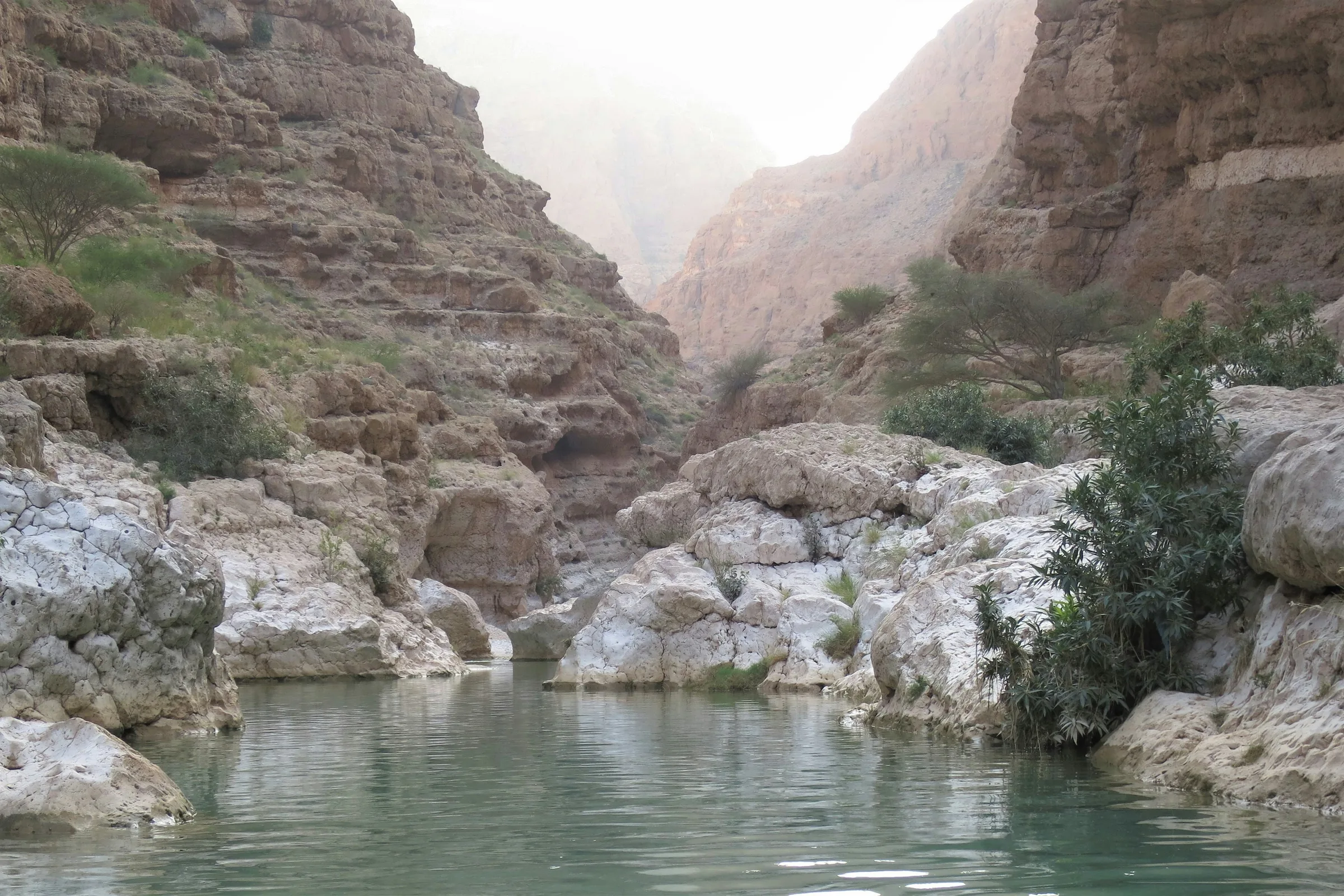
Wadi Shab and Wadi Tiwi—Two neighboring wadis, 90 minutes away. The Wadi Shab entrance leads to a spring cave with natural pool. Bring swimwear and sturdy footwear (surfaces are slippery). Duration: 4 to 5 hours.
Sur and Ras al-Jinz—100 km southeast of Muscat, Sur is a historic port town known for traditional dhow shipbuilding. Turtle nesting beaches at Ras al-Jinz form a protected government turtle reserve (not a UNESCO site), accessible only with ranger-led tours between 8 pm and 10 pm. Advance booking required.
Nakhl Fort—about 120 km southwest of Muscat, a substantial fortification set on a rocky outcrop with expansive views over the surrounding palm oasis. Limited dwell time, but photography value substantial. Note: Weekend crowding is considerable.
Musandam Peninsula—The northernmost region with khor fjords is reachable only by boat or lengthy drive through the UAE. One-day fjord tours cost 40 to 80 dollars. Bookable in Muscat or Khasab.
The village of Birkat al Mouz in the Hajar Mountains sees few visitors—traditional houses, date palm gardens, small guesthouses run by locals. Not an Instagram hotspot, rather quiet fieldwork in Omani mountain culture. 2 to 2.5 hours from Muscat.
Wadi Bani Khalid is more popular than Wadi Shab yet remains natural and less commercialized than mainstream tours. Turquoise water, date palm shade, swimming possible. Similar underwater landscapes can be found diving and snorkeling in Bali. 60 km southeast of Muscat with easy access.
Bait Muzna Gallery in Old Muscat showcases contemporary Omani art and functions as a meeting place for artists and intellectuals—more cultural hub than museum. Opening hours are irregular; call ahead before visiting.
Jebel Akhdar is a green mountain (2,000+ meters) with settlements and rose plantations. Road conditions are rough (gravel tracks), but the high-altitude botany is remarkable. Guided local tours recommended.
The Omani travel window is clear: October through April. During these months, daytime temperatures range from 25 to 35 degrees Celsius, humidity is moderate, and rainfall minimal. Desert nights drop to 10 to 15 degrees—warm layers necessary.
| January | February | March | April | May | June | July | August | September | October | November | December |
|---|---|---|---|---|---|---|---|---|---|---|---|
| Peak | Peak | Peak | Low | Low | Low | Low | Low | Low | Sweet Spot | Peak | Peak |
28° 13° | 30° 14° | 35° 18° | 39° 24° | 42° 30° | 40° 28° | 40° 28° | 39° 27° | 38° 26° | 36° 22° | 32° 17° | 29° 14° |
The months May through September are essentially unworkable for land-based travel: temperatures regularly exceed 40 degrees Celsius, coastal humidity reaches 90 percent. Activities compress into early morning and late evening light.
One exception: Salalah between June and September experiences the Khareef monsoon and stays below 30 degrees Celsius—but flights are expensive, hotels fully booked (Gulf tourists escaping summer heat).
Peak price period runs December through January (Christmas tourism, European winter escapes). Better rates occur in October and April with fully adequate weather.
Oman is a conservative Muslim nation, distinct from the globalized image of Gulf emirates. The Omani cultural code:
Women should cover shoulders and knees; in public, T-shirts and shorts are culturally inappropriate. Hotels and tourist areas are more liberal, but village visits require conservative dress.
Alcohol is served only in licensed hotels and restaurants; there are no bars outside these venues, and it is not sold in ordinary shops. Public drinking and drunkenness carry penalties.
Islamic prayer is central to daily life—some shops close for 15 minutes at prayer times. Mosques are accessible to visitors, but non-Muslims are excluded from prayer; remove shoes before entering.
Photography: Taking pictures of people without permission is impolite and carries potential legal consequences. Avoid photographing women, children, or military personnel.
Tipping protocol is subtle: 10 to 15 percent expected in upscale restaurants, optional in small shops. Service is often included in the bill—verify before leaving a gratuity.
Homosexuality prohibition—Same-sex conduct is criminal, carrying up to 3 years imprisonment. LGBTQ travelers should take this seriously.
Piracy and sea routes—The Arabian Sea has experienced pirate activity from Houthi groups in recent years. Boat excursions along the coast should only be booked through established tour operators. Private vessels are not recommended.
Political commentary—VPN use is monitored in Oman and can have legal consequences. Criticism of the sultanate or the ruling family should be avoided.
Drugs—Drug prohibition is absolute and draconian. Cannabis is illegal. Violations result in prison sentences up to 25 years or death penalty for trafficking.
Wadi driving after rain—Wadis can become deadly flash-flood channels after heavy rainfall. This is not theoretical; travelers have perished. Heed local weather warnings.
Coastal tracks at night—The coastal road is sparsely populated. Night driving should be avoided.
Arrival and airport—Muscat International Airport (Seeb) lies 25 km northeast of the city and is more modern than expected. Transfer options: taxi ($15 to $20, no meter, negotiate beforehand), Uber unavailable, rental car desks time-intensive (process takes 30 minutes). Private transfer through hotel costs $25 to $35 and eliminates hassle.
Car rental—Driving in city streets is chaotic, but highways are excellent. Rental rates: $30 to $60 per day (small to mid-size), insurance not always included. Warning vests and triangles are mandatory. Right-hand traffic applies, as in the US.
Public transport—Buses are sparse and unpredictable in schedule. Taxis without meters are inexpensive, but negotiation is time-consuming. Muscat lacks modern public transit like metro systems.
Mountain roads in the Hajar—Some sections are unpaved and tightly curved, but well-maintained. Standard rental car sufficient; SUV unnecessary. Travel times exceed map estimates—2 to 3 hours for 60 km realistic.
Fuel and service—Gas stations frequent, prices substantially below US levels. Maintenance and repairs available, but Western standards not guaranteed.
German citizens require a visa for Oman. Options:
On arrival: Free 14-day tourist visa at the border with these requirements: valid passport (6-month validity), hotel confirmation, return/onward flight ticket. Processing time at immigration: 15 to 30 minutes.
Online in advance: Apply for an e-visa through the Royal Oman Police website. The 10-day tourist visa costs 5 OMR (approx. $13), the 30-day visa 20 OMR (approx. $52). Processing: 1 to 3 days. Recommended for travel-planning certainty.
Visa extension: The 14-day visa can be extended in-country to 30 days; government process is time-consuming (2 to 3 days).
Customs procedures are standard; larger medication quantities should be documented. Drone import is prohibited or severely restricted.
Registration: Police registration is technically recommended but not always required. Hotels often complete it automatically.
Vaccinations: Yellow fever is not required, though recommended for visa issuance in certain countries. Malaria is inactive in Oman; Dengue and Chikungunya minimal. Standard vaccines (diphtheria, tetanus, poliomyelitis) should be current. Hepatitis A/B and typhoid recommended.
Medical care: Muscat has good private clinics (Royal Hospital, Al-Shifa Hospital). Outside the capital, care is basic. Travel insurance is essential.
Water and food: Tap water in major cities and hotels is clean; bottled water standard in desert areas. Street kebab and falafel are widespread and safe if freshly prepared. Meat should be thoroughly cooked.
Security situation: The German Foreign Office (Auswärtiges Amt) advises (as of February 2026) against travel due to elevated regional tensions in the Middle East with military conflict between the US/Israel and Iran. Oman itself is typically unaffected, but exists in a fragile region. Daily news updates before and during travel are necessary. General internal security is high; external security (regional geopolitics) is uncertain.
Natural hazards: Cyclones and flooding are seasonally possible. Summer tropical cyclones (August to November, rare) can flood roads.
Time zone: UTC+4 year-round (no daylight saving). This is +9 hours to US Eastern time in winter and +8 hours in summer. Jet lag is moderate.
Albania blends Balkan mountains, Adriatic shoreline, and urban culture into an underrated European destination. Here's what to know before you book.
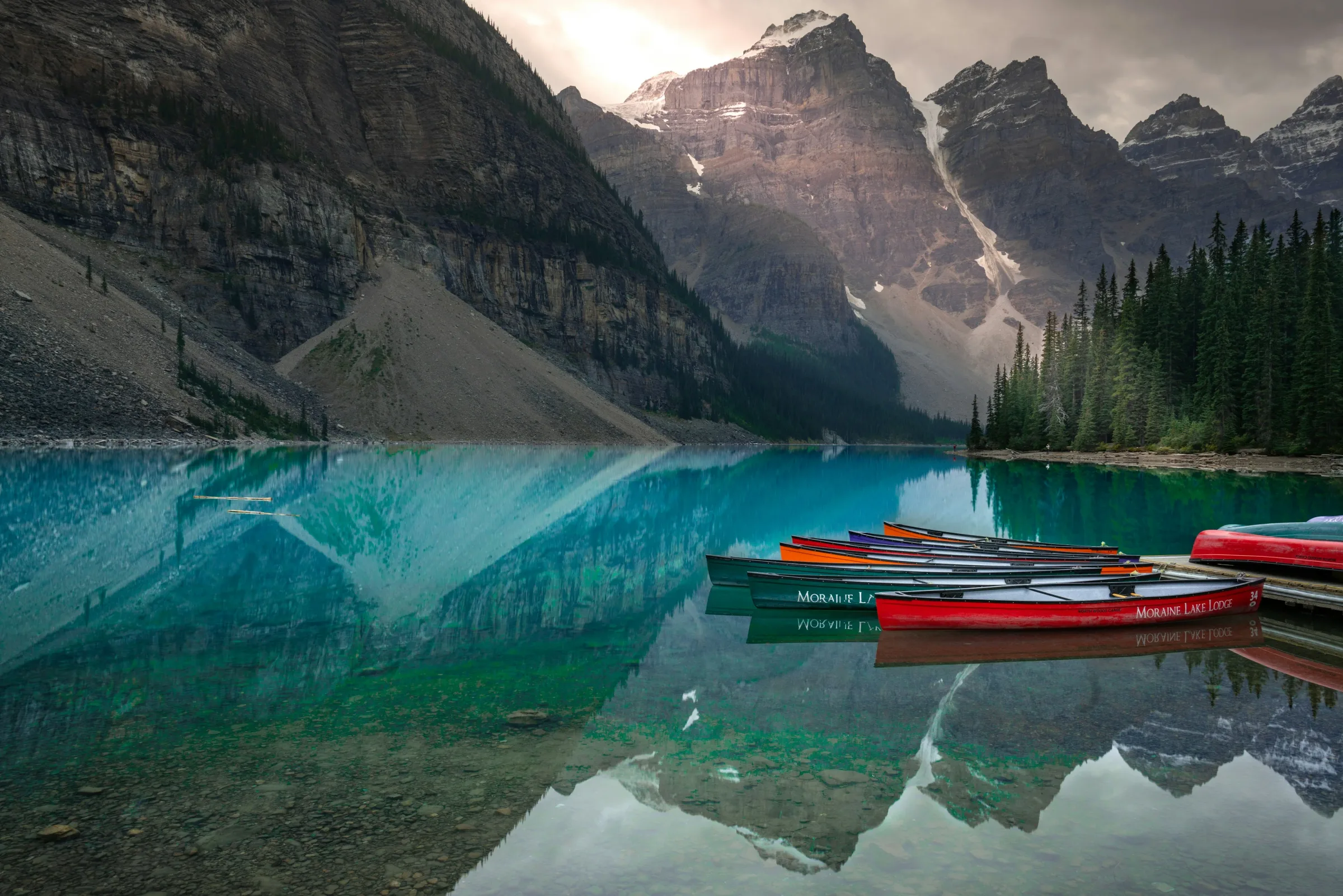
Canada is pure outdoor adventure: national parks, trekking, northern lights, and wilderness instead of city breaks. Summer (June–September) for hiking and lakes; winter (December–March) for skiing and the Aurora Borealis.
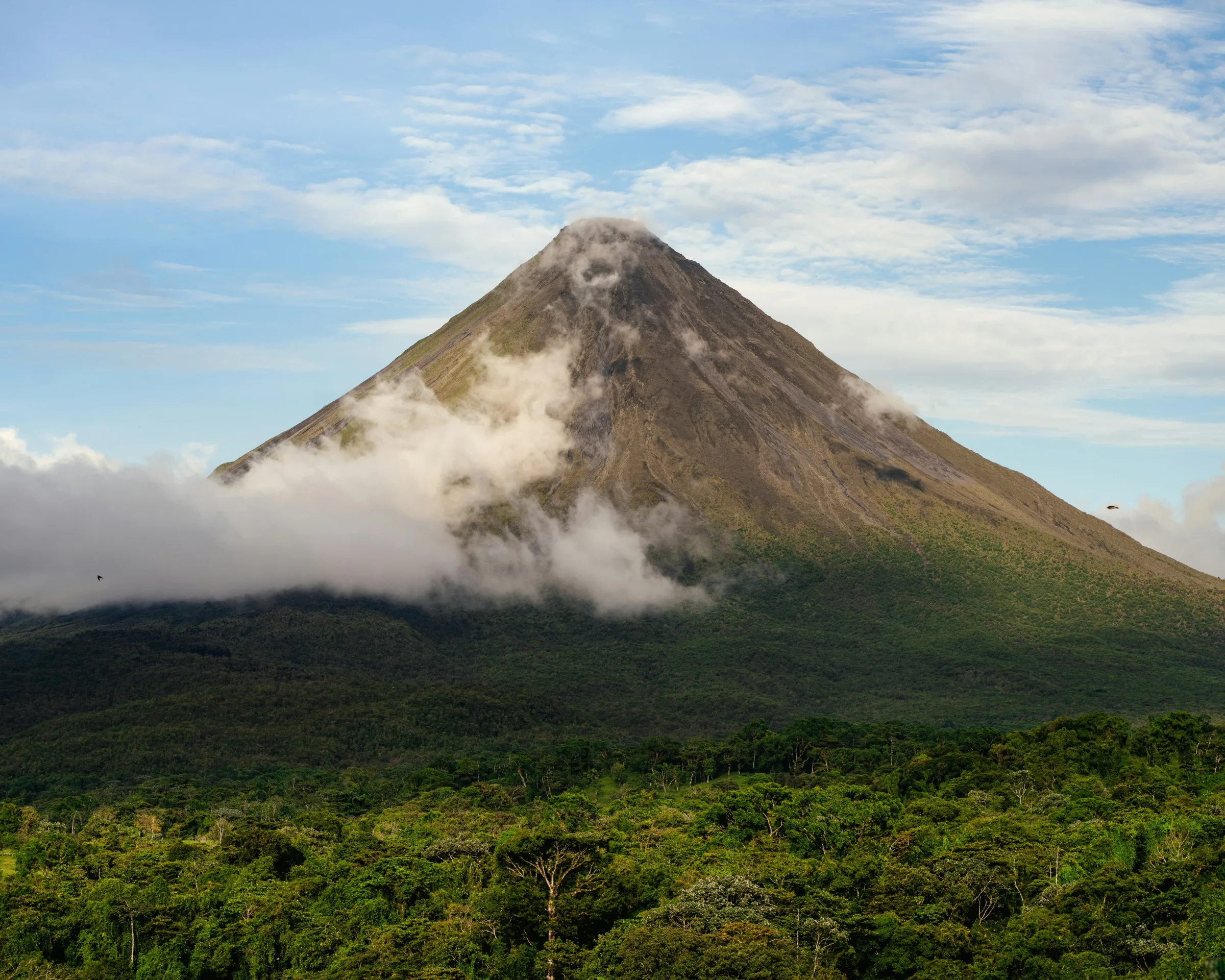
Costa Rica's reputation as an ecotourism pioneer is partly earned—but hotly contested. Know the real trade-offs before you book your trip.
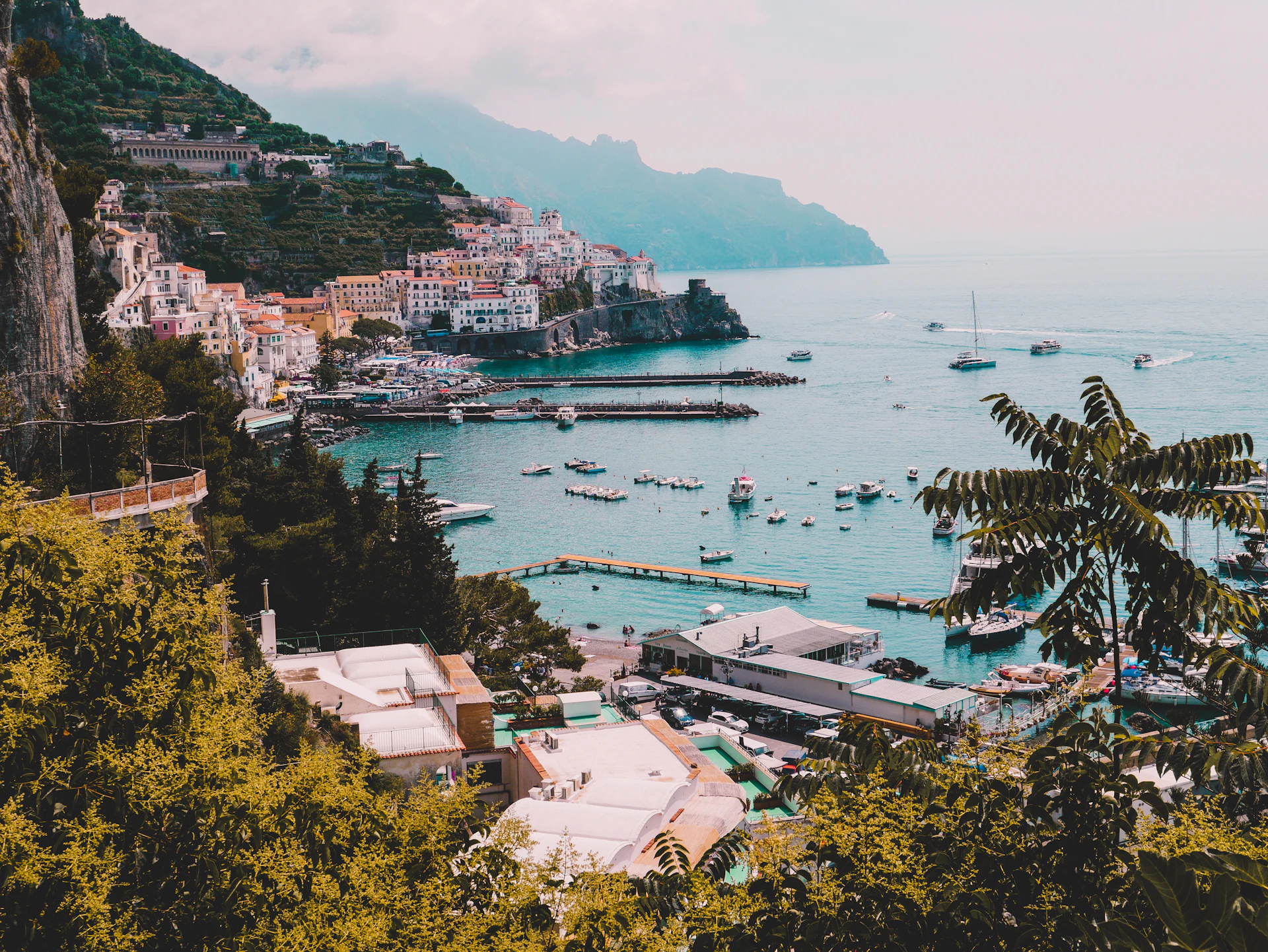
Italy weaves prehistoric limestone cliffs with Renaissance architecture, Roman ruins with Alpine peaks, street food with wine culture. A country overview for travelers seeking authenticity beyond mass tourism.