Portugal layered with European architecture and Atlantic landscape: Moorish streetscapes in the south, Manueline monasteries near Lisbon, Gothic cathedrals in the north, Renaissance palaces in Sintra. Here's what travelers and architecture enthusiasts need to know.
The Most Important Sights
Portuguese architecture reveals itself to the observant eye as a palimpsest: Moorish street patterns beneath Christian churches, Gothic pointed arches alongside Renaissance façades, Pombaline grid layouts after the 1755 earthquake destruction. A national overview must focus on central reference points.
Lisbon is the indispensable starting point. The Mosteiro dos Jerónimos in Belém exemplifies the Manueline period (1501–1519) at its zenith: Gothic structures interwoven with maritime ornaments and Indian elements—an architectural translation of Portuguese expansion. The cloister costs $11 (approx. €10); the church is free. The neighboring Torre de Belém (1515) sits on a Tejo outcrop and holds UNESCO World Heritage status; $6.50 (approx. €6) entry. The Alfama district with its medieval street pattern, the Cathedral (Sé) from 1147, and the Miradouro viewpoints demonstrate urban stratification across centuries. The Museu Nacional do Azulejo ($5.50, approx. €5) traces ceramic culture across 500 years.
Porto in the north deserves equally concentrated attention. Ribeira with its colorful waterfront houses along the Douro River is architecturally heterogeneous but atmospherically dense. The Dom Luís I Bridge (1886), engineered by Théophile Seyrig—a former partner of Gustave Eiffel, who himself built the nearby Maria Pia railway bridge—is an engineering masterpiece. The baroque Igreja dos Clérigos (1735–1748) with its Torre (completed 1763) documents religious differentiation within Portuguese Baroque—one of the highest structures in the nation.
Sintra, 40 kilometers northwest of Lisbon, has been UNESCO World Heritage since 1995. The Palácio Nacional da Pena (€14) is a romantic hybrid combining Gothic, Moorish, and Manueline elements—it documents the retrospective projection of historical styles into modernity. The Palácio Nacional de Sintra displays royal medievalism. The Moorish Castle (Castelo dos Mouros) rises above the cultural landscape. All three require day-trip planning; book tickets online beforehand.
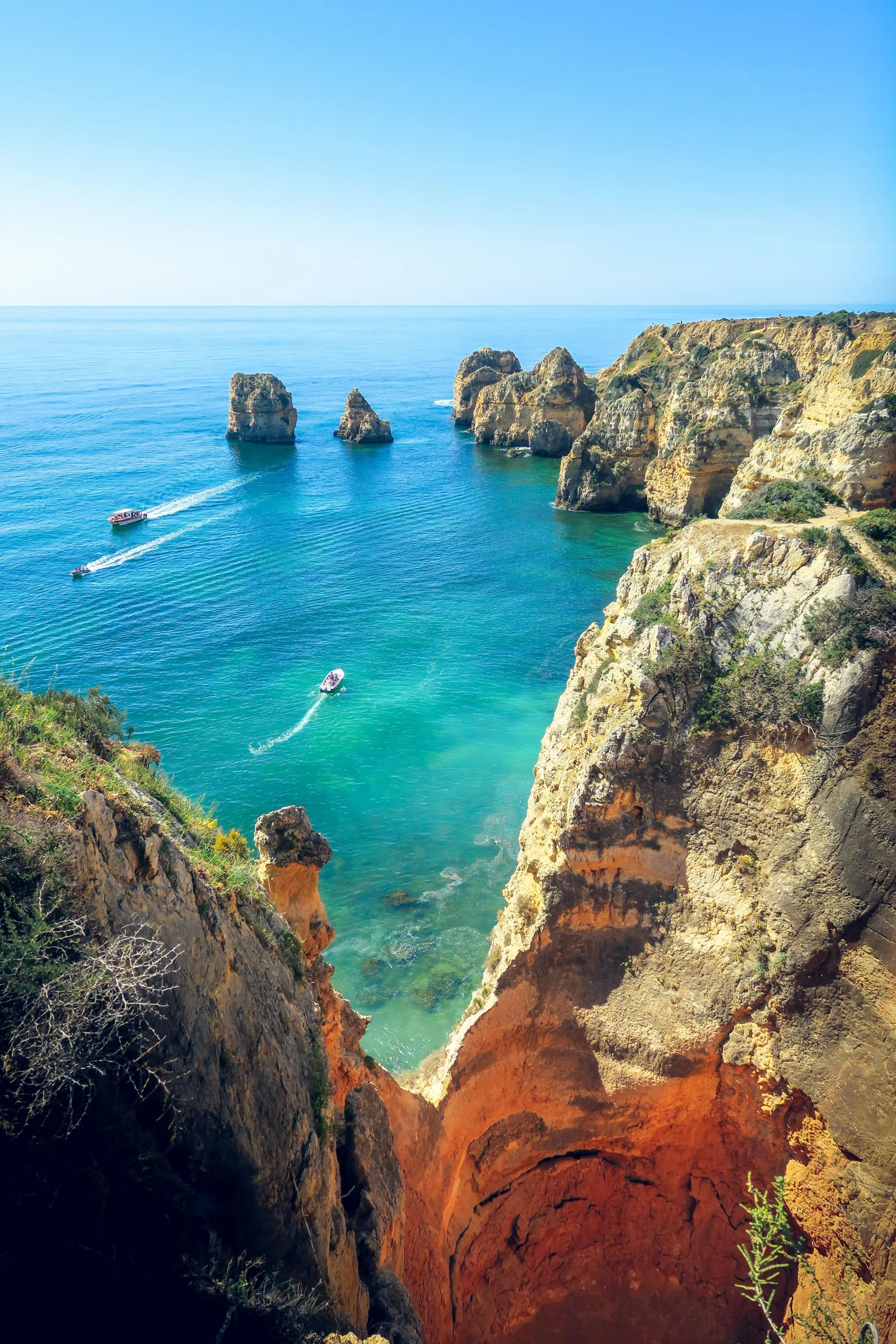
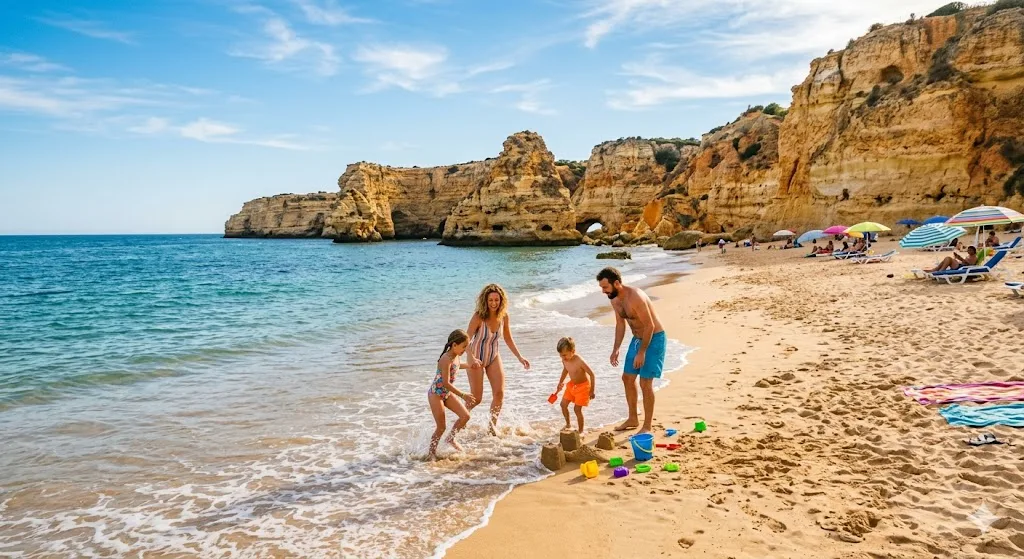
The Algarve represents the southern region. The geologically remarkable Benagil Cave is accessible only by boat, kayak, or swimming. Cabo de São Vicente, Europe’s southwesternmost cape, was long considered the edge of the known world—a geographical point with historical-mythological resonance. The steeply rising cliffs offer less architectural interest but define the region’s landscape character.
Braga in the north is often overlooked by architectural enthusiasts. The baroque Bom Jesus do Monte staircase (1722) merges pilgrimage route and sculptural promenade—a masterpiece of sacred architecture. The city is historically known as “Portugal’s Rome” and contains multiple cathedrals spanning epochs.
Évora in the Alentejo region is a smaller but completely preserved medieval city with Roman remains (Temple of Diana, 1st–2nd century). UNESCO World Heritage since 1986. The city is less crowded than Sintra and offers a more authentic impression of medieval urbanism.
For detailed information on the capital, see our guide to Lisbon. Portuguese cultural-historical depth emerges particularly through city travel with architectural focus.
Tips for Day Trips
From Lisbon: Sintra is 40 minutes by regional train (CP Sintra line, €2.25) from Estação do Rossio. This is a half-day excursion—allow at least four hours for Palácio da Pena and Castelo dos Mouros. Cascais to the west (40 minutes) pairs well, offering harbor views and Boca do Inferno sea cave. The Arrábida Natural Park to the south showcases crystal water and limestone cliffs; reached by rental car or organized tours (from $38).
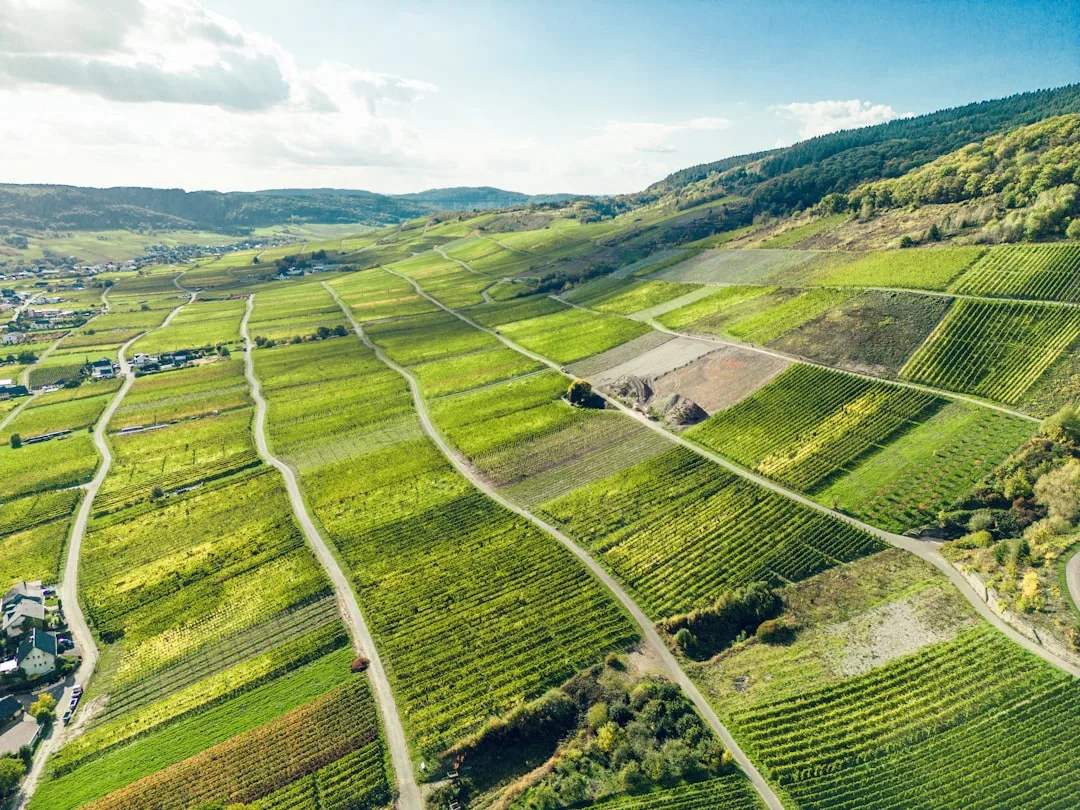
From Porto: The Douro Valley has held UNESCO World Heritage status since 2001 and is renowned for wine culture. Regional trains run alongside the river; day trips are feasible. Vila Nova de Gaia with its Port wine cellars lies directly beside.
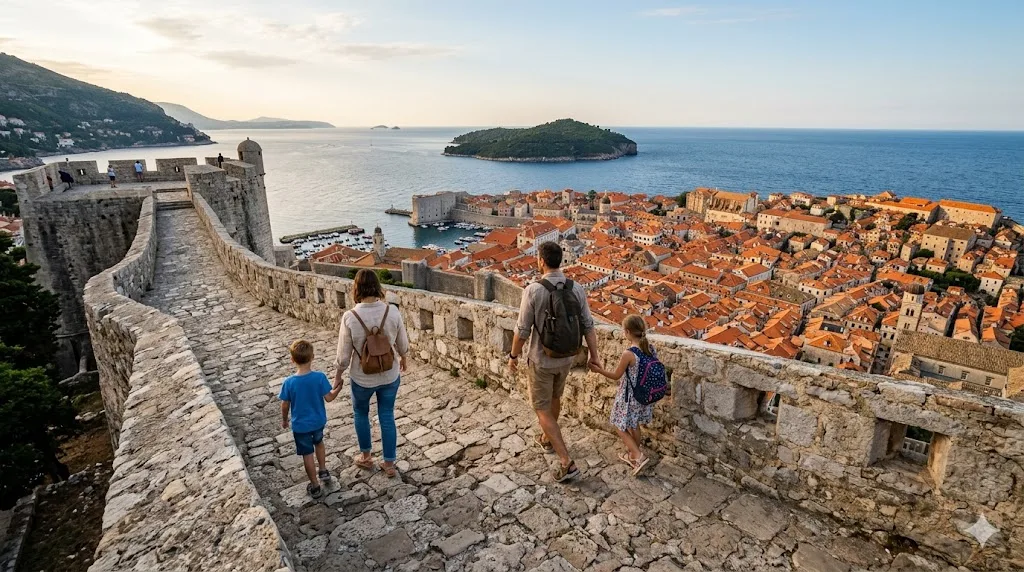
Óbidos (80 kilometers north of Lisbon) is a fully walled medieval town. Reached by bus from Campo Grande in roughly 80 minutes; a half-day visit is realistic.
Secret Tips
The architect-traveler will appreciate the Douro Valley as a landscape palimpsest: terraced viticulture since the 12th century, later industrialized by 19th-century rail infrastructure. This cultural landscape is no “natural” scene but a document of labor and capital history. Train journeys along the Douro reveal these layers.
Azulejo workshops in Lisbon and Porto offer insight into traditional ceramic production. Smaller ceramic manufactures in Alcobaça (renowned for tiles since the 16th century) show production processes virtually unchanged. This experience carries cultural-historical weight and remains accessible beyond mass tourism.
The Braga region beyond tourist routes holds not only Bom Jesus do Monte but also smaller baroque chapels and processional architecture documenting the intersection of urban planning and religious practice.
Covilhã in the Serra da Estrela mountains is a former woolen textile production center with industrial-archaeological remains. The town documents the transformation from factory city to mountain-region destination—a palimpsest of industrialization.
Best Time to Visit
Best time to visit: Mar, Apr, May, Sep, Oct, Nov. Peak season: Jun, Jul, Aug.| Jan | Feb | Mar | Apr | May | Jun | Jul | Aug | Sep | Oct | Nov | Dec |
|---|
| Low | Low | Sweet Spot | Sweet Spot | Sweet Spot | Peak | Peak | Peak | Sweet Spot | Sweet Spot | Sweet Spot | Low |
14° 8° | 15° 9° | 17° 11° | 19° 12° | 22° 14° | 26° 17° | 29° 19° | 29° 20° | 26° 18° | 22° 15° | 17° 11° | 14° 9° |
- Peak Seasonbusy · high prices
- Sweet Spotideal weather · fewer crowds
- Low Seasonquiet · affordable · variable
Portugal’s Atlantic climate creates year-round appeal, though each season offers distinct experiences. March through June brings moderate temperatures (11–22°C / 52–72°F) with moderate rainfall primarily in March and April. Landscapes are verdant; gardens (particularly Sintra’s) reach full bloom. High season (June–August) brings 19–29°C (66–84°F), minimal rain, and peak tourist crowds—hotels command premium prices; major attractions become congested. September through November offers 11–22°C (52–72°F), transition to autumn rains by November, and significantly fewer visitors. For cultural-historical engagement, this is the optimal window.
Winter (December–February) with 8–15°C (46–59°F) and frequent rain is practicable for culture-focused travelers—museums maintain full hours, prices drop considerably, quiet prevails. Southern Portugal retains usable sun. Forest fires are not a concern, though occasional storms occur. Information on global travel trends 2026 may help inform travel planning.
Cultural Particulars
Azulejos (tiles) transcend mere decoration—they constitute a cultural-historical continuum. Blue-and-white geometric patterns stem from Moorish architecture (13th–16th centuries), were rationalized in the Baroque, and were revitalized as national identity in the 20th century. Building façades in Lisbon and Porto are entirely tile-clad—a phenomenon of unique density worldwide. The Museu Nacional do Azulejo documents this trajectory. Illegal removal of tiles from buildings carries penalties and has prompted police intervention.
Fado is UNESCO Cultural Heritage (since 2011) and a melancholic song tradition with Oriental roots. Lyrics address loss, longing, and the sea. Authentic fado performances occur in tascas (small taverns) in Alfama, not in tourist-marketed shows in Baixa—the latter lack artistic integrity. Entry typically requires minimum food/drink purchase ($22–38, approx. €20–35).
Manueline architecture (1495–1520) is a Portuguese late-Gothic variant, named after King Manuel I. It fuses Gothic structure with ornamental elements reflecting Portuguese expansion toward India: ropes, crosses, exotic fruits as stonework. The Mosteiro dos Jerónimos exemplifies this epoch, which documents transformations through global trade networks.
Port wine is a fortified wine from the Douro Valley with origins in the 17th century. Production and aging follow strict regulations. Visits to Port cellars (Vila Nova de Gaia, Porto) reveal warehouse architecture and production history. Tastings cost $5.50–16.50 (approx. €5–15).
Almoço (lunch, typically 12–14 hrs) is the primary daily meal for locals. The Prato do dia (daily plate) in small tascas offers menu, bread, beverage, and dessert for $8.80–13.20 (approx. €8–12)—a culinary-economic institution. Dinner begins no earlier than 20:00 in local establishments.
Avoid These
Calling Portuguese food “Spanish food” is culturally dismissive. Portugal and Spain are distinct nations with different culinary traditions and histories. Conflating them generates disapproval.
Speaking Spanish when English is available. While many Portuguese understand Spanish, it evokes historical tensions. When uncertain: use English or basic Portuguese phrases.
Traveling on Lisbon’s Tram 28 with unsecured valuables. The line is notorious for pickpocketing; wear backpacks in front, secure bags firmly.
Visiting Sintra (Palácio da Pena) without advance booking. Capacity is limited; spontaneous visits are unrealistic in summer.
Buying Pastéis de Nata from any bakery and equating them with originals from Belém. Recipe and quality vary considerably.
Transport
Airports: Lisbon (Humberto Delgado, LIS) is the primary hub, 7 kilometers northeast of center. Flight time from Frankfurt/Munich roughly 2–3 hours. Metro (Blue, Red lines to Baixa-Chiado) costs $1.87 (approx. €1.70) per ride or $7.57 (approx. €6.90) daily pass. Porto Airport (OPO) is similarly central; Aerobus service available. Faro serves the Algarve.
Public Transit: Lisbon’s Metro has four lines (Azul, Amarela, Verde, Vermelha), 56 stations, operating 6:30 a.m.–1:00 a.m. Trams are historic (15E to Belém, 28E Alfama circuit) and touristically charming but crowded. Bus network (Carris) covers the city. Regional railways (CP—Comboios de Portugal) link Lisbon with Sintra, Cascais, and Porto with the Douro Valley. Single tickets $1.87 (approx. €1.70), day passes $7.57 (approx. €6.90).
Uber and Bolt: Both services operate in Lisbon and Porto, cheaper than traditional taxis ($11–16 to airport from center). Taxis are fairly priced; meters mandatory.
Car Rental: For day trips beyond Metro reach (Douro Valley, Alentejo, Algarve limestone cliffs), a rental car is practical. Portugal’s road network is well-developed; some highways are tolled (payable online or via number registration).
Entry & Bureaucracy
German and Austrian citizens require no visa for Portugal—the nation is an EU and Schengen member. A valid ID card or passport suffices. No proof of return flight or financial means is expected.
The EHIC insurance card (European Health Insurance Card) covers emergency medical treatment in public healthcare. In medical emergencies, present it. Private repatriation insurance is nonetheless recommended.
Customs: No tariffs within the EU internal market. Up to 800 cigarettes and 10 liters of spirits enter duty-free (EU regulation). Further information appears on the German Foreign Office’s Portugal page.
Digital nomads and extended stays benefit from special visa programs; details available from the Portuguese embassy.
Health & Safety
Vaccinations: No specific mandatory vaccinations for Portugal. Tetanus and diphtheria should be current. Hepatitis A vaccination is recommended. Madeira sees dengue fever, transmitted by mosquitoes—insect protection advisable there.
Medical Care: Public hospitals in major cities (Hospital de São José in Lisbon, Hospital Santo António in Porto) accept EHIC for emergencies. English-speaking doctors are present, though not guaranteed. Pharmacies (Farmácias, green cross symbol) are ubiquitous and well-stocked.
Tap Water: Drinkable nationwide—EU standards met. Slight chlorine taste may occur in Lisbon and Porto (harmless). Northern water is softer and more palatable.
Sun Protection: Lisbon sits at the latitude of Washington, D.C. (roughly 39°N) but experiences more intense UV radiation. SPF protection from UV index 5 onward (April onwards) is mandatory—frequently underestimated by Northern Europeans.
Natural Hazards: Summer forest fires occur in central and northern regions. Local authorities issue warnings; emergency number is 112. Portugal sits in a seismically active zone, particularly Madeira and the Azores—earthquakes are rare but possible.