€Albania
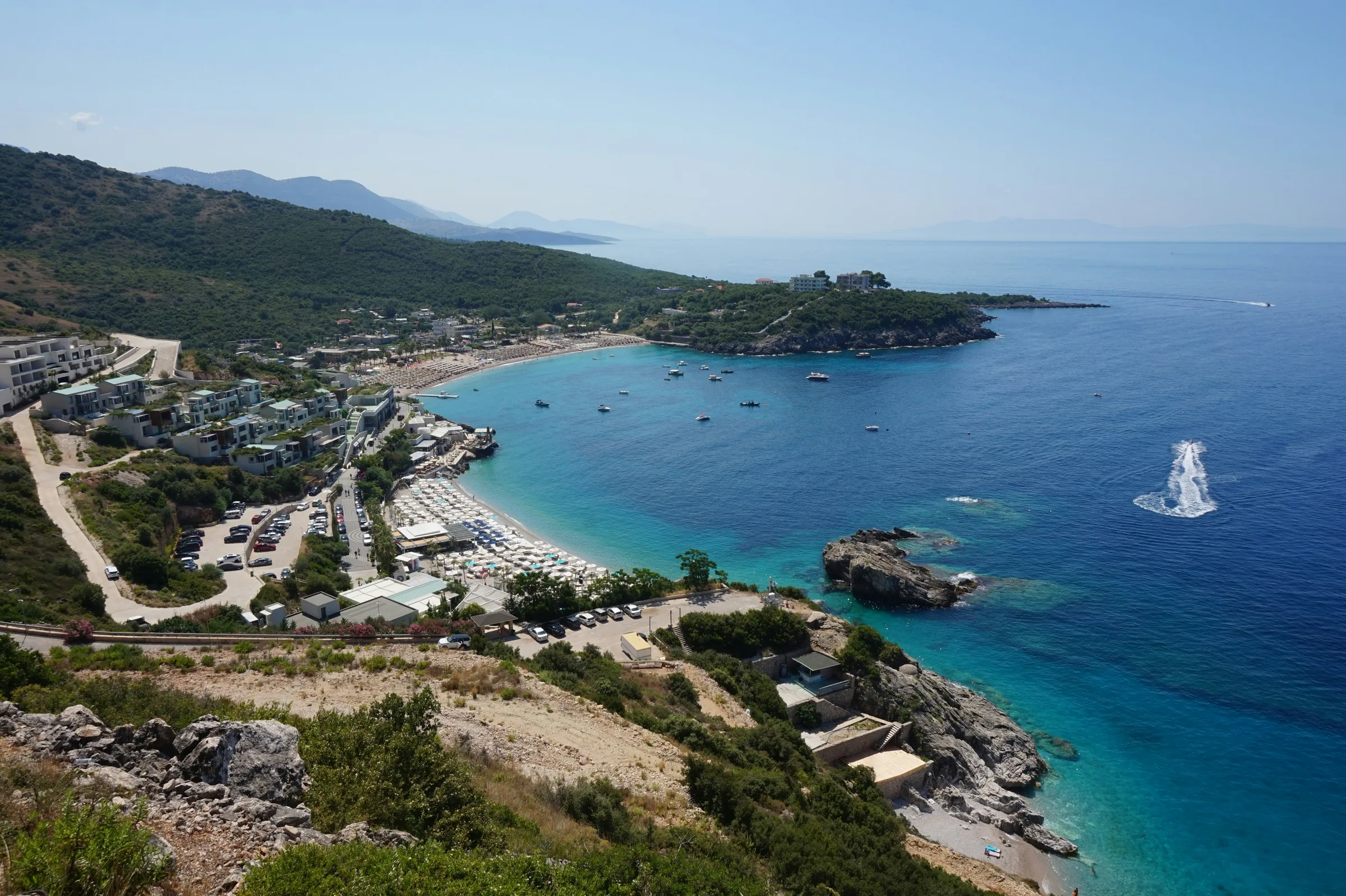
Albania: Adriatic shoreline and Balkan mountain terrain
Albania blends Balkan mountains, Adriatic shoreline, and urban culture into an underrated European destination. Here's what to know before you book.
South Africa · Southern Africa
South Africa pairs Table Mountain, Big Five safaris in Kruger and world-class winelands—striking scenery balanced against real safety risks to plan for.
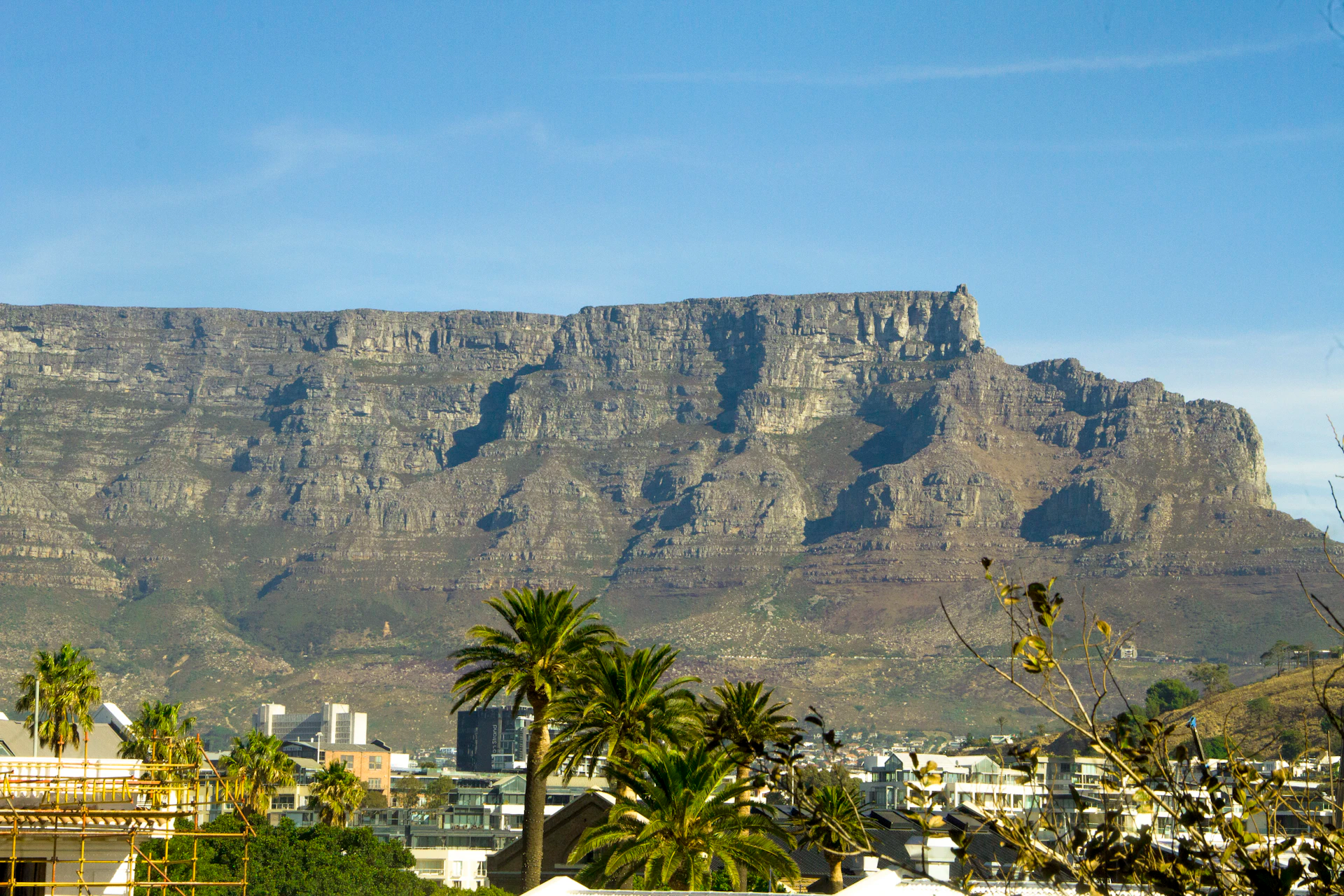
Table Mountain is Cape Town’s iconic landmark, drawing millions of visitors annually—one of Africa’s most visited natural attractions. The rotating cable car reaches the 1,086-meter summit in five minutes, offering 360-degree views of the city and surrounding coastline. The mountain is one of the New Seven Wonders of Nature. Hiking to the summit is possible (2–3 hours depending on fitness) but the cable car is more efficient.
Kruger National Park spans 20,000 square kilometers and is South Africa’s largest game reserve and one of the world’s premier wildlife destinations. Home to the legendary Big Five—lion, rhinoceros, leopard, elephant, buffalo—plus 147 other mammal species, over 500 bird species, and hundreds of reptiles. May through September (dry season) offers the best wildlife viewing when animals concentrate at waterholes. Multi-day lodge safaris are expensive, but self-catering camping and self-drive options are more budget-friendly.
Cape of Good Hope lies 40 kilometers south of Cape Town within an 800-hectare nature reserve featuring dramatic cliffs and seabirds. Historically significant as a maritime landmark but today primarily a photo opportunity. Coastal cliff walks follow the shoreline above the ocean.
Kirstenbosch Botanical Garden ranks among the world’s seven most beautiful botanical gardens and sits on the eastern slopes of Table Mountain. The garden features over 9,000 plant species and wildflower displays (especially September–November). Summer picnics and outdoor concerts are routine attractions.
Blyde River Canyon in Mpumalanga is among the world’s largest canyons. The Panorama Route links several viewpoints, notably the Three Rondavels (three distinctive round-topped hills) and God’s Window (vistas stretching 40 kilometers to the Mozambique lowlands). Day trips from Johannesburg are feasible; the scenic drive justifies the journey—comparable to dramatic mountain scenery in Norway.
Winelands — Stellenbosch, Paarl, and Franschhoek sit roughly 60 kilometers north of Cape Town and form South Africa’s premier wine region with over 100 estates. Wine tastings, gourmet restaurants, and boutique accommodations are standard. A rental car or guided tour is necessary (no drinking and driving). Expect $25–$50 per estate entry with tastings included.
Hermanus — The self-proclaimed whale-watching capital lies 120 kilometers east of Cape Town. Southern right whales congregate in Walker Bay between June and November, visible from shore without boats. Best viewing is July–September. An overnight stay beats same-day trips.
Garden Route — Stretching through Mossel Bay, Wilderness, Knysna, and Plettenberg Bay, this scenic coastal drive features private game reserves offering Big Five safaris on a smaller scale than Kruger. Four to five hours from Cape Town.
Cape Agulhas — Africa’s southernmost point (34°49’43”S, 20°00’11”E) sits 260 kilometers southeast of Cape Town. Geographically significant but touristically sparse—a lighthouse and viewpoints, little else. Often combined with Hermanus or the Winelands as part of a loop.
Montagu — This small artist village on Route 62 in the Little Karoo is usually passed through rather than explored, but deserves a stop. Mountain scenery, mountain biking trails, relaxed small-town atmosphere, and local galleries. Two-and-a-half hours from Cape Town yet far from mass tourism.
Kalk Bay — A fishing village on False Bay just 40 minutes south of Cape Town with authentic character. Fishing boats line the beach, seals swim past, and seasonally (June–September) orcas can be spotted on kayak outings. Fresh fish markets and local cafés feel genuinely local, not tourist-oriented—similar to marine experiences on Bali with its reefs and diving sites.
Sutherland — Located in the Karoo desert, Sutherland is renowned for exceptionally clear night skies. Dry air, elevation, and minimal light pollution make it an astronomy hotspot. Star observatories and dark-sky camps offer unpolluted nights, though the journey is long (300+ kilometers).
St. Lucia — A wetland reserve on the east coast hosts Africa’s highest concentration of hippos and crocodiles. Boat safaris and wetland trails are less crowded than Kruger. Proximity to Durban and beach resorts makes it accessible.
South Africa’s seasons vary by region. Cape region: Summer (December–February) is warm and dry but crowded and expensive; winter (June–August) is rainy and cool but greener. Kruger Park: May–September is dry season with optimal wildlife viewing; daytime temperatures are pleasant, nights cool. Overall: March–May and September–November offer mild temperatures, low rainfall, fewer tourists, and better prices.
| January | February | March | April | May | June | July | August | September | October | November | December |
|---|---|---|---|---|---|---|---|---|---|---|---|
| Low | Low | Sweet Spot | Sweet Spot | Sweet Spot | Low | Low | Low | Sweet Spot | Peak | Peak | Peak |
26° 16° | 26° 16° | 24° 14° | 21° 11° | 18° 8° | 15° 6° | 15° 6° | 17° 8° | 20° 10° | 23° 12° | 25° 14° | 27° 16° |
December–January is peak season with European school holidays and highest rates. March–May and September–November are sweet spots with autumn wildflowers (September) and pleasant weather.
South Africa is a nation of 11 official languages—Zulu, Xhosa, Afrikaans, and English are dominant. Greetings vary: Western handshakes are standard in cities; traditional South African communities may use a triple handshake (clasp → interlock thumbs → clasp again). Direct eye contact is less emphasized in African communities than in Western Europe; averting eyes can signal respect rather than evasion.
Tipping is expected: 10–15 percent in restaurants, 5–10 percent for taxi drivers or hotel staff. Many South Africans rely on tips for survival. Tipping in bars and clubs is less formalized.
Photography: Always ask permission first, especially when photographing people. Military installations should not be photographed. Dress code is informal—you can dress as you would in Germany; shorts and T-shirts are normal.
Taboos: Avoid discussions of racism, apartheid, or South African politics—topics are sensitive and emotionally charged. Homosexuality is legal but socially taboo in many communities. Public displays of affection between same-sex partners may be negatively received.
South Africa has one of the world’s highest crime rates—significantly higher than destinations like Costa Rica. The German Foreign Office explicitly warns:
Avoid CBDs — Johannesburg, Durban, Port Elizabeth, and Pretoria CBDs are unsafe even during the day. Assaults and robberies are documented. Safer areas: Camps Bay, Constantia, V&A Waterfront in Cape Town; Sandton and Rosebank in Johannesburg.
No night driving — Carjackings, robberies at gas stations, and attacks on remote roads occur regularly. Driving after dusk is life-threatening. Keep windows closed and doors locked—always.
Avoid solo travel (especially women) — Documented cases involve women being drugged via dating apps, ride-sharing services (Uber), or nighttime tours and subsequently assaulted. Travel in groups for safety.
Keep valuables hidden — Phones, cameras, jewelry, and watches should not be visible. Snatching theft is common. Use ATMs only in busy, well-lit locations like malls or banks; card fraud is prevalent.
No unauthorized township tours — Township visits are safe only with authorized guides. Independent exploration is dangerous.
Flights — Johannesburg’s O.R. Tambo is Africa’s largest hub. The Gautrain connects the airport directly to Sandton (business district) and Pretoria in 15 minutes. A metered taxi costs $15–$25 (use only organized services). Cape Town also has an international airport; the MyCiti bus runs to the city center (Hertzog Boulevard), operating 5 a.m.–10 p.m.
Car Rental — Left-side driving (as in the UK). Highway driving is relatively safe; city traffic in Johannesburg is chaotic. Insurance often isn’t included—clarify before booking. Expect $35–$80 per day for economy to mid-range vehicles. International driving permit plus valid license required. Fuel stations are frequent and cheaper than Europe.
Public Transit — City buses are sparse and unreliable. MyCiti in Cape Town is the exception. Minibus-taxis are a safety risk and not recommended. Johannesburg lacks a modern metro system.
Uber — In Cape Town and Johannesburg, Uber is the safest and cheapest option for city travel. Expect $5–$15 for 10 kilometers. Not available in all regions.
Trains — Gautrain in Johannesburg is fast and secure. Long-distance trains (e.g., Shosholoza Meyl) are slow and sometimes unsafe; not recommended for tourists.
Safari Transport — Kruger and private reserves arrange game drives (guided safaris). Self-drive is possible with a rental; guides are helpful but optional.
Germans are visa-free for 90 days of tourism. Passport requirements: valid for at least 30 days beyond departure with two blank pages. Electronic Travel Authorisation (ETA) launched as a pilot in October 2025; rolling out nationwide in 2026. Check status at www.home-affairs.gov.za before travel.
Yellow fever: Not required if arriving directly from Germany. Required if arriving from a yellow fever endemic country or transiting for more than 12 hours. Proof of vaccination (International Certificate of Vaccination or Prophylaxis) is demanded.
Warning: Overstay — Staying beyond 90 days, even by a few days, results in declaration as an “undesirable person” and automatic entry ban for 1–5 years. This is serious; thousands of travelers are affected.
Customs: Standard regulations apply. Large quantities of medication should be documented. Drones are banned or severely restricted.
Vaccinations:
Tap water — Safe in Cape Town, Johannesburg, and modern hotels; can be drunk without concern. In rural areas and during safaris: use bottled water.
Medical care — Private clinics in Cape Town and Johannesburg are well-equipped; public hospitals are overcrowded. Treatment requires upfront payment (credit cards accepted). Travel insurance with evacuation coverage is essential—South Africa has good doctors, but the healthcare system is private and expensive.
Crime and security — The German Foreign Office currently warns of high crime (May 2026). Specific risks:
Natural hazards — Wildlife in Kruger and national parks is dangerous; game drives always with trained guides. Sharks along the coast are documented but beaches are generally safe. Waves and currents can be treacherous.
Time zone — UTC+2 year-round (no daylight saving). This is +1 hour to Munich in winter and +0 hours in summer. Jet lag is minimal.
Albania blends Balkan mountains, Adriatic shoreline, and urban culture into an underrated European destination. Here's what to know before you book.
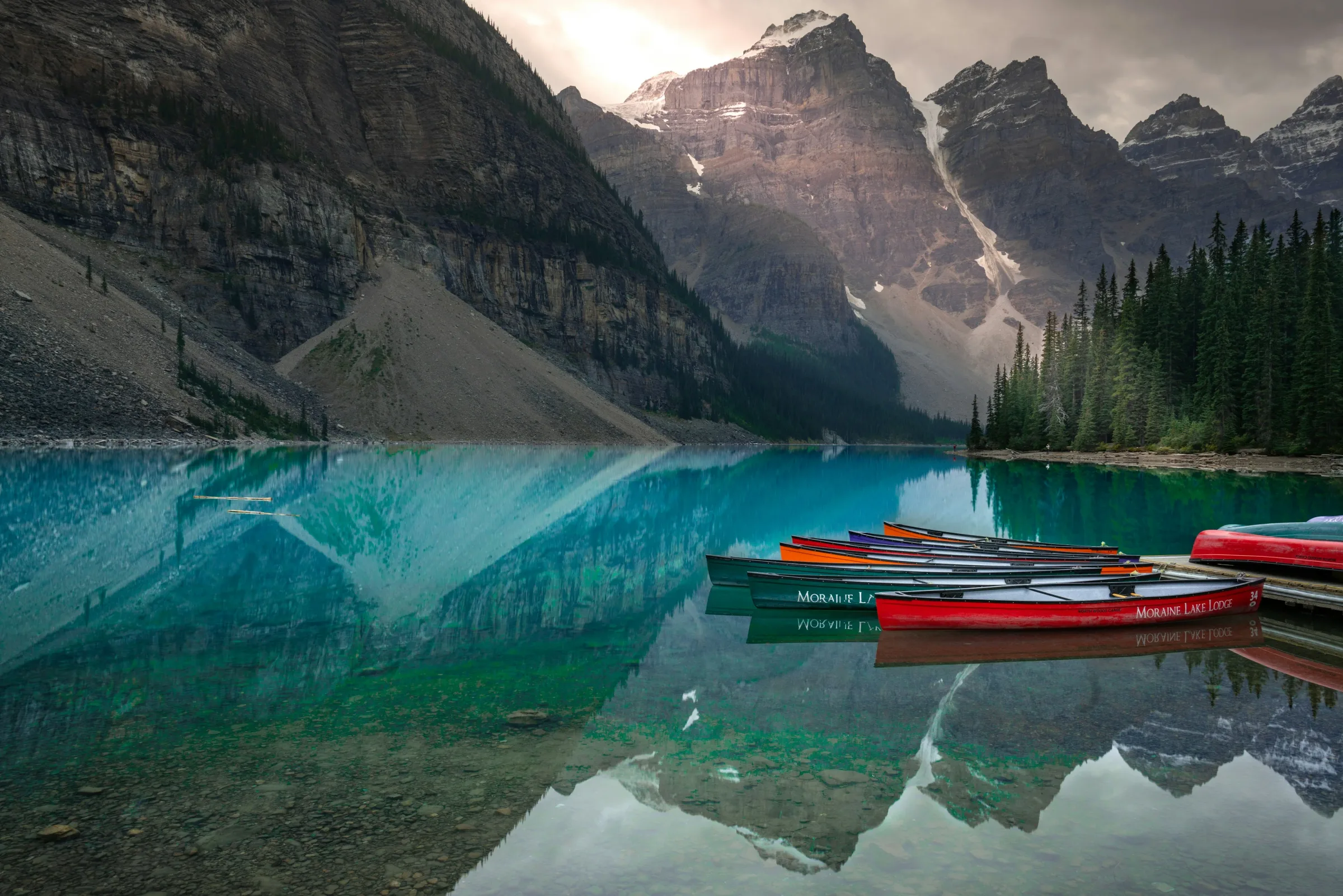
Canada is pure outdoor adventure: national parks, trekking, northern lights, and wilderness instead of city breaks. Summer (June–September) for hiking and lakes; winter (December–March) for skiing and the Aurora Borealis.
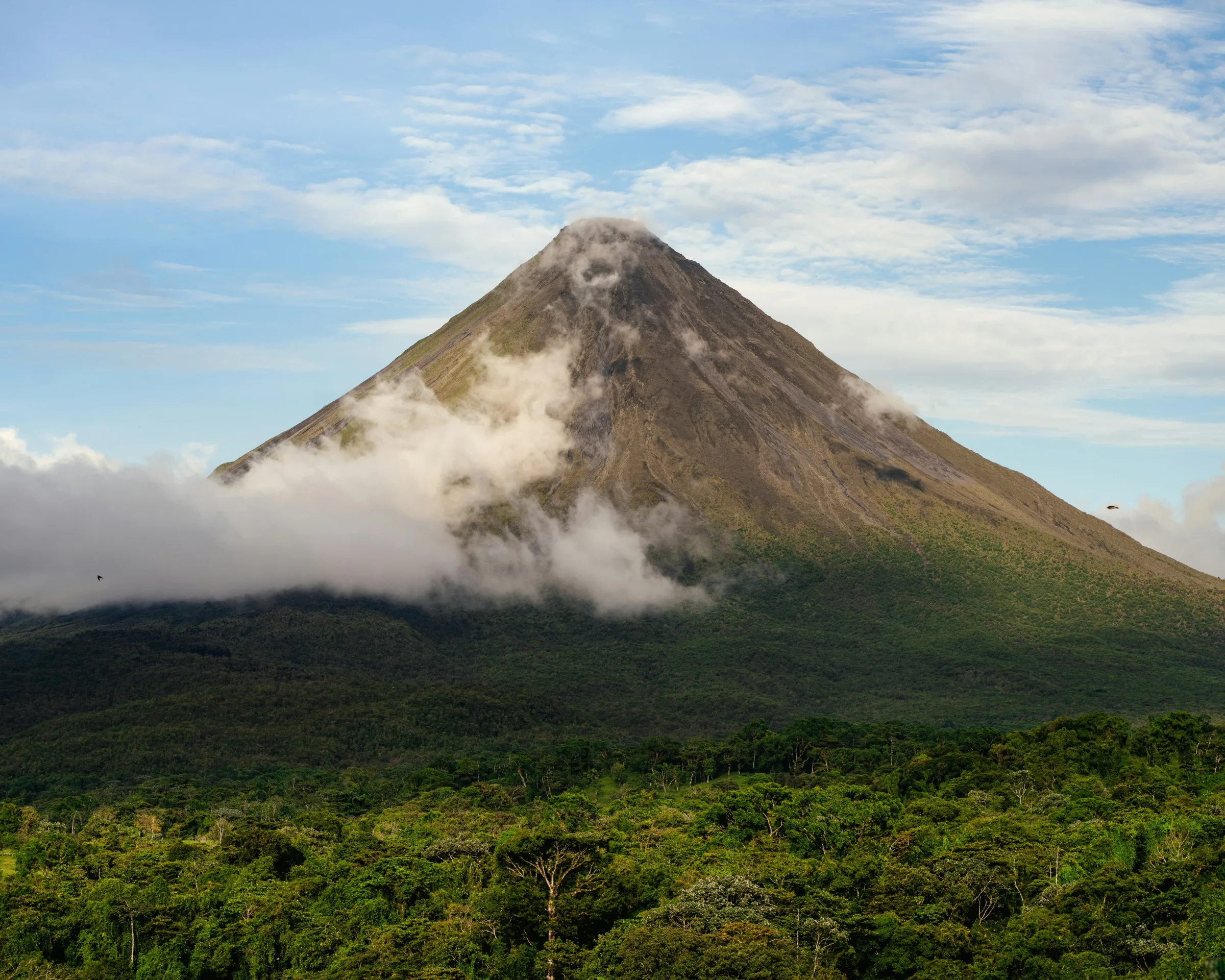
Costa Rica's reputation as an ecotourism pioneer is partly earned—but hotly contested. Know the real trade-offs before you book your trip.
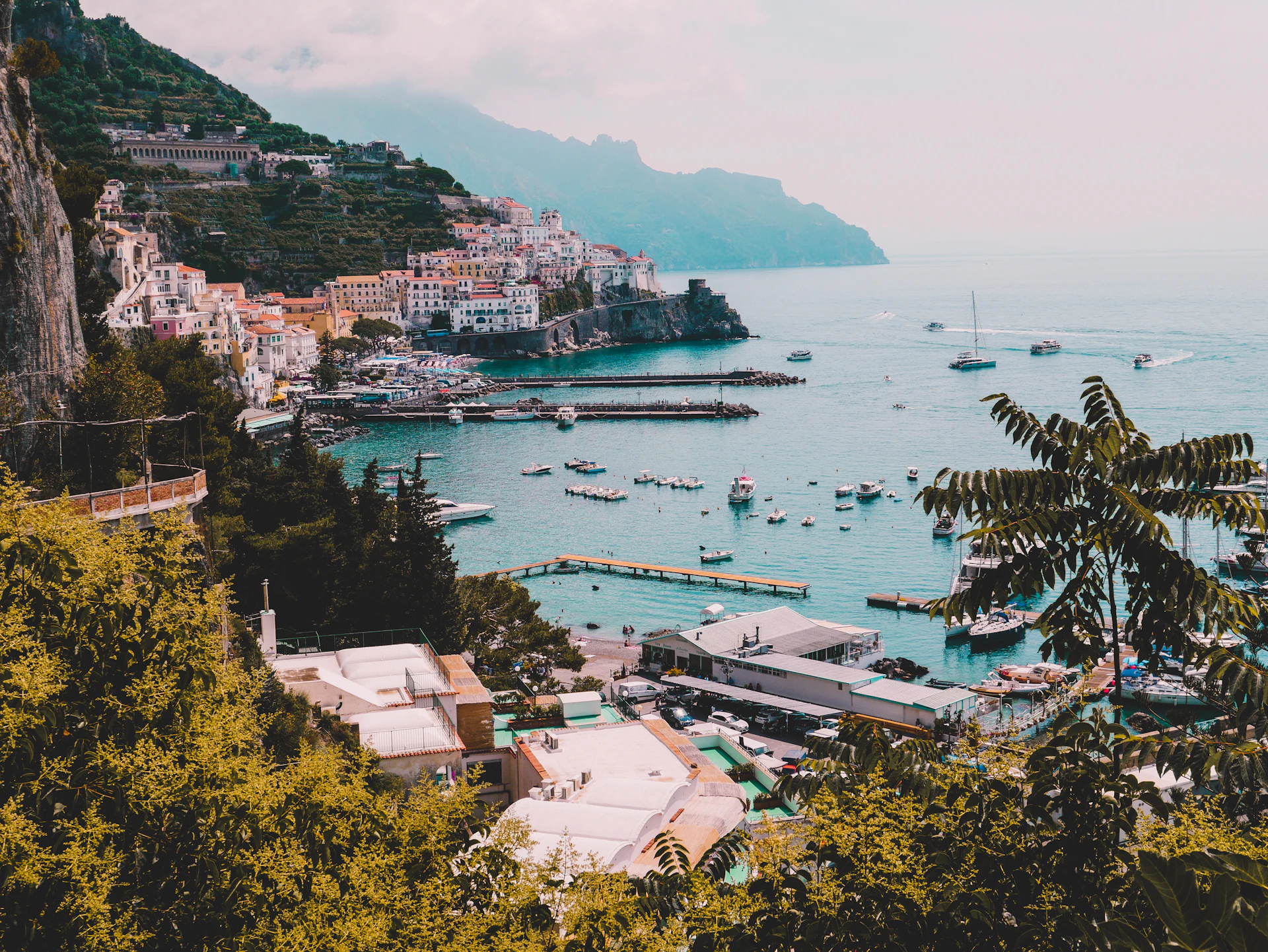
Italy weaves prehistoric limestone cliffs with Renaissance architecture, Roman ruins with Alpine peaks, street food with wine culture. A country overview for travelers seeking authenticity beyond mass tourism.