Street Food Travel: Authentic Dining Around the World
To experience street food authentically, you must eat where locals eat. A guide to the world's real street food — stripped of romance, grounded in craft.
TravelFeelings Editorial Team
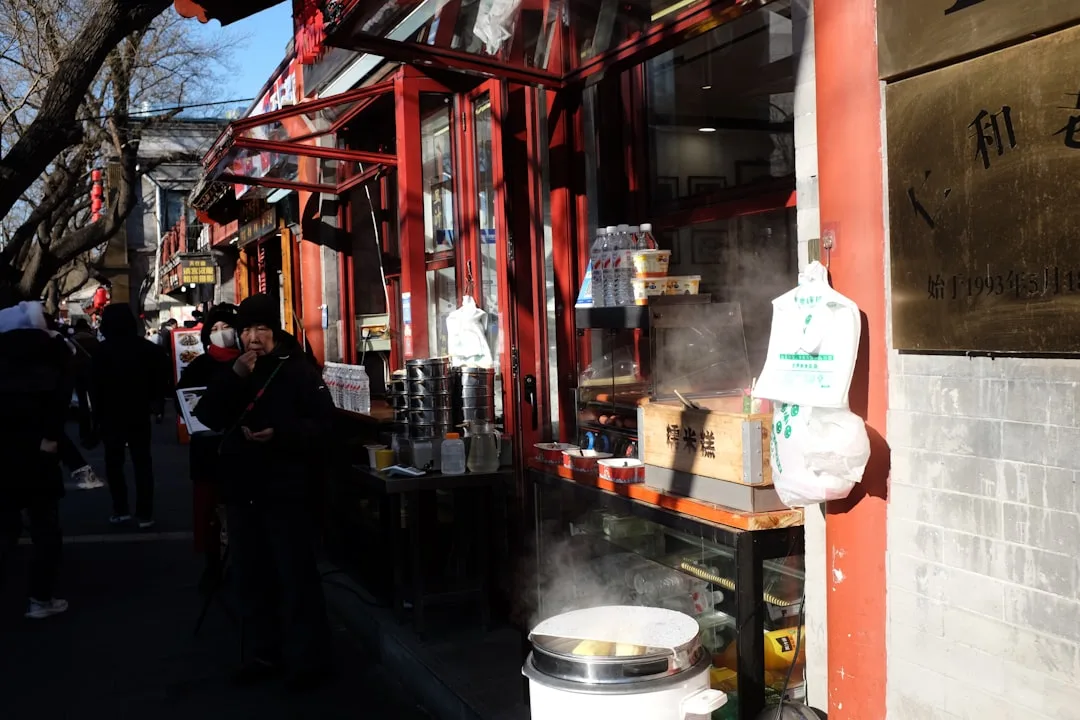
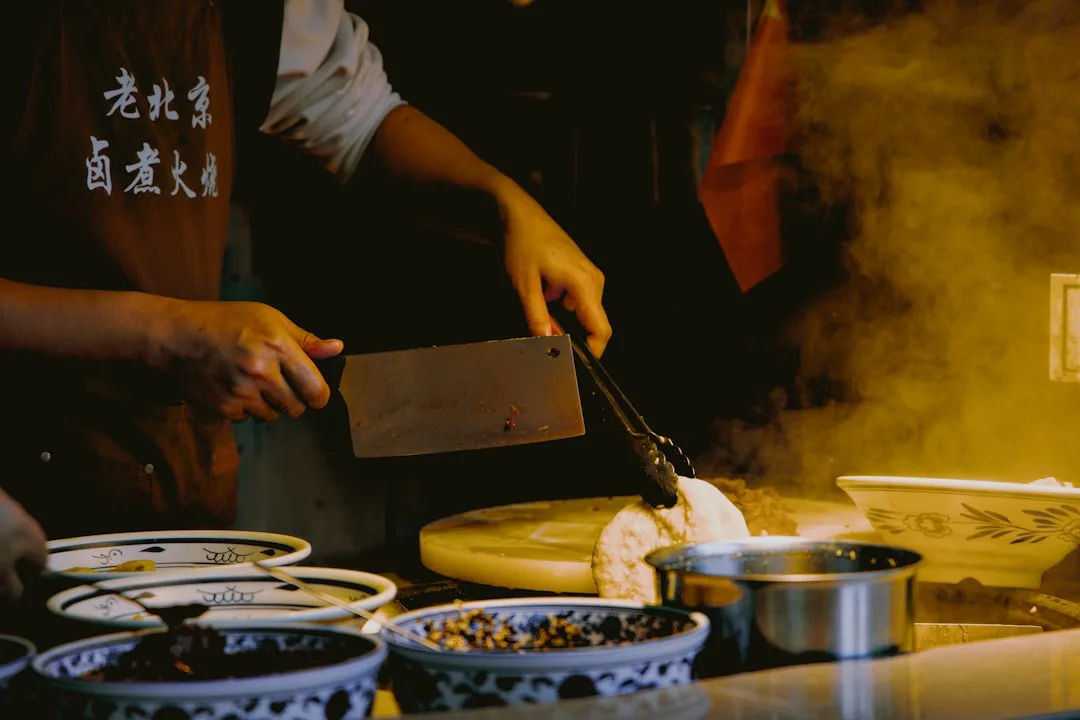
The first time you eat Pad Thai at a Bangkok street stand in the Phahurat district, you’ll understand that cooking is not a silent affair. The wok roars like an instrument. Two minutes of heat, a movement of the vendor’s hand, and the plate is yours. Three euros. This informal food culture is not romantic. It is necessary. In a city of eight million people with jobs spread across the metropolis, generations have developed an ecology of standing and eating: workers, students, businesspeople eat fast, cheap, well.
That is street food as it lives. Not designed for Instagram, not curated for tourists, but the daily sustenance of a city. And precisely this ordinary food reveals more about a place than any hotel dinner could. The statistics confirm what travelers already know: 64 percent say food is central to their travel satisfaction. More than that: 54 percent now choose their destinations based on the culinary opportunities waiting there.
Where authentic street food thrives
Bangkok leads every list, and for good reason. It sets the standard for street food culture. Not only Pad Thai, but also Seng, a kind of communal soup-stew, and Mango Sticky Rice from vendors whose recipes have remained unchanged for three decades. Mexico City is the second epicenter. It is not about tacos — it is about Birria tacos, those deep red parcels soaked in beef and lamb broth, eaten with bare hands, tasting different in every working-class neighborhood because every vendor guards their spice mixture.
George Town on Penang Island earned two UNESCO distinctions: World Heritage status for its architecture and Creative City status for its gastronomy. This is rare. Chinese, Malay, and Indian street cultures mix so naturally here that we do not speak of fusion but of daily life. Char Kway Teow, the stir-fried rice noodles, exists in twenty variations because twenty cooks do it differently, each with their own story.
Hanoi has moved beyond Banh Mi. The true heartbeat of Hanoi’s food identity pulses in the Old Quarter, where each alley owns a dish: one street for Cha Ca (turmeric fish), one for Sup Cua (crab soup), one for Hu Tieu (rice noodle soup). This works because families here have cooked the same dish for generations. The difference is not in the recipe — it is in the hand motion. The timing.
In China, Chengdu holds the distinction of being named Asia’s first UNESCO Gastronomy City in 2010. Hot pot culture dominates here, the Sichuan hotpot that is not merely food but ritual: done at the table, among friends, the broth bubbling. Street vendors sell Mapo Tofu and Kung Pao Chicken in containers meant to be carried.
Europe is often overlooked in this conversation. Yet San Sebastian in Spain has a density of Pintxos bars that challenges Barcelona for diversity. A Pintxo is a bite, a gesture, three euros. You do not order — you point. Each one carries continuity: some of these recipes are a century old. In Sarajevo, the street food is Ćevapi: grilled meat, a kind of meat roll, served in flatbread. A fireside dish that belongs here.
The craft hidden in simplicity
The texture tells you more than the price. Takoyaki in Osaka are not merely fried dough balls with octopus. The takoyaki master has refined his hand motion over twenty years. The pan must be exactly 190 degrees Celsius. The batter goes into the mold for three seconds, then the ball is turned with two toothpicks — not once, but three times. The octopus must be pre-cooked, but not too long. Only then do you get the texture: crispy outside, creamy inside, the octopus with still a bit of bite.
This is less about recipe than about continuity. The woman running an Arancini stand in Naples learned the trade from her mother. The man selling Empanadas in Salta uses the same spice blend his family used fifty years ago. These dishes are not artistic — they have grown.
Women are the heart of this cuisine. Women run most of the street stands in Bangkok, Hanoi, Mexico City. They are often mothers supporting their families, sometimes entrepreneurs who have refined their recipes over decades and employ dozens of workers. When you buy street food, you invest in the local economy. The money stays in the neighborhood. That is sustainable tourism without platforms, without intermediaries.
Eat safely, travel right
Some advice about eating on the street is nonsense. “Only eat where locals eat” — of course. But better yet: observe. A successful street stand has turnover. The ingredients are fresh because they are restocked daily. A cooking utensil unwashed for three hours is not a sign of authenticity but of poor hygiene.
Some destinations have higher concentrations of vendors in their market halls: the Surquillo Market in Lima, Peru, Chatuchak Weekend Market in Bangkok, Pudu Market in Kuala Lumpur. Here turnover is high, standards sharper. Not because tourists shop there, but because workers do.
Language barriers are not a problem. Point. Smile. Observe what others order. A Banh Mi costs the same everywhere because the market price is objective. There are no “tourist prices” at genuine street stands because the vendor is not setting the price — the market is.
Culinary tours have their place — some are excellent. Culinary Backstreets, for instance, works in 29 cities with local guides who know their neighborhoods like no tour operator can. Such tours cost between $125 and $195 per person (approximately €115–180, June 2026). Multi-day journeys can cost two to four times more. But they provide context that you cannot find alone.
The truth that food tells
Therein lies the continuity: street food is not exotic. It is what a place is. The dishes did not develop quickly. They are the result of resources, climate, history, migration. The Banh Mi in Hanoi is a French-Vietnamese sandwich hybrid because France was there. The Ćevapi in Sarajevo is Ottoman heritage. The Empanada in Argentina comes from Spain but has been localized, with regional meats and regional spices.
When you eat these dishes, you are reading the history of a place. Not as romance, but as fact. Street food is democratic — anyone can buy it, regardless of wealth. It is sustainable — it uses little energy, minimal packaging, no long supply chains. It supports local people, often women, who pass their craft forward.
The next time you travel, you will feel it. Not at the sunset dinner with a harbor view, but standing at a street corner where someone has cooked the same soup for twenty years. That is real travel. That is food that speaks.